Food Poisoning: Symptoms, Causes, Treatment, and When to See a Doctor
What Is Food Poisoning?
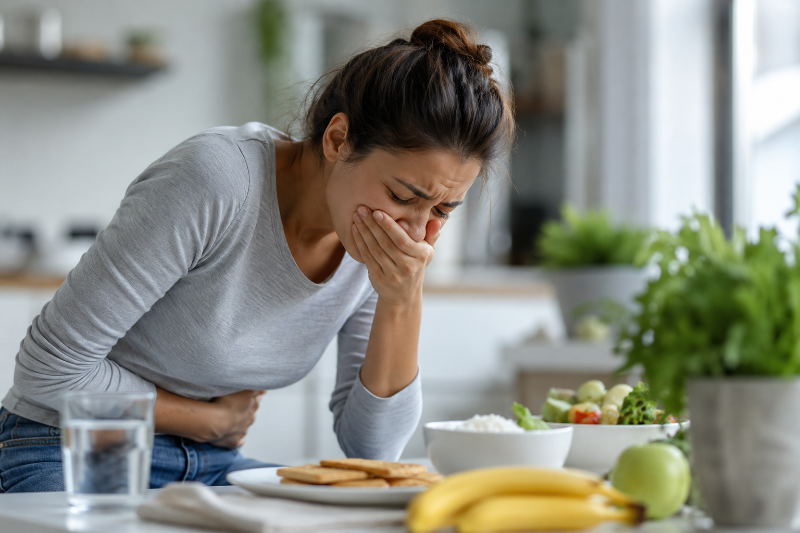
Food poisoning is a digestive illness caused by eating or drinking food contaminated with harmful bacteria, viruses, parasites, or toxins produced by microorganisms. Once these pathogens enter the digestive system, they irritate the lining of the stomach and intestines, leading to symptoms such as nausea, vomiting, diarrhea, and abdominal pain.
The severity of food poisoning varies depending on the type of contaminant, the amount consumed, and the individual's overall health. While many people recover within 24 to 72 hours, severe infections may require hospitalization and specialized treatment.
Food Poisoning Symptoms
Food poisoning symptoms can vary depending on the organism responsible for the infection and the amount of contaminated food consumed. Symptoms often appear within a few hours after eating, although some infections may take several days before signs develop.
The most common symptoms include:
Nausea and Vomiting
Persistent nausea and repeated vomiting are often the earliest symptoms. These are natural defense mechanisms that help the body eliminate harmful organisms or toxins from the stomach.
Diarrhea
Diarrhea may be watery or, in more severe cases, contain blood. Frequent diarrhea can quickly lead to dehydration and electrolyte imbalance if fluids are not replaced.
Abdominal Pain and Stomach Cramps
Inflammation of the digestive tract can cause cramping, bloating, and varying degrees of abdominal pain, ranging from mild discomfort to severe spasms.
Fever
A fever may develop, particularly with bacterial or viral infections, as the immune system responds to the invading microorganisms.
Fatigue and Weakness
Loss of fluids and electrolytes from vomiting and diarrhea often results in tiredness, weakness, and reduced energy levels.
Headache and Dizziness
Dehydration and low blood pressure may cause headaches, dizziness, or lightheadedness, especially if fluid intake is inadequate.
Most cases improve within a few days with adequate hydration and rest. However, persistent symptoms, severe dehydration, high fever, or bloody diarrhea require prompt medical evaluation.
What Causes Food Poisoning?
Food poisoning occurs when food or beverages become contaminated with bacteria, viruses, parasites, or toxins. Contamination can happen during food production, transportation, storage, preparation, or serving, especially when food safety practices are not followed.
Common causes of food poisoning include:
- Salmonella
- Escherichia coli (E. coli)
- Norovirus
- Campylobacter
- Listeria
- Staphylococcus aureus toxins
The risk of food poisoning increases when consuming undercooked foods, drinking contaminated water, or handling food with poor hygiene.
Food Poisoning Causes in Adults
Although healthy adults generally have stronger immune systems, they can still develop food poisoning after consuming contaminated food.
Common causes include:
- Eating undercooked meat, poultry, or seafood.
- Consuming raw or undercooked eggs.
- Drinking unpasteurized milk or eating unpasteurized dairy products.
- Eating food prepared in places with poor hygiene standards.
- Leaving cooked food at room temperature for extended periods, allowing bacteria to multiply.
- Cross contamination caused by unwashed hands or contaminated cooking utensils.
Food Poisoning Causes in Children
Children are more vulnerable to food poisoning because their immune systems are still developing. They are also at greater risk of dehydration, making early recognition especially important.
Common causes include:
- Eating unwashed fruits and vegetables.
- Drinking unpasteurized milk or contaminated dairy products.
- Consuming improperly cooked or improperly stored food.
- Germ transmission through contaminated hands, particularly in schools and daycare centers.
- Using baby bottles or feeding utensils that have not been properly cleaned and sterilized.
Practicing good hygiene, washing hands thoroughly, cooking food to safe temperatures, and storing food correctly are essential steps to reduce the risk of food poisoning in both adults and children.
How Is Food Poisoning Diagnosed?
Doctors usually diagnose food poisoning based on your symptoms, medical history, and recent food intake. They may ask:
- When did your symptoms begin?
- What foods or drinks did you consume before becoming ill?
- Did anyone else who ate the same meal develop similar symptoms?
In mild cases, additional testing is often unnecessary because symptoms typically resolve within a few days.
However, if symptoms are severe, prolonged, or accompanied by bloody diarrhea, persistent fever, or signs of dehydration, your doctor may recommend additional tests, including:
Stool Test
A stool sample can identify bacteria, viruses, or parasites responsible for the infection.
Blood Tests
Blood tests help evaluate dehydration, electrolyte balance, inflammation, and possible complications.
Additional Diagnostic Tests
In selected cases, toxin testing or other specialized laboratory investigations may be necessary to identify the exact cause and determine the most appropriate treatment.
Food Poisoning Treatment
Treatment for food poisoning primarily focuses on relieving symptoms and preventing dehydration caused by vomiting and diarrhea. Most mild cases improve without antibiotics or prescription medications.
Treatment typically includes:
- Drinking plenty of fluids to replace lost water and electrolytes.
- Using oral rehydration solutions when recommended.
- Getting adequate rest while the body recovers.
- Gradually returning to easy to digest foods as symptoms improve.
If food poisoning is caused by a severe bacterial or parasitic infection, your doctor may prescribe antibiotics or antiparasitic medications based on laboratory results and the underlying cause.
Patients with severe dehydration, persistent vomiting, or complications may require intravenous (IV) fluids and hospital care.
Home Treatment for Food Poisoning
Most mild cases of food poisoning can be treated safely at home with supportive care. The primary goals are to prevent dehydration, relieve symptoms, and allow the digestive system to recover.
Follow these home care tips:
Stay Hydrated
Drink plenty of fluids throughout the day to replace the water and electrolytes lost through vomiting and diarrhea. Good options include:
- Water
- Oral rehydration solutions (ORS)
- Clear soups and vegetable broth
- Electrolyte replacement drinks (when appropriate)
Taking small, frequent sips is often easier if nausea is severe.
Return to Eating Gradually
Once vomiting has stopped, begin eating bland, easy to digest foods before returning to your normal diet. Suitable foods include:
- White rice
- Bananas
- Toast
- Applesauce
- Plain crackers
- Boiled potatoes
Eat small portions and increase your food intake gradually as your symptoms improve.
Avoid Foods That May Worsen Symptoms
Until your digestive system has fully recovered, avoid:
- Fatty or fried foods
- Spicy foods
- Dairy products
- Caffeinated beverages
- Alcohol
- Carbonated drinks
These foods and drinks may further irritate your stomach and intestines.
Get Plenty of Rest
Rest allows your immune system to fight the infection more effectively and supports faster recovery.
Avoid Self Medication
Do not take antibiotics or anti diarrhea medications without consulting a healthcare provider. Antibiotics are ineffective against viral infections and may not be appropriate for many cases of bacterial food poisoning. Likewise, anti diarrhea medications may prolong certain infections by preventing the body from eliminating harmful bacteria or toxins.
Seek medical care immediately if symptoms last for several days, dehydration develops, diarrhea becomes bloody, or a high fever occurs.
Food Poisoning Complications
The most common and serious complication of food poisoning is dehydration, which occurs when the body loses excessive amounts of water and electrolytes through persistent vomiting and diarrhea.
Although uncommon, certain bacterial infections can cause serious complications, including:
- Hemolytic Uremic Syndrome (HUS), a condition that can lead to kidney damage or kidney failure.
- Reactive arthritis, which may develop after some bacterial gastrointestinal infections.
Prompt diagnosis and treatment significantly reduce the risk of these complications.
When Should You See a Doctor for Food Poisoning?
Although most people recover from food poisoning within a few days, some symptoms require immediate medical evaluation.
Seek medical attention if you experience any of the following:
- Vomiting that continues for more than 24 to 48 hours or prevents you from keeping fluids down.
- Blood in your vomit or stool.
- A fever higher than 38.5°C (101.3°F), especially if accompanied by chills.
- Signs of severe dehydration, including extreme thirst, dry mouth, little or no urination, dizziness, confusion, or fainting.
- Diarrhea lasting longer than three days or becoming progressively worse.
- Food poisoning in young children, older adults, pregnant women, or people with weakened immune systems, as these groups are at a much higher risk of serious complications.
Early medical evaluation can help prevent severe dehydration and identify infections that require specific treatment.
How Can You Prevent Food Poisoning?
Most cases of food poisoning can be prevented by following proper food safety practices.
Wash Your Hands Thoroughly
Wash your hands with soap and water for at least 20 seconds before preparing food, after handling raw meat, and before eating.
Prevent Cross Contamination
Use separate cutting boards and utensils for raw meat, poultry, and seafood. Keep raw foods away from ready to eat foods.
Cook Food to Safe Temperatures
Cook meat, poultry, seafood, and eggs thoroughly to eliminate harmful bacteria and other pathogens.
Store Food Properly
Refrigerate cooked food and leftovers within two hours of preparation. Avoid leaving perishable foods at room temperature for extended periods.
Wash Fruits and Vegetables
Rinse fresh fruits and vegetables under running water before eating or cooking them, especially if they will be consumed raw.
Use Safe Drinking Water
Drink clean, safe water and avoid untreated water sources, particularly while traveling or in areas where water quality is uncertain.
Food poisoning is one of the most common digestive illnesses worldwide, but it is also largely preventable through proper food handling, cooking, and hygiene practices. Recognizing the early symptoms, staying hydrated, and seeking timely medical care when warning signs appear can help prevent serious complications. While most people recover completely within a few days, persistent symptoms, severe dehydration, bloody diarrhea, or high fever should never be ignored and require prompt medical evaluation.
If you still need a doctor’s consultation regarding this condition, you can easily book an appointment through Vezeeta.
Related Keywords


Specialized Doctors

Amira Gamea
Consultant in general internal medicine, diabetes and gastroenterology at Police Authority Hospitals

Ahmed El Gammal
Consultant of Internal Medicine and Diabetology

Saeed Mohamed Aid
Consultant And Professor of internal medicine,and nephrology-Faculty Of Medicine- Zagazig University.
References
https://www.cdc.gov/food-safety/signs-symptoms/index.html
https://www.who.int/news-room/fact-sheets/detail/food-safety
https://www.mayoclinic.org/diseases-conditions/food-poisoning/symptoms-causes/syc-20356230
https://www.mayoclinic.org/diseases-conditions/food-poisoning/diagnosis-treatment/drc-20356236
https://my.clevelandclinic.org/health/diseases/21167-food-poisoning
https://www.nhsinform.scot/illnesses-and-conditions/infections-and-poisoning/food-poisoning/
Specialized Doctors
Amira Gamea
Consultant in general internal medicine, diabetes and gastroenterology at Police Authority Hospitals
Ahmed El Gammal
Consultant of Internal Medicine and Diabetology
Saeed Mohamed Aid
Consultant And Professor of internal medicine,and nephrology-Faculty Of Medicine- Zagazig University.