Causes, Symptoms, and Treatment of Proteinuria (Protein in Urine)
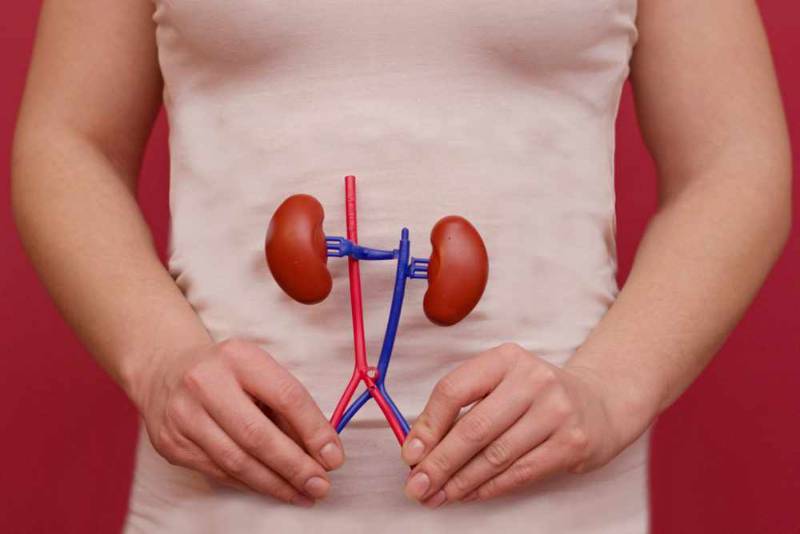
Kidney diseases cause a range of symptoms and complications that affect a patient’s overall health. One of the most common signs is the presence of proteinuria, which occurs when essential proteins meant for body building leak into the urine.
But what causes proteinuria? What are its symptoms? Can it be cured? And how is it treated? Let’s explore all of that below.
What is Proteinuria?
Proteinuria is a medical term that refers to the presence of high levels of protein in the urine. It is often a sign of kidney dysfunction or reduced efficiency.
The kidneys are responsible for filtering toxins and waste products from the blood through structures called glomeruli, which are tiny blood vessels that prevent large molecules like proteins from leaking into the urine. They also reabsorb proteins back into the bloodstream for reuse in body building.
When the kidneys are damaged or not functioning properly, proteins may escape into the urine.
Proteinuria can affect people of all ages, but the risk increases significantly in individuals over 65 years old, especially those with underlying health conditions that impact kidney function.
What are Symptoms of Proteinuria?
Since proteinuria is a symptom of chronic kidney disease, its signs are closely associated with kidney-related issues, including:
- Shortness of breath
- Loss of appetite
- Swelling in the feet, ankles, abdomen, and face
- Foamy urine
- Nausea and vomiting
- Puffiness around the eyes
- Muscle cramps, especially at night
- Frequent urination
- Fatigue and exhaustion
- High blood pressure
What are Causes of Proteinuria?
Causes vary depending on the individual. Some experience temporary proteinuria, which resolves when the underlying cause is treated. Others suffer from chronic or recurrent proteinuria, usually associated with long-term kidney issues.
Temporary Causes of Proteinuria
Temporary proteinuria may result from:
1. Preeclampsia (Pregnancy-induced hypertension):
High blood pressure during pregnancy can reduce the kidneys’ ability to reabsorb and filter proteins, causing them to appear in urine.
2. Dehydration:
A lack of body fluids hampers the delivery of nutrients, including proteins, to the kidneys, reducing their ability to retain proteins.
Common dehydration triggers include:
- Excessive sweating
- Chronic diarrhea
- Repeated vomiting
- High fever
- Insufficient fluid intake
Other possible temporary causes include:
- Overproduction of certain proteins
- Urinary tract infections
Chronic or Recurrent Causes of Proteinuria
Proteinuria may result from the following conditions:
1. High Blood Pressure:
Hypertension weakens kidney blood vessels, impairing their ability to retain proteins. Symptoms may include headaches and nosebleeds.
2. Diabetes:
Elevated blood sugar puts stress on the kidneys as they try to excrete the excess sugar, eventually causing damage and protein leakage.
3. Chronic Kidney Diseases:
Heart disease and polycystic kidney disease may impair kidney function, leading to proteinuria.
4. Cancer:
Some cancers, such as breast, kidney, and lung cancer, can be associated with proteinuria.
5. Glomerulonephritis:
This is inflammation of the glomeruli, which can lead to protein leakage. It’s a common cause of swelling in the legs and feet.
6. Autoimmune Diseases:
Conditions like lupus and IgA nephropathy affect the glomeruli’s ability to function properly.
7. Tubular Kidney Disorders:
These affect the kidney tubules' ability to process and reabsorb substances.
How is Proteinuria Diagnosed?
Urine testing is the primary method used to detect and measure protein levels in urine. The diagnosis typically involves two steps:
- Dipstick Test:
- A chemically treated strip is dipped into a urine sample. A color change indicates elevated protein levels. This is done in the doctor’s office.
- Laboratory Analysis:
- The urine sample is sent to a lab to detect other substances like white blood cells or bacteria.
If proteinuria is confirmed, your doctor may recommend further tests to determine its cause and severity:
- Repeated urine tests: Conducted monthly for 3 months to rule out temporary causes.
- 24-hour urine collection: Multiple samples are collected throughout the day to examine protein levels under a microscope.
- Imaging: CT scans or ultrasound help assess the kidneys and urinary tract.
- Creatinine clearance test: Measures creatinine levels (a waste product) to assess kidney efficiency.
- Glomerular filtration rate (GFR): Evaluates how well the glomeruli are filtering proteins.
- Kidney biopsy: A small tissue sample is examined to assess damage.
What is theTreatment of Proteinuria?
Treatment depends on the underlying cause and whether the condition is temporary or chronic. In mild or temporary cases, medication may not be needed.
Management strategies may include:
- Blood pressure medications: For proteinuria caused by hypertension.
- Diabetes medications: To control high blood sugar levels.
- Monitoring and treating gestational hypertension: Medications may be prescribed, and blood pressure usually normalizes after delivery.
- Dialysis: In severe cases of kidney disease.
Lifestyle and preventive measures:
- Eat a healthy diet rich in fiber, vitamins, and minerals, while reducing fat and salt intake.
- Avoid non-steroidal anti-inflammatory drugs (NSAIDs) without consulting a doctor.
- Lose excess weight.
- Exercise regularly.
- Avoid smoking and alcohol.
Is Proteinuria Dangerous?
Protein in the urine is often an early warning sign of kidney damage. Timely diagnosis and treatment can slow down the progression of kidney disease and help prevent serious complications.
However, neglecting treatment can worsen kidney damage and eventually affect other organs in the body.
Conclusion
Proteinuria indicates damage to the kidney tissue, which may be temporary or permanent. Identifying and treating the underlying cause is essential for slowing down kidney deterioration and minimizing the risk of serious complications.
If you still need to consult a doctor regarding this condition, you can easily book an appointment through Vezeeta
Related Keywords
Specialized Doctors

essam abdelwahab
Consultant of Urology, Nephrology, Andrology and Infertility - Ain Shams Medicine

MAGED MANSY
Consultant of Urology Surgery

Hany El Bahr
Consultant Urology, Andrology and Infertility Surgery - Ain Shams University
References
Mayo Clinic. Protein in urine (proteinuria): Symptoms and causes.
Retrieved from: https://www.mayoclinic.org/symptoms/protein-in-urine/basics/definition/sym-20050656
National Kidney Foundation (NKF). Protein in urine (proteinuria).
Available at: https://www.kidney.org/atoz/content/proteinuria
Cleveland Clinic. Protein in urine (proteinuria): Causes, symptoms & treatment.
Retrieved from: https://my.clevelandclinic.org/health/diseases/16428-proteinuria
National Institute of Diabetes and Digestive and Kidney Diseases (NIDDK). Proteinuria: What it means and how it’s treated.
Available at: https://www.niddk.nih.gov/health-information/kidney-disease/children/proteinuria
Johns Hopkins Medicine. Protein in urine (proteinuria).
Retrieved from: https://www.hopkinsmedicine.org/health/conditions-and-diseases/protein-in-urine
MedlinePlus – U.S. National Library of Medicine. Protein in urine.
Available at: https://medlineplus.gov/ency/article/003580.htm
National Health Service (NHS, UK). Protein in urine.
Retrieved from: https://www.nhs.uk/conditions/protein-in-urine/
World Health Organization (WHO). Chronic kidney disease and related conditions.
Available at: https://www.who.int/news-room/fact-sheets/detail/chronic-kidney-disease
Specialized Doctors
essam abdelwahab
Consultant of Urology, Nephrology, Andrology and Infertility - Ain Shams Medicine
MAGED MANSY
Consultant of Urology Surgery
Hany El Bahr
Consultant Urology, Andrology and Infertility Surgery - Ain Shams University