Causes, symptoms, and complications of insulin resistance
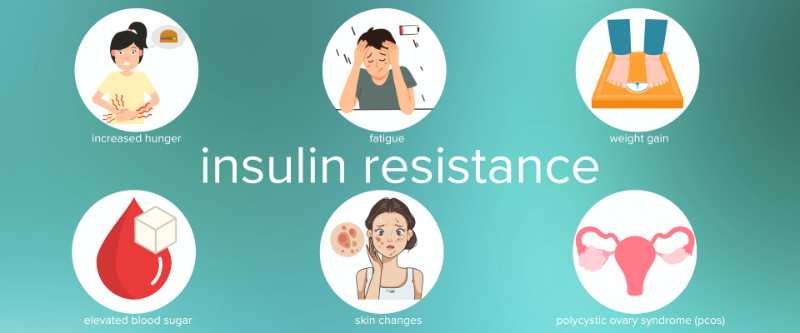
Insulin resistance is a warning sign indicating the need for urgent action to prevent the development of chronic diabetes. Ignoring these symptoms and their causes can lead to serious health complications.
In this article, you will learn about the symptoms, risks, causes, and prevention methods of insulin resistance, as well as its severe consequences.
What is Insulin Resistance?
Insulin resistance occurs when muscle cells, fat cells, and liver cells resist glucose uptake. The pancreas secretes insulin, a hormone responsible for transporting glucose from the bloodstream into cells to be used as energy for the body’s various functions.
The pancreas continues to secrete insulin until normal blood sugar levels are reached. Then, the brain sends electrical signals to the pancreas to stop insulin secretion. If any step in this mechanism malfunctions, it causes elevated blood sugar levels and various health issues.
What are Symptoms of Insulin Resistance?
Symptoms vary between men and women and depend on blood sugar levels. Some people may show no obvious symptoms while the pancreas compensates by secreting more insulin to overcome resistance, maintaining normal glucose levels.
However, pancreatic cells may eventually become overworked and damaged, leading to decreased insulin secretion and increased blood sugar levels. Symptoms usually appear when a patient reaches the prediabetic stage or is diagnosed with diabetes.
What are Symptoms in Men and Women?
- Increased hunger
- Excessive thirst
- Frequent urination
- Headaches
- Vision problems, such as blurred vision or progression to retinopathy
- Delayed wound healing
- Skin or vaginal infections
- Weight gain, especially increased waist circumference
- High blood pressure
- Small skin bumps
- Dark patches on the back, armpits, or sides of the neck
What are Symptoms in Children?
Children’s symptoms are similar to adults but may be more pronounced, increasing the risk of type 2 diabetes. They include:
- Frequent urination due to smaller bladder capacity
- Increased thirst and hunger
- Rapid vision impairment
- Overweight
- High blood pressure
- Sleep apnea
What are Causes of Insulin Resistance?
Insulin resistance can be caused by hormonal, genetic, or acquired environmental factors.
When cells resist glucose entry, this is insulin resistance — a failure of insulin’s main role, leading to high blood sugar and diabetes.
Hormonal Causes
- Hypothyroidism: Low thyroxine slows glucose metabolism, increasing resistance.
- Cushing’s syndrome: Excess cortisol raises blood glucose, interfering with insulin.
- Acromegaly: High growth hormone increases glucose production, worsening resistance.
- Gestational diabetes: Hormones from the placenta increase resistance; usually resolves after childbirth.
Genetic Causes
Genetics can significantly affect insulin resistance, especially with a family history of diabetes. Though rare, genetic insulin resistance syndromes include:
- Type A insulin resistance syndrome
- Donohue syndrome
- Muscular dystrophy
- Rabson-Mendenhall syndrome
- Alström syndrome
Acquired Causes
Environmental factors include:
- Diet: Processed foods and high-carb intake cause rapid glucose spikes, increasing insulin demand and resistance.
- Obesity: Fat accumulation, especially abdominal fat, increases inflammation and cell resistance.
- Physical inactivity: Leads to weight gain and decreased glucose consumption, worsening resistance.
- Medications: Some blood pressure, steroid, and psychiatric drugs increase resistance.
- Diseases: Polycystic ovary syndrome (PCOS), fatty liver disease, and sleep apnea contribute to resistance.
What are Normal Insulin Resistance Levels?
Insulin resistance is assessed via blood sugar levels. The HbA1c test measures glucose-bound hemoglobin:
- HbA1c below 5.7%: Normal resistance
- HbA1c between 5.7–6.4%: Elevated resistance, prediabetes stage
- HbA1c 6.5% or higher: Diabetes diagnosis
Blood glucose thresholds for prediabetes and diabetes are as follows:
| TestPrediabetesDiabetes | ||
| Fasting blood glucose (mg/dL) | 100–125 | ≥126 |
| Oral glucose tolerance test (mg/dL) | 140–199 | ≥200 |
| HbA1c (%) | 5.7–6.4 | ≥6.5 |
What is the Diagnosis of Insulin Resistance?
No single test diagnoses insulin resistance. Diagnosis depends on symptoms, medical history, and blood tests such as:
- Fasting blood glucose
- Oral glucose tolerance test
- HbA1c
- Full lipid profile
What is theTreatment Duration For Insulin Resistance?
Treatment duration varies based on severity and cause. Lifestyle changes are critical and include:
- Weight loss to reduce diabetes risk
- Healthy diet with limited carbs
- Regular physical activity to enhance glucose use and insulin sensitivity
What are the Medications For Insulin Resistance?
Treatment targets underlying causes, including:
- Blood pressure medications
- Cholesterol-lowering drugs
- Diabetes treatments
What are the Herbal Supplements For Insulin Resistance?
Some herbs may improve insulin sensitivity, including:
- Cinnamon
- Garlic
- Ginger
- Turmeric
- Cumin
- Rosemary
- Oregano
- Basil
- Dill
- Fennel
- Nutmeg
- Green tea
What are Signs of Improvement For Insulin Resistance?
Signs vary by individual but often include:
- Reduced hunger and thirst
- Decreased urination frequency
- Improved breathing
What are Complications of Insulin Resistance?
Unchecked insulin resistance may cause:
- Kidney disease
- Vision problems
- Severe blood sugar fluctuations
- Alzheimer’s disease
- Cancer
- Stroke
- Heart failure
In conclusion, obesity and other factors significantly increase insulin resistance, which can manifest in symptoms that warn of diabetes. Early attention and proper measures are essential to prevent progression to diabetes and its complications.
If you still need to consult a doctor regarding this condition, you can easily book an appointment through Vezeeta
Related Keywords
Specialized Doctors

Hesham Elborolossy
Professor of Internal Medicine, Diabetes, Endocrinology and Vascular Medicineat Kasr Al-Ainy - Cairo University

Mohamed Hassan
Consultant in general internal medicine, diabetes, endocrinology and digestive system diseases - Ain Shams Medicine

Amal Nada
Professor And Senior Consultant For Diabetes And Endocrinology At The Faculty Of Medicine/Fellow of the Royal College of Physicians in Ednera - holds a British certificate in Endocrinology and Diabetes
References
Mayo Clinic – Insulin Resistance: Symptoms and Causes
https://www.mayoclinic.org/diseases-conditions/insulin-resistance
Centers for Disease Control and Prevention (CDC) – Insulin Resistance and Prediabetes
https://www.cdc.gov/diabetes/basics/insulin-resistance.html
National Institute of Diabetes and Digestive and Kidney Diseases (NIDDK) – Insulin Resistance and Prediabetes
https://www.niddk.nih.gov/health-information/diabetes/overview/what-is-diabetes/prediabetes-insulin-resistance
Cleveland Clinic – Insulin Resistance: Causes, Symptoms, Tests & Treatment
https://my.clevelandclinic.org/health/diseases/22206-insulin-resistance
Harvard T.H. Chan School of Public Health – Insulin and Insulin Resistance
https://www.hsph.harvard.edu/nutritionsource/insulin-and-insulin-resistance/
Specialized Doctors
Hesham Elborolossy
Professor of Internal Medicine, Diabetes, Endocrinology and Vascular Medicineat Kasr Al-Ainy - Cairo University
Mohamed Hassan
Consultant in general internal medicine, diabetes, endocrinology and digestive system diseases - Ain Shams Medicine
Amal Nada
Professor And Senior Consultant For Diabetes And Endocrinology At The Faculty Of Medicine/Fellow of the Royal College of Physicians in Ednera - holds a British certificate in Endocrinology and Diabetes