Anorexia Nervosa and the Struggle for Thinness
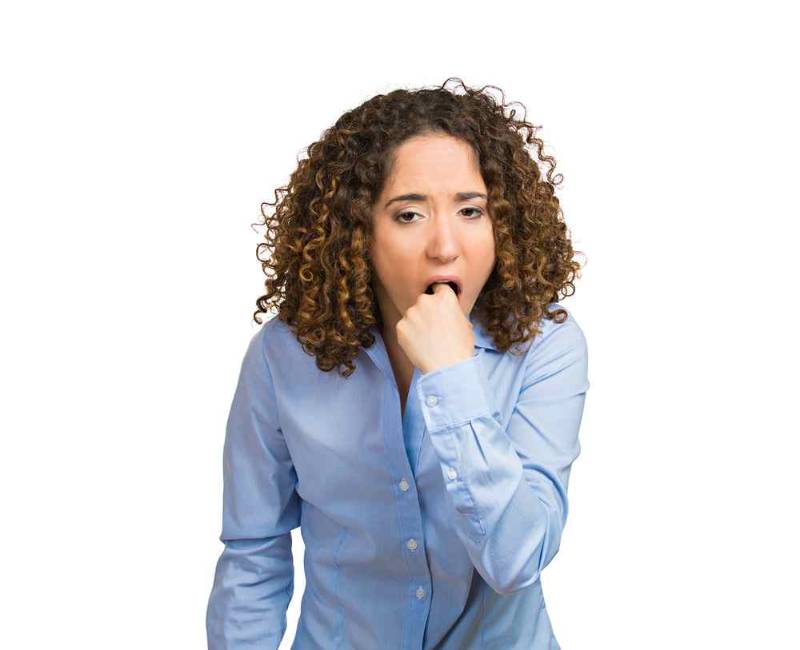
pursue any method to prevent weight gain—regardless of the consequences. When this behavior turns into a disorder, it is known as anorexia nervosa.
In this article, we provide a comprehensive guide to anorexia nervosa, including its causes, symptoms, related conditions that lead to appetite loss, and how it can be treated—along with a breakdown of the harmful misconceptions surrounding it.
What Is Anorexia Nervosa?
Anorexia nervosa is an eating disorder in which a person either loses the desire to eat or deliberately avoids food to prevent weight gain. It affects approximately 9% of people worldwide.
Individuals with anorexia nervosa make extreme efforts to limit food intake to control calorie consumption. In some cases, they may purge after eating by inducing vomiting, using laxatives, diuretics, enemas, or performing excessive physical exercise.
This condition is especially common among adolescent girls and women in general, with a prevalence of about 0.3% of the population, or 1–2% of individuals.
Importantly, anorexia is not simply about food—it is a psychological issue, where the individual’s self-worth and identity become tied to their body weight.
What Are the Symptoms of Anorexia Nervosa?
Thinness varies from person to person, which can make it difficult to recognize the symptoms. Many of the physical signs of anorexia resemble those of starvation, while behavioral and emotional signs also emerge.
Physical Symptoms include:
- Fatigue
- Insomnia
- Extreme thinness
- Bluish fingers
- Dry or yellowish skin
- Dizziness or fainting
- Brittle or thinning hair
- Constipation
- Cold intolerance
- Low blood pressure
- Swelling in limbs
- Changes in blood composition
- Significant weight loss or failure to gain weight with age
- Tooth erosion from repeated vomiting
- Irregular heartbeat
There are two types of anorexia nervosa:
- Restrictive type – focused on limiting food intake severely.
- Binge-purge type – involves eating large amounts followed by purging.
Behavioral and Psychological Symptoms include:
- Excessive calorie restriction
- Overexercising
- Inducing vomiting or using weight-loss medications
- Avoiding eating in public
- Lying about food intake
- Skipping meals or refusing to eat
- Denying hunger
- Making excuses to avoid meals
- Weighing oneself excessively
- Complaining about fat despite being underweight
- Preparing elaborate meals for others without eating
- Chewing food and spitting it out
What Causes Anorexia and Appetite Loss?
While the exact causes remain unknown, anorexia nervosa likely results from a combination of genetic, psychological, and environmental factors:
- Genetics: Family history of perfectionism or persistence may increase the risk.
- Environmental Factors: Media and cultural ideals that equate thinness with beauty raise the risk in adolescents and young adults.
- Psychological Factors: Conditions like obsessive-compulsive disorder (OCD), stress, or anxiety can make it easier to develop strict eating patterns.
Risk Factors for Teens and Adolescents:
- Life transitions: Events such as loss of a loved one, changing schools, or moving house may trigger anorexia.
- Dieting and starvation: Starving the body affects brain chemicals, leading to mood changes and loss of appetite.
- Family history: A relative with an eating disorder increases one’s risk.
What are Causes in Children and Infants?
In Children:
- Developmental delays
- Genetics
- Neurochemical imbalances
- Bullying about body image
- Anxiety disorders
- Growing up in overly strict or controlling households
In Infants (6–36 months):
Infants may refuse food as a means to assert independence or seek attention from the mother. This power struggle can lead to disrupted hunger cues and hinder growth.
How Is Anorexia Nervosa Diagnosed?
Since anorexia symptoms can mimic those of general hunger or other conditions, medical evaluation is essential. A diagnosis involves:
- Physical Examination:
- Vital signs
- Height and weight
- Skin and nail inspection
- Blood pressure and heart rate
- Abdominal examination
- Lab Tests:
- Blood work (liver and kidney function)
- Urinalysis
- Psychological Evaluation:
- Assessing beliefs, behaviors, and emotional state
- Imaging:
- Bone density scans or ECG to detect heart irregularities
How Is Anorexia Nervosa Treated?
Treating anorexia requires collaboration between nutrition specialists and mental health professionals:
- Dietitian’s Role: Create a tailored meal plan and calorie intake target to restore healthy weight.
- Psychologist’s Role: Help manage the underlying psychological symptoms.
What are Treatment Challenges?
- Fear of weight gain
- Belief that treatment isn’t necessary
- Misconception that anorexia is a lifestyle choice rather than a disorder
Treatment Options:
1. Psychotherapy
This includes:
- Cognitive Behavioral Therapy (CBT):
- Helps the patient rebuild a healthy eating pattern and challenge harmful beliefs about weight and body image.
- Family-Based Therapy (FBT):
- Especially important for teens, this helps parents support healthy eating and recovery.
2. At-Home Support
- Avoid frequent body checking or weighing
- Seek support from loved ones—don’t isolate
- Take physician-recommended supplements like vitamin D or iron
- Attend all therapy sessions and stick to treatment plans
When Is Anorexia Dangerous?
Anorexia nervosa can cause life-threatening complications, such as:
- Osteoporosis and bone fractures
- Anemia
- Hormonal imbalance and missed periods
- Kidney damage
- Muscle weakness
- Low testosterone in men
- Digestive issues: nausea, bloating, constipation
- Brain damage from malnutrition
- Irregular heartbeat and heart failure
Mental Health Risks Include:
- Substance abuse
- Depression
- Personality disorders
- Self-harm
- Suicidal thoughts or attempts
- Obsessive-compulsive disorder (OCD)
In Conclusion:
Anorexia nervosa is more than just an eating disorder—it’s a daily struggle between the mind and the plate. Equip yourself with the right tools and support to break free from false beliefs about body image and regain control of your life and health.
If you still need to consult a doctor regarding this condition, you can easily book an appointment through Vezeeta
Related Keywords



References
American Psychiatric Association. (2013). Diagnostic and statistical manual of mental disorders (5th ed.). Washington, DC: Author.
National Institute of Mental Health (NIMH). (2023). Eating Disorders: About More Than Food. Retrieved from https://www.nimh.nih.gov/
Mayo Clinic. (2024). Anorexia Nervosa. Retrieved from https://www.mayoclinic.org/
National Eating Disorders Association (NEDA). (2024). Anorexia Nervosa. Retrieved from https://www.nationaleatingdisorders.org/
World Health Organization (WHO). (2023). Mental health and eating disorders. Retrieved from https://www.who.int/