Causes of High Creatinine Levels in the Blood and Its Symptoms
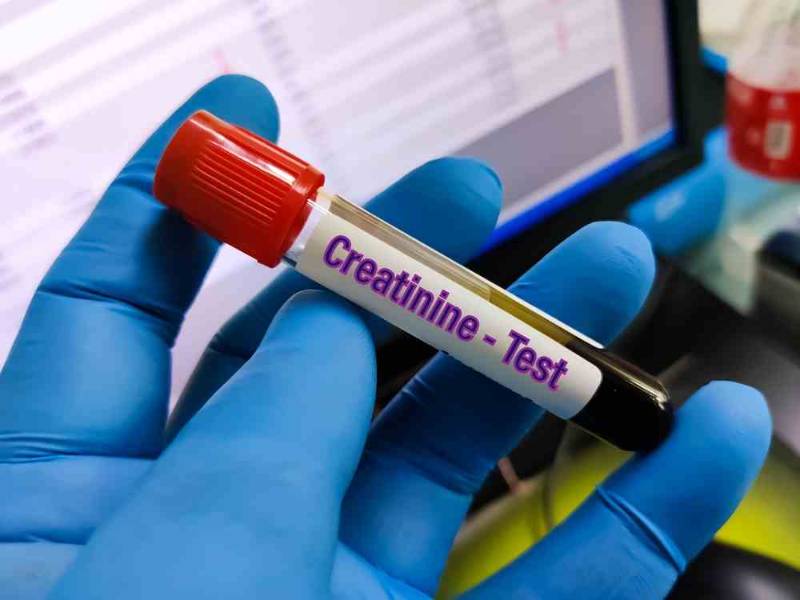
The human body operates through an exceptionally precise filtration system, with the kidneys playing a central role in removing waste products generated by vital metabolic processes. Creatinine is one of the most important of these waste substances, produced daily and naturally from the breakdown of muscle proteins. When creatinine levels rise, it often represents a silent signal from the kidneys that they are no longer functioning at full efficiency. Understanding what laboratory tests reveal about creatinine levels is essential for gaining insight into overall health.
What Is Creatinine?
Creatinine is a chemical waste product produced by muscle metabolism. It travels through the bloodstream to the kidneys, where it is filtered and excreted from the body in urine. Because muscle mass remains relatively stable on a daily basis, creatinine production is also fairly constant, making it an ideal marker for evaluating how well the kidneys are functioning.
What Is the Normal Creatinine Level in the Blood?
Normal creatinine levels vary depending on several factors, including age, sex, and muscle mass. In general, normal ranges are:
- Men: Approximately 0.7 to 1.3 mg/dL, due to greater muscle mass
- Women: Around 0.6 to 1.1 mg/dL
- Children: Lower levels that depend on physical growth and development
What Are Dangerous Creatinine Levels?
Creatinine levels exceeding 1.5–2.0 mg/dL in adults may indicate impaired kidney function and require medical follow-up.
If levels reach 5.0 mg/dL or higher, this may suggest acute or chronic kidney failure and often requires immediate medical intervention, such as dialysis.
Symptoms of High Creatinine Levels
Mild elevations may not cause noticeable symptoms. However, as kidney function declines, the following symptoms may appear:
- Changes in urination: Increased frequency or significantly reduced urine output
- Body swelling: Especially in the feet, ankles, or around the eyes due to fluid retention
- Severe fatigue: Persistent tiredness and difficulty concentrating
- Nausea and vomiting: Caused by toxin buildup in the bloodstream
- Shortness of breath: Resulting from fluid accumulation in the lungs
Symptoms of Low Creatinine Levels
Low creatinine levels are rarely a serious medical concern and are often associated with:
- Reduced muscle mass: Due to aging or muscle-wasting conditions
- Poor nutrition: Especially low protein intake
- Pregnancy: Increased kidney filtration during pregnancy lowers creatinine levels
Causes of High Blood Creatinine
Creatinine levels may rise due to temporary lifestyle factors or chronic medical conditions.
Lifestyle-Related Causes
- Severe dehydration: Concentrates creatinine in the blood
- Intense physical activity: Increases muscle breakdown temporarily
- Diet: High intake of protein or red meat
Medical Causes
- Kidney infections: Bacterial inflammation of kidney tissue
- Glomerulonephritis: Damage to the kidney’s filtering units
- Drug toxicity: Certain medications, such as painkillers and antibiotics, can harm the kidneys if misused
- Urinary tract obstruction: Kidney stones or enlarged prostate preventing urine flow
- Kidney failure: Acute due to sudden injury or chronic due to long-term disease
Other Diseases That Affect Kidney Function
Systemic diseases are among the greatest threats to kidney health:
- Diabetes: Persistent high blood sugar damages small blood vessels in the kidneys
- High blood pressure: Places excessive strain on kidney filters, leading to scarring and functional decline
How Are Kidney Diseases Diagnosed?
Doctors rely on a combination of tests rather than a single value to assess kidney health:
- Serum Creatinine Test: A simple blood test measuring current creatinine levels
- Blood Urea Nitrogen (BUN): Measures urea levels and helps distinguish kidney disease from dehydration
- Creatinine Clearance Test: Requires 24-hour urine collection to assess kidney filtration accuracy
- Glomerular Filtration Rate (GFR): The most important indicator, calculated using creatinine, age, and sex to determine kidney function stage
What Is a Serum Creatinine Test?
The serum creatinine test serves as a mirror reflecting kidney performance by precisely measuring daily creatinine waste produced by muscles. Under normal conditions, healthy kidneys eliminate this substance efficiently. Elevated levels in the blood signal reduced filtration capacity and prompt physicians to investigate the underlying cause.
How Can Creatinine Levels Be Lowered?
Treatment focuses on addressing the root cause rather than the number itself:
- Managing chronic conditions: Strict control of blood sugar and blood pressure
- Medication review: Adjusting or replacing kidney-straining drugs under medical supervision
- Dietary changes: Reducing salt and excessive protein intake
- Adequate hydration: Maintaining balanced fluid intake to support filtration
Medications for High Creatinine Levels
Treatment depends on the cause of elevation:
- Antibiotics for kidney infections
- Blood pressure control for hypertension-related kidney damage
- Discontinuing harmful supplements or medications, such as creatine products, after consulting a physician
Conclusion
The kidneys are the silent guardians of your health, and creatinine levels are the message that reveals how effectively they are performing this role. Early detection of kidney dysfunction is not a cause for fear, but rather an opportunity to take proactive steps through lifestyle adjustments, proper hydration, and medical follow-up. Regular checkups and understanding your lab results remain the first line of defense against complications and are essential for maintaining long-term health and stability.
If you still need to consult a doctor regarding this condition, you can easily book an appointment through Vezeeta.
Related Keywords

What Are the Signs of a Diabetic Coma and How Can You Save Someone in Time?

Do you experience sudden pain in your side? Learn about the symptoms of kidney stones and how to get rid of them.

What is blood pressure, and what are the silent dangers that may threaten your health without you even realizing it?


References
- https://www.kidney.org/atoz/content/gfr
- https://www.google.com/search?q=https://www.webmd.com/a-to-z-guides/creatinine-test
- https://www.google.com/search?q=https://www.healthline.com/health/creatinine-blood-test
- https://www.google.com/search?q=https://my.clevelandclinic.org/health/diagnostics/16879-creatinine-test
- https://www.mayoclinic.org/tests-procedures/creatinine-test/about/pac-20384646