Can Tattoos Be Removed Permanently? The Complete Guide to Laser Tattoo Removal
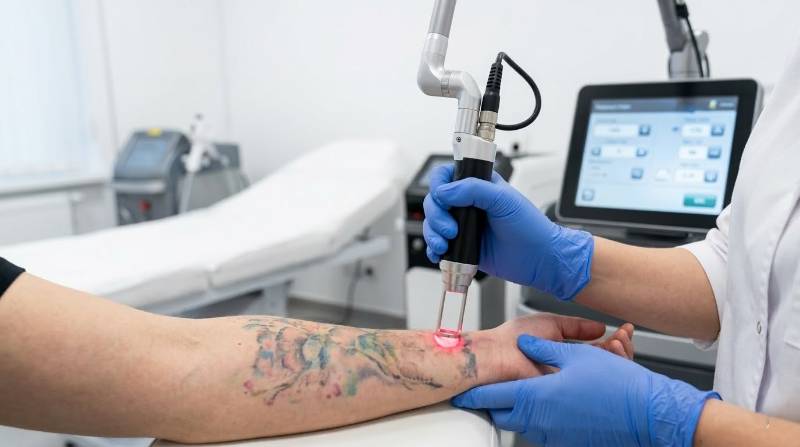
Laser Tattoo Removal
Laser tattoo removal is currently considered the safest and most effective method. This technique works by emitting focused light pulses that penetrate the skin layers to reach the tattoo ink, breaking its particles into tiny fragments that the immune system gradually removes through the lymphatic system.
The most commonly used types today are the Q-Switched Nd:YAG laser and the PicoSure laser. The latter is faster, less painful than previous generations, and yields better results for vibrant colors like blue and green.
Health Risks of Tattoos
Before discussing removal, it’s important to note the potential health risks of tattoos themselves. Documented risks include:
- Bacterial infections: Especially if the tattoo is done in non-sterile conditions.
- Allergic reactions: Colored inks, particularly red, may cause chronic inflammation.
- Cysts and scarring: May form around the ink or due to unprofessional removal attempts.
- Interference with medical imaging: Metallic inks can cause issues in certain MRI scans.
- Cancer concerns: Some studies suggest certain tattoo pigments may irritate the skin over time, though no direct link to cancer has been conclusively proven.
Methods of Tattoo Removal
Tattoo removal methods vary in effectiveness and side effects. The main approaches include:
- Laser removal: Most common and safe, providing the best results with minimal scarring.
- Chemical dermabrasion: An older technique sometimes used alongside laser treatments.
- Surgical excision: Used for very small tattoos but leaves noticeable scars.
- Commercial creams: Lack sufficient scientific evidence and are not medically recommended.
The Laser Tattoo Removal Process
Laser tattoo removal follows clear stages:
- Initial consultation: The doctor evaluates the tattoo and determines the number of sessions required.
- Topical anesthesia: Cream or injection to minimize discomfort.
- Laser session: Lasts 15–45 minutes depending on tattoo size.
- Post-session care: Apply anti-inflammatory ointment and avoid sun exposure.
- Interval between sessions: Typically 6–8 weeks to allow skin regeneration.
During the procedure, the laser emits extremely short light pulses (measured in picoseconds or nanoseconds) that are absorbed by the ink particles without damaging surrounding tissues. The particles break down and are gradually removed via the lymphatic system over weeks to months. Dark colors like black and deep blue respond better than lighter shades such as yellow and white, which may require specialized techniques.
Removing Permanent Tattoos
Removing a permanent tattoo is not impossible but requires patience. Most tattoos can be removed by 90–95% or more, though some light traces may remain. Success depends on:
- Age of the tattoo (older tattoos are generally easier to remove).
- Type, quality, and depth of the ink.
- Skin tone (lighter skin usually responds better).
- Tattoo location and blood circulation in the area.
Body-Specific Considerations
Removing tattoos from different parts of the body requires special considerations. Areas closer to the heart (like the chest) heal faster, while extremities (hands and feet) take longer. Facial tattoos need extra caution due to sensitive skin and proximity to blood vessels.
After each laser session, immune cells (macrophages) engulf the fragmented ink particles and gradually carry them through the lymphatic system to the liver. This natural process continues for weeks after each session, which is why improvement is often observed over several months.
Can Tattoos Be Completely Removed?
Scientifically, yes — most tattoos can be removed to varying degrees of effectiveness. Modern laser technologies such as PicoWay and PicoSure have significantly improved results, even for darker skin tones when treated by experienced doctors.
Number of Sessions Required
The number of sessions typically ranges from 6 to 12, sometimes more, depending on the tattoo’s size, color, depth, and the individual’s skin type. Modern picosecond lasers may reduce this number significantly.
Pain During Laser Removal
Most patients experience mild discomfort resembling a quick elastic snap. Topical anesthesia greatly reduces this sensation, although sensitivity varies by individual.
Choosing a Laser Tattoo Removal Center
Selecting the right center is crucial for safety and success. When searching for a specialist center, ensure:
- Official licensing from the Ministry of Health or relevant authority.
- Availability of approved and modern laser devices such as PicoSure or RevLite.
- A qualified medical team specialized in dermatology or cosmetic surgery.
- Access to before-and-after photos of previous patients.
- A free consultation session prior to treatment.
Choosing the Right Doctor
Laser tattoo removal should only be performed by a dermatologist or cosmetic surgeon, not just a laser technician. A qualified doctor can assess skin tone, ink type, and tattoo depth, adjusting the laser settings to maximize results and minimize harm. Ensure the doctor is a member of a recognized dermatology association and has documented experience in cosmetic laser techniques.
Conclusion
Today, tattoo removal is no longer a distant dream. Thanks to advanced laser technologies, many people can safely and effectively restore their natural skin appearance. The key is always choosing a qualified doctor and reliable center, and following the prescribed treatment plan and aftercare instructions. Consult your dermatologist to determine the best option for your specific case.
If you need a professional consultation, you can easily book an appointment through Vezeeta.
Related Keywords
Specialized Doctors

Noha Nagy
Consultant in Dermatology, Venereology and Aesthetics – Faculty of Medicine, Ain Shams University

Yousra Hilal
- Specialist in Dermatology, Cosmetology and Laser

Heba Abo El fetouh
Consultant in dermatology and venereal
References
https://www.mayoclinic.org/tests-procedures/tattoo-removal/about/pac-20393399
https://www.healthline.com/health/tattoo-removal
https://my.clevelandclinic.org/health/treatments/10190-tattoo-removal
https://www.webmd.com/skin-problems-and-treatments/cosmetic-procedures-tattoo-removal
https://medlineplus.gov/ency/article/002977.htm
Specialized Doctors
Noha Nagy
Consultant in Dermatology, Venereology and Aesthetics – Faculty of Medicine, Ain Shams University
Yousra Hilal
- Specialist in Dermatology, Cosmetology and Laser
Heba Abo El fetouh
Consultant in dermatology and venereal