Sudden Placental Abruption: A Life-Threatening Risk for Mother and Baby – Discover the Symptoms and Prevention Methods
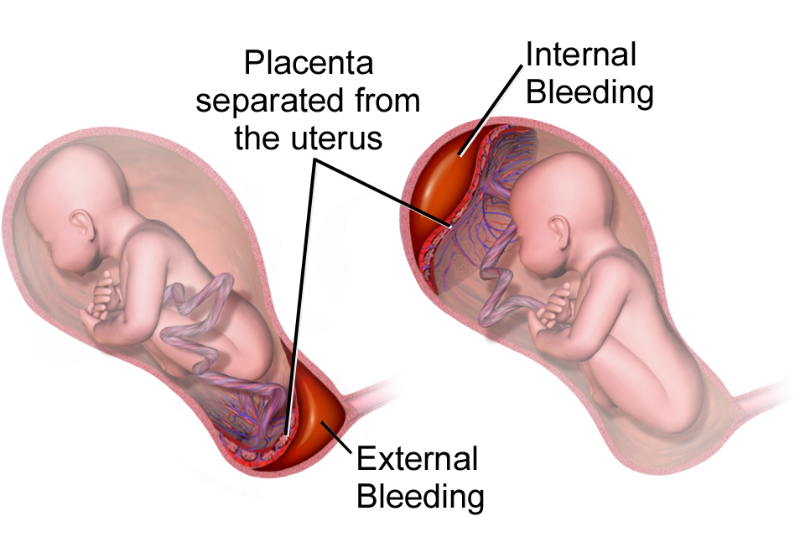
Placental abruption is a rare but serious obstetric complication that can pose a severe threat to both the mother and fetus. It occurs when the placenta—an essential organ that provides oxygen and nutrients to the growing baby—detaches partially or completely from the uterine wall before childbirth. This condition can result in internal bleeding, restricted fetal growth, or premature delivery, and in severe cases, may lead to fetal or maternal death if not treated promptly.
Understanding the signs, risk factors, and treatment options for placental abruption is crucial for early diagnosis and ensuring a safe pregnancy outcome.
What is Placental Abruption?
Placental abruption (abruptio placentae) is a condition in which the placenta separates from the inner wall of the uterus before delivery. This separation can reduce or block the baby's supply of oxygen and nutrients and cause heavy bleeding in the mother. It usually occurs in the third trimester but may happen earlier in some cases.
What are Causes and Risk Factors of Placental Abruption?
While the exact cause of placental abruption is often unknown, several factors can increase a woman’s risk, including:
- High blood pressure (hypertension)
- Trauma or injury to the abdomen
- Previous history of placental abruption
- Smoking or substance abuse (especially cocaine)
- Premature rupture of membranes (PROM)
- Multiple pregnancies (twins or more)
- Blood-clotting disorders
- Advanced maternal age
What are the Symptoms of Placental Abruption?
The symptoms of placental abruption can vary in severity, but common signs include:
- Vaginal bleeding (can be light or heavy)
- Sudden, severe abdominal or back pain
- Uterine tenderness
- Rapid uterine contractions
- Decreased fetal movement (in severe cases)
It's important to note that some cases may involve concealed bleeding, where the blood remains trapped behind the placenta and is not visible externally.
How is Placental Abruption Diagnosed ?
Diagnosis is based on:
- Medical history and symptoms
- Physical examination
- Ultrasound imaging (though it may not always detect the detachment)
- Monitoring fetal heart rate and uterine activity
Blood tests and monitoring of the mother's vital signs may also be used to assess the severity of the bleeding and the baby’s condition.
What are the Treatment Options for Placental Abruption?
The treatment depends on the severity of the abruption, gestational age, and the health of both the mother and baby. Options include:
- Mild cases (early pregnancy): May be managed with close observation, rest, and hospitalization.
- Moderate to severe cases: May require early delivery, especially if the baby is in distress or bleeding is heavy.
- Blood transfusion or intravenous fluids may be needed in severe maternal blood loss.
In many cases, a cesarean section (C-section) is the preferred method of delivery to ensure the safety of the baby.
What are the Possible Complications of Placental Abruption?
If not treated quickly, placental abruption can lead to serious complications such as:
- Fetal growth restriction
- Premature birth
- Stillbirth
- Maternal shock due to blood loss
- Organ failure
- Disseminated intravascular coagulation (DIC)
How is the Prevention and Monitoring of Placental Abruption?
While it may not always be possible to prevent placental abruption, you can reduce the risk by:
- Managing high blood pressure
- Avoiding smoking, alcohol, and drug use
- Attending regular prenatal checkups
- Using seat belts properly to prevent trauma during accidents
- Reporting any unusual symptoms immediately to your healthcare provider
Conclusion
Placental abruption is a medical emergency that requires immediate attention. Recognizing the warning signs and seeking timely care can make a critical difference in outcomes for both mother and baby. With proper prenatal care and close monitoring, many women with risk factors can still have healthy pregnancies and deliveries.
If you still need to consult a doctor regarding this condition, you can easily book an appointment through Vezeeta
Related Keywords



References
American College of Obstetricians and Gynecologists (ACOG)
Practice Bulletin on placental abruption: diagnosis and management.
Website: https://www.acog.org/clinical/clinical-guidance/practice-bulletin/articles/2016/05/placental-abruption
Mayo Clinic – Placental Abruption
Overview of symptoms, causes, risk factors, diagnosis, and treatment.
Website: https://www.mayoclinic.org/diseases-conditions/placental-abruption/symptoms-causes/syc-20352777
National Health Service (NHS) UK
Information on placental abruption and pregnancy complications.
Website: https://www.nhs.uk/conditions/pregnancy-and-baby/placental-abruption/
UpToDate – Placental Abruption
Comprehensive clinical resource on epidemiology, pathophysiology, diagnosis, and management.
Website: https://www.uptodate.com/contents/placental-abruption
World Health Organization (WHO) – Maternal health factsheet
Data and recommendations regarding pregnancy complications including placental abruption.
Website: https://www.who.int/news-room/fact-sheets/detail/maternal-mortality
Journal Article: "Placental Abruption: Clinical Features and Outcomes"
Obstetrics & Gynecology, 2018; Volume 131, Issue 3, Pages 540-548.
DOI: 10.1097/AOG.0000000000002481