

Zithrocin 500 mg capsules: uses, side effects, pregnancy, and price
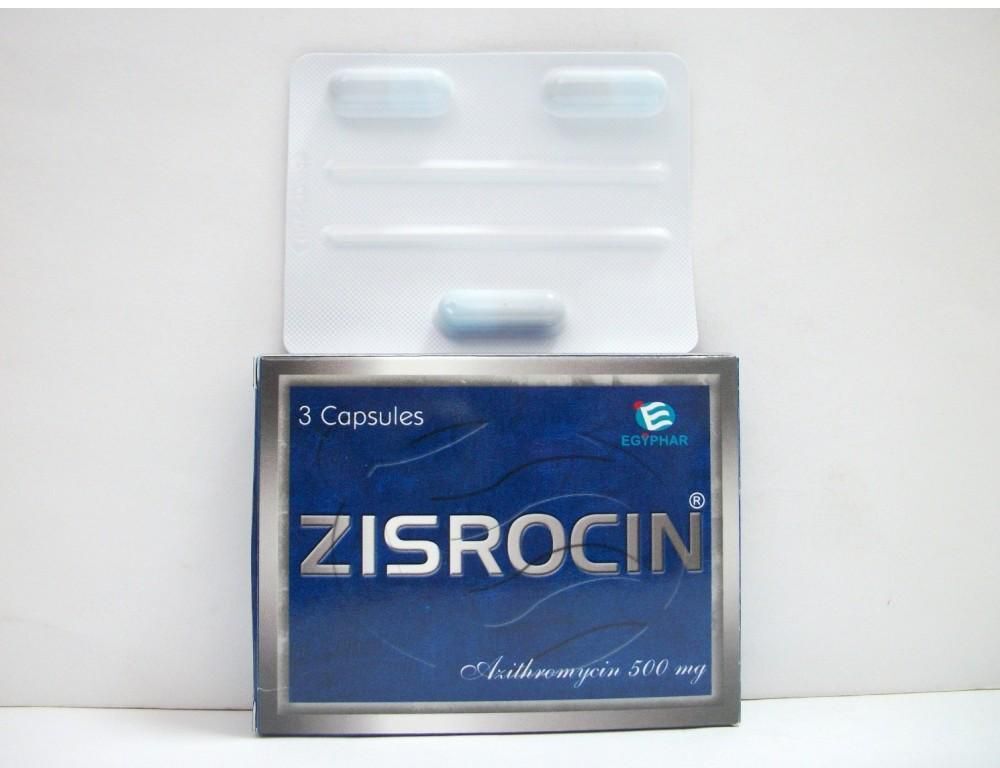
What is Zithrocin and what does it contain
Zithrocin 500 mg 3 capsules is a brand of azithromycin, a macrolide antibiotic. Azithromycin works against susceptible bacteria by slowing or stopping bacterial growth, allowing the immune system to clear the infection.
The 500 mg capsule is an adult-strength form. Searches such as Zithrocin 500, Zithrocin capsules, Zithrocin syrup, Zithrocin 100, and Zithrocin for children usually refer to different azithromycin forms or strengths. Liquid forms are often preferred when a child needs a weight-based dose. Do not switch between capsules and syrup without medical or pharmacist advice.
You can check the exact product details and availability on the Zithrocin 500 mg 3 capsules page on Vezeeta Pharmacy.
What is Zithrocin used for
Zithrocin is used only for bacterial infections that are confirmed or strongly suspected by a doctor. It may be prescribed for community-acquired pneumonia, certain bacterial bronchitis flare-ups, sinusitis, tonsillitis or pharyngitis in selected cases, ear infections, uncomplicated skin infections, and some sexually transmitted infections such as chlamydia.
It should not be used for a common cold, influenza, or most viral sore throats. If symptoms include persistent fever, chest pain, shortness of breath, severe cough, or repeated chest infections, medical assessment is important before taking an antibiotic. You can book or consult a chest and respiratory doctor through Vezeeta to decide whether an antibiotic is needed.
Zithrocin dosage and how to use it
The correct Zithrocin dose and treatment duration depend on the infection, severity, age, weight, pregnancy status, liver and kidney health, and other medicines being used. Although this pack contains three 500 mg capsules and azithromycin is often used in short courses, it should still be taken only as prescribed.
Do not start Zithrocin because you used it before, because another person has similar symptoms, or because you want a strong antibiotic. Taking antibiotics without need can cause side effects and may make future infections harder to treat. Complete the course exactly as directed unless your doctor tells you otherwise.
Before or after food
Immediate-release azithromycin capsules, tablets, and regular oral suspension can generally be taken with or without food. Taking it after food may reduce nausea or stomach discomfort. Do not take aluminum- or magnesium-containing antacids at the same time; ask your pharmacist about a suitable time gap.
Missed dose
If you miss a dose, take it when you remember. If it is nearly time for the next dose, skip the missed dose and continue your normal schedule. Do not double the dose.
How long does Zithrocin take to work
Many people start to feel better within two to three days, but this varies according to the infection, the bacteria causing it, and the patient’s general condition. Fever, throat pain, or cough may improve before the infection has fully resolved.
Contact a doctor if symptoms worsen, fever persists, breathing becomes difficult, chest pain appears, severe diarrhea develops, or there is no meaningful improvement within the timeframe your doctor expected.
What are the side effects of Zithrocin
Common side effects include diarrhea, nausea, vomiting, abdominal pain, indigestion, headache, dizziness, rash, or itching. These effects are often mild, but persistent or troublesome symptoms should be discussed with a doctor or pharmacist.
Rare but serious reactions include severe allergy, serious skin reactions, liver problems, abnormal heart rhythm, worsening myasthenia gravis, and severe antibiotic-associated diarrhea. Watery or bloody diarrhea may occur during treatment or even weeks later; do not treat it with anti-diarrheal medicine unless a doctor advises this.
Seek urgent care for swelling of the face, lips, tongue, or throat; difficulty breathing; fainting; fast or irregular heartbeat; widespread blistering rash; yellow skin or eyes; dark urine; severe abdominal pain; or severe watery or bloody diarrhea.
Contraindications and precautions
Do not use Zithrocin if you are allergic to azithromycin, erythromycin, clarithromycin, telithromycin, any other macrolide or ketolide antibiotic, or any ingredient in the product. Zithrocin is also contraindicated if you previously developed cholestatic jaundice or liver dysfunction caused by azithromycin.
Use with caution and only after medical assessment if you have liver disease, kidney disease, prolonged QT interval, heart rhythm problems, slow heartbeat, heart failure, low potassium or magnesium, myasthenia gravis, severe pneumonia, suspected bloodstream infection, or significant immune weakness. Older adults may be more sensitive to heart rhythm effects.
In very young infants, azithromycin has been associated with infantile hypertrophic pyloric stenosis. Parents should contact a doctor promptly if a baby develops repeated vomiting or unusual irritability during feeding.
Zithrocin drug interactions
Tell your doctor or pharmacist about all medicines and supplements you use. Important examples include warfarin and other blood thinners, digoxin, colchicine, phenytoin, nelfinavir, medicines for heart rhythm, and antacids containing aluminum or magnesium.
Because azithromycin may affect heart rhythm in susceptible people, extra caution is needed with other medicines that prolong the QT interval, including some antiarrhythmics, antidepressants, antipsychotics, anti-nausea medicines, and other antibiotics.
Zithrocin during pregnancy and breastfeeding
Zithrocin 500 is not automatically unsafe in pregnancy, but it should be used only when a doctor decides it is clearly needed and the expected benefit outweighs possible risks. Do not self-medicate during pregnancy.
Azithromycin can pass into breast milk. Breastfeeding may continue in some cases under medical supervision, while monitoring the baby for diarrhea, rash, vomiting, or feeding problems.
Can Zithrocin be taken every day and long term
Zithrocin is usually prescribed as a short course for an acute infection. It should not be taken daily or repeatedly unless a specialist has a clear reason and monitors treatment.
Repeated unnecessary use may increase antibiotic resistance and the risk of diarrhea, fungal overgrowth, liver problems, hearing-related symptoms, and other adverse effects. Recurrent infections need diagnosis rather than repeated self-treatment.
What are the alternatives to Zithrocin
Alternatives depend on the infection site, likely bacteria, allergy history, pregnancy status, local resistance patterns, and severity. A doctor may choose another macrolide, a penicillin-type antibiotic, a cephalosporin, doxycycline, or another medicine.
Zithrocin is not a universal substitute for all antibiotics. Some throat, urinary, dental, skin, or severe chest infections may require different treatment or culture testing.
Zithrocin price in Egypt
The price of Zithrocin 500 mg in Egypt may change according to official pricing updates, pharmacy availability, and offers. To check the current price and availability, visit the verified Zithrocin 500 mg product page on Vezeeta or ask a licensed pharmacy.
Frequently asked questions
What is Zithrocin?
Zithrocin is an azithromycin antibiotic from the macrolide group. It treats selected bacterial infections, not viral infections.
Is Zithrocin an antibiotic?
Yes. Zithrocin contains azithromycin, which is an antibiotic.
What is Zithrocin 500 used for?
It may be used for certain respiratory, throat, sinus, ear, skin, and genital bacterial infections when azithromycin is suitable.
Is Zithrocin taken before or after food?
It can generally be taken with or without food. Taking it after food may reduce stomach upset.
Is Zithrocin 500 safe during pregnancy?
It may be used during pregnancy only when prescribed by a doctor. Pregnant patients should not take it without medical advice.
Can children take Zithrocin?
Children may receive azithromycin in an age- and weight-appropriate form, often as syrup. Do not give adult capsules to a child unless prescribed.
Does Zithrocin treat colds or flu?
No. Colds and flu are usually viral, and antibiotics do not treat viruses.
Can Zithrocin cause diarrhea?
Yes. Diarrhea is common. Severe, watery, or bloody diarrhea needs medical attention.
Can I stop Zithrocin when I feel better?
Do not stop earlier than prescribed unless your doctor instructs you to do so.
How much is Zithrocin?
The price may change. Check Vezeeta Pharmacy or a licensed pharmacy for the current price.
What should I avoid with Zithrocin?
Avoid unnecessary antibiotic use and avoid taking it at the same time as aluminum- or magnesium-containing antacids.
What if I vomit after taking Zithrocin?
Contact your doctor or pharmacist, especially if vomiting happens soon after the dose or the patient is a child.
Medical disclaimer
This article is for medical awareness only and does not replace consultation with a qualified doctor or pharmacist. Do not use antibiotics without a prescription, and seek urgent care if symptoms are severe or worsening.
Specialized Doctors



References
- https://www.drugs.com/azithromycin.html
- https://www.drugs.com/dosage/azithromycin.html
- https://www.drugs.com/pro/zithromax.html
- https://www.drugs.com/pregnancy/azithromycin.html
- https://www.drugs.com/drug-interactions/azithromycin.html
Specialized Doctors


