Zinctron: Ingredients, Uses, and Side Effects
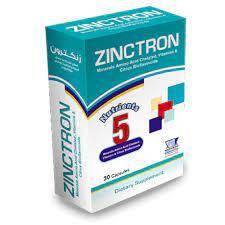
Zinctron is a dietary supplement containing zinc, copper, vitamin C, vitamin B6, and citrus bioflavonoids. These nutrients contribute to immune, wound-healing, neurologic, and blood-related functions, but supplementation is most useful when intake or nutrient status is inadequate.
What is in Zinctron? Order now from Vezeeta Pharmacy
| Ingredient | General role |
| Zinc | Essential trace mineral involved in many enzymes, immunity, wound healing, skin, and hair health. |
| Copper | Trace mineral involved in enzyme function, blood formation, and connective tissue. |
| Vitamin C | Antioxidant vitamin involved in collagen formation and immune function. |
| Pyridoxine (B6) | Supports metabolism and neurologic function. |
| Citrus bioflavonoids | Plant compounds commonly included in antioxidant supplement formulations. |
What is Zinctron used for?
- Replacement or prevention of deficiency of nutrients contained in the product.
- Nutritional support for wound healing and skin or hair health when deficiency is relevant.
- General nutritional support for immune function, not a substitute for infection treatment.
How and when should Zinctron be taken?
Follow the product label or clinician’s directions. Zinc can cause nausea on an empty stomach, so food may improve tolerance. However, zinc should be separated from certain antibiotics and some other medicines because it can reduce their absorption.
Side effects and long-term risks
Zinc may cause nausea, stomach upset, diarrhea, or an unpleasant taste. Prolonged high-dose zinc can produce copper deficiency and neurologic or blood problems. High long-term vitamin B6 intake may also cause sensory neuropathy.
Drug interactions
Zinc can reduce absorption of tetracycline and fluoroquinolone antibiotics and may need to be separated from other minerals or medicines. If several supplements are used, total daily zinc, copper, and vitamin B6 intake should be reviewed.
Frequently Asked Questions
What is Zinctron?
A supplement containing zinc, copper, vitamin C, vitamin B6, and citrus bioflavonoids.
Does Zinctron cause weight gain?
It is not a weight-gain supplement. Correcting a deficiency may improve general health or appetite in some people, but that is not a direct fattening effect.
Does Zinctron increase body hair?
There is no reliable evidence that it increases body-hair growth. Zinc may support hair health when zinc deficiency is present.
When should Zinctron be taken?
Follow the product directions. Taking it with food may improve stomach tolerance, but it may need to be separated from certain antibiotics.
Can Zinctron be taken long term?
Avoid prolonged high-dose use without supervision because excess zinc can cause copper deficiency and excess vitamin B6 can damage sensory nerves.
Medical Disclaimer
| The information in this article is for health education only and does not replace medical or pharmacist advice. Do not start, stop, or change the dose of a medicine without consulting a qualified healthcare professional. |
If you need medical advice, you can easily book a Dermatologist through Vezeeta and choose the right specialist for your needs.
Related Keywords