White patches on your skin? It could be vitiligo — here’s the solution
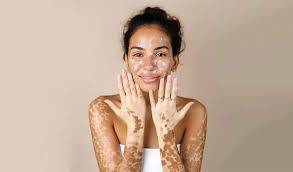
Vitiligo is one of the most puzzling skin disorders that causes concern for many patients, especially due to its sudden appearance as white patches that lack the skin’s natural color. Although vitiligo is neither painful nor contagious, it can have a profound psychological and social impact—particularly when it affects visible areas such as the face and hands.
What is Vitiligo?
Vitiligo is a chronic skin disorder that appears as white patches resulting from the loss of melanin, the pigment responsible for the color of the skin, hair, and eyes. It occurs when melanocytes—the cells that produce melanin—stop functioning or die, causing the skin to lose its color in specific areas.
Although vitiligo is not contagious or physically dangerous, it can have emotional and social effects on those affected, especially when it appears on visible parts of the body like the face and hands.
What Are the Symptoms of Vitiligo?
The main symptoms of vitiligo include:
- Appearance of white or light patches on the skin, especially on the face, hands, feet, and genital areas.
- Premature graying or whitening of hair in the affected area.
- Loss of color in the mucous membranes (such as inside the mouth or nose).
- In some cases, changes in the color of the iris of the eye.
What are the Types of Vitiligo?
- Generalized Vitiligo: The most common type, where patches appear symmetrically across various parts of the body.
- Segmental Vitiligo: Affects only one side or part of the body, often appearing at a young age.
- Localized Vitiligo: Limited to one or a few specific areas of the skin.
What Causes Vitiligo?
The exact cause of vitiligo is unknown, but several factors are believed to contribute to its development:
- Autoimmune disorders: Where the immune system mistakenly attacks the melanocytes.
- Genetics: A family history of vitiligo increases the risk.
- Stress or physical trauma: May trigger or worsen the condition.
- Excessive sun exposure or contact with harmful chemicals.
How is Vitiligo Diagnosed?
Doctors typically rely on a clinical skin examination to identify white patches and assess the pattern of spread. Additional tests may include:
- Wood’s lamp examination: A special UV light that helps highlight depigmented areas.
- Blood tests: To check for related autoimmune conditions.
- Skin biopsy: In some cases, to confirm the diagnosis.
How is Vitiligo Treated?
While there is no definitive cure for vitiligo, several treatment options can help reduce the appearance of white patches and improve overall skin tone:
1. Medications:
- Topical corticosteroids or immunosuppressive creams.
- Calcineurin inhibitors (e.g., tacrolimus).
2. Phototherapy (Light Therapy):
- Narrowband UVB therapy to stimulate repigmentation.
3. Surgical Treatments:
- Melanocyte transplant or skin grafting in stable and limited cases.
4. Cosmetic Treatments:
- Use of makeup or camouflage creams to conceal patches.
- Depigmentation in severe cases to unify skin tone.
Tips for Living with Vitiligo
- Apply sunscreen daily to protect sensitive skin.
- Minimize stress and emotional pressure.
- Wear protective clothing when exposed to the sun.
- Regularly consult a dermatologist to monitor the condition.
Is Vitiligo a Serious Condition?
Vitiligo is not life-threatening and does not cause serious physical complications, but it can significantly impact a person's mental health. Therefore, psychological support is just as important as medical treatment.
Conclusion
Vitiligo is a common skin disorder caused by pigment loss. Although not dangerous to physical health, it may have a strong emotional impact. Treatment options vary in effectiveness depending on the individual case. The key to managing vitiligo lies in education, consistent medical follow-up, and psychological and social support.
If you still need to consult a doctor regarding this condition, you can easily book an appointment through Vezeeta
Related Keywords



References
Mayo Clinic. Vitiligo.
https://www.mayoclinic.org/diseases-conditions/vitiligo
National Institute of Arthritis and Musculoskeletal and Skin Diseases (NIAMS). Vitiligo.
https://www.niams.nih.gov/health-topics/vitiligo
Cleveland Clinic. Vitiligo: Symptoms, Causes, Treatment & Prevention.
https://my.clevelandclinic.org/health/diseases/12358-vitiligo
NHS (National Health Service, UK). Vitiligo.
https://www.nhs.uk/conditions/vitiligo
American Academy of Dermatology (AAD). Vitiligo: Overview.
https://www.aad.org/public/diseases/a-z/vitiligo-overview