What is gastric bypass surgery, and what are its benefits and risks?
What is gastric bypass surgery?
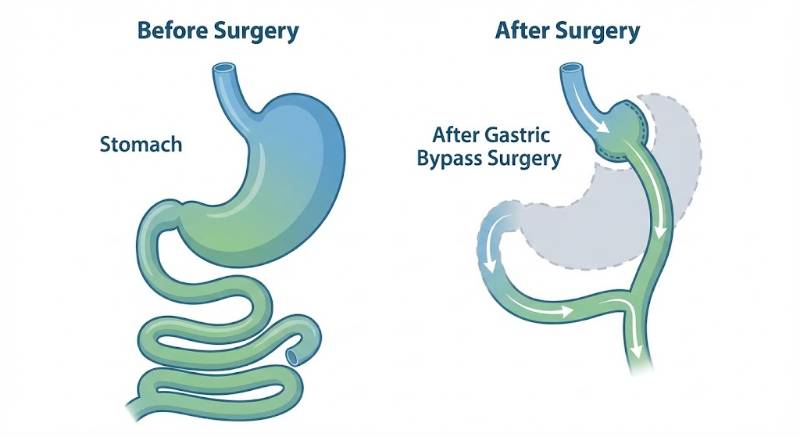
Gastric bypass surgery is one of the most well-known and effective procedures for treating obesity. It is based on two main steps: reducing the stomach size to create a very small upper pouch, and then connecting this pouch directly to a lower part of the small intestine. This new digestive system structure forces you to eat less while reducing calorie and fat absorption, as food bypasses a large portion of the stomach and the beginning of the small intestine.
As a result, you feel full quickly and lose significant weight, along with improvements in many obesity-related health issues such as type 2 diabetes and high blood pressure.
How is gastric bypass surgery performed?
The surgery is usually done laparoscopically under general anesthesia, with small incisions made in the abdomen. The procedure starts by dividing the stomach to create a small upper pouch that can hold only a small amount of food.
Next, the small intestine is cut, and its lower part is connected to the new stomach pouch. Finally, the upper portion of the cut intestine is attached further down to ensure digestive juices mix with food, allowing proper digestion despite bypassing a large portion of the traditional pathway.
How long does gastric bypass surgery take?
The surgery typically takes between 1.5 to 3 hours, depending on the complexity and technique used (laparoscopic or open surgery). Afterward, the patient spends a short recovery period to monitor vital signs and usually stays in the hospital for about two days to ensure there are no leaks or early complications before returning home for gradual recovery.
Benefits of gastric bypass surgery
Gastric bypass results in significant weight loss, with patients typically losing 60–80% of excess weight within the first year after surgery. This improves mobility, increases daily activity, and boosts self-confidence.
The benefits go beyond weight loss; it also helps treat or improve type 2 diabetes for many patients, lowers high blood pressure, reduces cholesterol levels, and improves sleep apnea and overall quality of life.
Potential issues with gastric bypass
Despite its success, patients may face challenges like vitamin and mineral deficiencies (iron, calcium, vitamin B12) due to bypassing part of the intestine responsible for absorption.
“Dumping syndrome” can also occur, causing nausea, vomiting, and fatigue after consuming sugary foods. Lifelong adherence to nutritional supplements is required to avoid anemia or osteoporosis.
Gastric sleeve vs. gastric bypass
The choice depends on the patient’s health and goals. Gastric sleeve only reduces stomach size without altering the intestines and is suitable for moderate obesity. Gastric bypass is better for severe obesity associated with diabetes or chronic acid reflux, as it more effectively controls blood sugar and reduces reflux symptoms.
Can weight return after gastric bypass?
Gastric bypass is a tool, not a magic solution. Weight can return if the patient doesn’t maintain a healthy diet. Stretching of the stomach pouch due to overeating or consuming high-calorie liquids and sweets may compromise results. Long-term adherence to physical activity and healthy eating is essential to maintain ideal weight.
When can you start eating after gastric bypass?
Food intake follows a strict progression. In the first days, only clear liquids are allowed (water, broth). After one week, full liquids and pureed foods are introduced for 3–4 weeks. Soft foods are gradually added, and by the eighth week, small amounts of solid foods can be reintroduced with proper chewing and separation of liquids from meals.
Complications of gastric bypass surgery
Possible general surgical risks include:
- Infection
- Bleeding
- Blood clots
Procedure-specific risks include:
- Leaks at connection sites
- Intestinal obstruction
- Ulcers in the stomach or connections
Long-term risks include malnutrition and gallstones, requiring regular follow-up and lab tests.
Conclusion
Gastric bypass remains one of the most powerful medical tools for tackling severe obesity and regaining control of health. It is not just a weight-loss procedure but an opportunity to start a healthier life free from chronic diseases, provided the patient understands that surgery is the beginning, not the end. True success depends on long-term healthy habits, regular medical follow-up, and understanding the body’s new needs to maintain results for years to come.
If you still need a doctor’s consultation regarding this condition, you can easily book an appointment through Vezeeta.
Related Keywords


Specialized Doctors

Ashraf Abdelkader
Professor and Consultant of General Surgery, Obesity and Oncology, Faculty of Medicine, Benha University.

Ayman Mandour
Consultant of obesity and laparoscopic surgery

Mohamed Elmanakhly
Bariatric Surgery, Laparoscopic and General consultant
References
- https://www.google.com/search?q=https://www.mayoclinic.org/tests-procedures/gastric-bypass-surgery/about/pac-20385190
- https://www.google.com/search?q=https://my.clevelandclinic.org/health/treatments/17008-gastric-bypass-surgery
- https://www.google.com/search?q=https://www.healthline.com/health/gastric-bypass-diet
- https://www.google.com/search?q=https://www.webmd.com/diet/obesity/gastric-bypass-and-lap-band-surgery
- https://www.google.com/search?q=https://www.healthline.com/health/weight-regain-after-gastric-bypass
- https://medlineplus.gov/ency/article/007199.htm
- https://www.google.com/search?q=https://www.webmd.com/diet/obesity/gastric-bypass-and-lap-band-surgery
Specialized Doctors
Ashraf Abdelkader
Professor and Consultant of General Surgery, Obesity and Oncology, Faculty of Medicine, Benha University.
Ayman Mandour
Consultant of obesity and laparoscopic surgery
Mohamed Elmanakhly
Bariatric Surgery, Laparoscopic and General consultant