"What are the symptoms of meningitis, its treatment, and prevention methods?
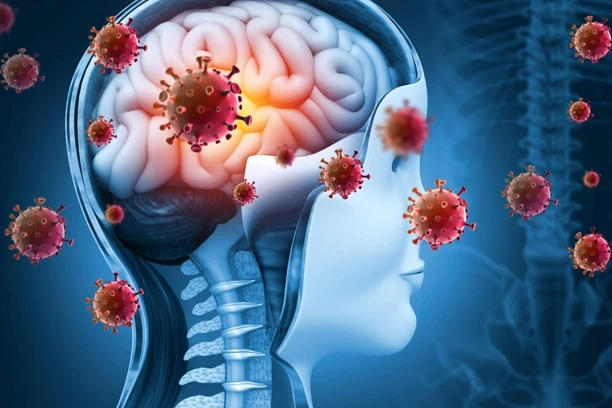
There is no pain like that of the brain, and nothing is more dangerous than a brain-related condition, as the brain controls all the body’s organs. Any damage to it manifests in symptoms across different parts of the body, as in the case of meningitis, which can cause symptoms in the head, eyes, stomach, and neck.
What is meningitis? Is meningitis contagious in adults? At what age is the meningitis vaccine administered? These are some of the questions we’ll answer in the following article.
What is Meningitis?
Meningitis refers to the inflammation of the membranes surrounding the brain and spinal cord, caused by bacterial, viral, or sometimes fungal infections. Although rare, it can pose a serious threat to the affected individual.
Many cases require immediate medical intervention to save the patient and control the rapid progression of symptoms, which may lead to severe and permanent complications.
ًWhat are Types of Meningitis?
Meningitis is classified into several types based on the cause of infection:
1. Bacterial Meningitis
One of the most dangerous forms of meningitis, it requires urgent treatment to avoid brain damage or death. It occurs when certain types of bacteria enter the bloodstream—through the throat, sinuses, or ear—and reach the brain.
The infection can spread through sneezing or coughing by someone infected with one of the following bacteria:
- Neisseria meningitidis (Meningococcus)
- Streptococcus pneumoniae (Pneumococcus)
- Haemophilus influenzae — a major cause of meningitis in infants and children in the past.
- Listeria monocytogenes — responsible for meningitis in adults and pregnant women.
2. Viral Meningitis
Less dangerous than bacterial meningitis but more common in children. It is caused by a variety of viruses.
3. Fungal Meningitis
Rare and typically affects immunocompromised individuals, such as those with HIV/AIDS.
4. Amoebic Meningitis
Though amoebas are weak organisms, Naegleria fowleri can cause deadly meningitis. Found in fresh water or soil, it may infect individuals who use unclean swimming pools. It is not contagious.
5. Parasitic Meningitis
Not transmitted from person to person. Infection occurs from consuming certain undercooked seafood or raw food.
6. Chronic Meningitis
Develops over a period of weeks due to fungal or tuberculosis infections, mimicking acute symptoms.
7. Non-infectious Meningitis
Not contagious. It can result from head trauma, brain surgery, certain medications, or underlying conditions such as cancer.
What Are the Symptoms of Meningitis?
Symptoms vary depending on age group, infection type, and vaccination history.
In Children and Adults:
- Loss of appetite
- Light sensitivity (photophobia)
- Nausea or vomiting
- Drowsiness or fatigue
- Confusion and difficulty concentrating
- Stiff neck
- Headache
- Seizures
- Sudden high fever
- Loss of balance
- Hallucinations
In Infants:
Because infants cannot express pain, signs to watch for include:
- Sluggish responsiveness
- Poor feeding
- Bulging fontanel (soft spot on the head)
- Drowsiness
- Fever
What are Causes and Risk Factors of Meningitis?
Meningitis can be caused by bacterial or viral infections, or by:
- Tuberculosis
- Syphilis
- Immunodeficiency diseases
- Cancer
- Lupus
- Certain medications
It spreads through:
- Sneezing
- Coughing
- Kissing
- Sharing personal items
Risk Factors:
- Pregnancy: Increases susceptibility to Listeria meningitis, which can harm the fetus or cause miscarriage/preterm birth.
- Age: Viral meningitis affects children under 5, while bacterial forms can affect individuals under 20.
- Weakened immunity: Conditions like diabetes, HIV/AIDS, alcoholism, or use of immunosuppressive drugs increase infection risk.
How is Meningitis Diagnosed?
The doctor will review the patient’s symptoms and medical history, perform a physical exam, and may recommend:
- CT or MRI scans of the head/chest to detect inflammation or infection.
- Blood tests (blood culture) to identify bacteria.
- Lumbar puncture (spinal tap): To test cerebrospinal fluid for protein, white blood cell count, and glucose (often low in meningitis).
Can Children Recover from Meningitis? How Long Does Treatment Last?
Some cases, especially bacterial or viral meningitis, are treatable. Amoebic meningitis, however, is often fatal.
Treatment duration depends on the cause:
- Viral meningitis: 7–10 days
- Bacterial meningitis: 7–21 days, depending on the bacterial strain
- Full recovery: May take weeks to months
How is Meningitis Treated?
Treatment effectiveness usually appears within days and depends on the underlying cause:
- Antibiotics for bacterial infections
- Antivirals for viral infections
- Antifungals for fungal infections
- IV fluids
- Steroids to reduce inflammation
- Drainage of infected sinus areas if needed
- Rest
- Painkillers and fever reducers
At What Age Is the Meningitis Vaccine Given?
Multiple vaccines exist for preventing bacterial and viral meningitis:
- MenB vaccine: Given to infants at 8 weeks, 16 weeks, and a booster at 1 year.
- Pneumococcal vaccine: Administered at 12 weeks, 12 months, and for adults over 65.
- 6-in-1 vaccine: Protects against hepatitis B, tetanus, polio, Haemophilus influenzae, diphtheria, and pertussis; given at 8, 12, and 16 weeks.
- MenACWY vaccine: For teenagers
- MMR vaccine: Protects against measles, mumps, and rubella
- MenC vaccine: Given at 12 months
Who Should Not Receive the Meningitis Vaccine?
Like any medication, meningitis vaccines are not suitable for:
- Individuals allergic to previous doses
- People with allergies to any vaccine components
What are Meningitis Prevention Tips?
“Prevention is better than cure” — a saying we’ve heard since childhood. Protect yourself by following these steps:
- Maintain good personal hygiene
- Wash hands regularly and avoid sharing items
- Avoid smoking
- Stay away from contaminated water or dirty pools
- Limit contact with sick individuals
- Get vaccinated as recommended
- Cook food thoroughly and avoid raw or undercooked meals
- Cover your mouth and nose when sneezing or coughing
- Eat a balanced diet and stay hydrated
Conclusion
Meningitis is a serious condition that requires vigilance to avoid severe consequences. Early diagnosis and symptom management can significantly improve outcomes. Vaccination remains one of the most effective preventive measures.
If you still need to consult a doctor regarding this condition, you can easily book an appointment through Vezeeta
Related Keywords
Specialized Doctors

Amal Mohamed Habib
consultant of Allergy

Sara Said
Consultant of Internal medicine, Allergy, and Immunology Faculty of Medicine, Ain Shams University

Manar Farouk
senior consultant of internal medicine, allergy and immunology
References
Centers for Disease Control and Prevention (CDC). Meningitis. Available at: https://www.cdc.gov/meningitis/index.html
Mayo Clinic. Meningitis — Symptoms and causes. Available at: https://www.mayoclinic.org/diseases-conditions/meningitis/symptoms-causes/syc-20350508
World Health Organization (WHO). Meningitis. Available at:
https://www.who.int/news-room/fact-sheets/detail/meningitis
MedlinePlus Medical Encyclopedia. Meningitis. Available at: https://medlineplus.gov/meningitis.html
Johns Hopkins Medicine. Meningitis. Available at: https://www.hopkinsmedicine.org/health/conditions-and-diseases/meningitis
Cleveland Clinic. Meningitis: Symptoms, Causes & Treatment. Available at: https://my.clevelandclinic.org/health/diseases/22110-meningitis
Specialized Doctors
Amal Mohamed Habib
consultant of Allergy
Sara Said
Consultant of Internal medicine, Allergy, and Immunology Faculty of Medicine, Ain Shams University
Manar Farouk
senior consultant of internal medicine, allergy and immunology