What are the symptoms of facial nerve inflammation (Bell’s palsy), and how is it treated?

What is the facial nerve and where is it located?
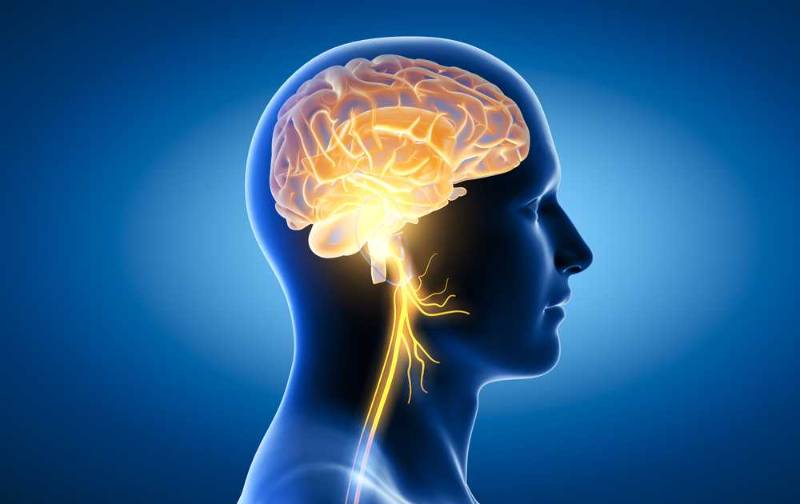
The facial nerve, medically known as the seventh cranial nerve, is an independent nerve responsible for controlling facial expressions. It originates from the brainstem, passes through the facial canal in the temporal bone, and then exits the skull through the stylomastoid foramen behind the ear, branching into several branches that supply the muscles of one side of the face (right or left).
This nerve controls facial expression muscles such as smiling, closing the eye, and raising the eyebrow. It also carries nerve fibers responsible for taste in the front two-thirds of the tongue, in addition to its role in regulating tear and saliva secretion.
What is facial nerve inflammation?
Facial nerve weakness or paralysis is a temporary medical condition resulting from inflammation of the facial nerve, which leads to a temporary loss of its function and paralysis of the associated muscles.
It usually affects one side of the face, is most common in the age group (15–60), and is not considered dangerous in most cases, as it resolves spontaneously.
What are the symptoms of facial nerve (Bell’s palsy)?
Symptoms usually appear suddenly within hours to 48 hours and include:
- Weakness or paralysis of one side of the face
- Drooping of the corner of the mouth
- Difficulty closing the eye on the affected side
- Impaired or reduced taste in the front third of the tongue
- Increased or decreased tear production
- Drooling due to weakness of facial muscles
- Slurred or unclear speech
Causes of facial nerve inflammation
The facial nerve passes through a narrow opening at the base of the skull; when it becomes inflamed and swollen, it is compressed, which affects its function.
In many cases, the exact cause is unknown, but it may be related to viral infections. The most common associated viruses include:
- Herpes simplex virus
- Influenza virus
- Rubella (German measles)
- Mumps
- Cytomegalovirus
- Herpes zoster virus
Risk factors
Some conditions may increase the risk of facial nerve paralysis, including:
- Diabetes
- Obesity
- High blood pressure
- Respiratory infections
- Pregnancy
- Myasthenia gravis
- Multiple sclerosis
Diagnosis of facial nerve paralysis
Diagnosis is mainly based on clinical examination and symptoms, where the doctor identifies weakness in one side of the face. In some cases, additional tests may be required to rule out other conditions such as stroke or tumors, including MRI, CT scans, and electromyography (EMG) to assess nerve involvement.
Duration of recovery from facial nerve inflammation
Symptoms usually begin to improve within 3 weeks. About 80% of patients achieve full recovery within 3 months, while recovery may take up to 6 months in some cases.
Although the condition is temporary, around 5–10% of patients may experience recurrence.
Treatment of facial nerve paralysis
In most cases, Bell’s palsy improves spontaneously within weeks to months without surgery. Treatment aims to speed recovery and reduce complications and includes:
- Corticosteroids (such as prednisone) to reduce inflammation and swelling
- Antivirals such as acyclovir, sometimes used alongside steroids, though their effectiveness alone is not certain
- Eye drops and lubricants to protect the eye from dryness and corneal damage
- Pain relievers if needed
- Facial exercises and physical therapy during recovery
Home care tips
- Regular facial massage
- Using an eye patch to protect the eye from dryness or foreign bodies
- Warm compresses on the affected side to reduce discomfort
- Facial exercises to stimulate muscles and prevent long-term weakness
Signs of improvement
As symptoms improve, patients gradually regain facial function:
- Improved ability to smile and control mouth muscles
- Restoration of facial expressions
- Return of normal taste sensation
- Reduction of excessive tearing
- Improved eye closure and opening
- Symmetry of the face returning
Prevention
There are no specific preventive measures for facial nerve paralysis, as the exact cause is often unknown. However, managing risk factors such as diabetes, hypertension, and obesity may help reduce risk.
Is facial nerve paralysis dangerous?
In most cases, it is not dangerous and resolves on its own within a few months. However, complications may include:
- Dry eye leading to corneal ulcers and, in rare cases, vision problems
- Permanent nerve damage (rare)
- Abnormal nerve regrowth causing involuntary muscle contractions (synkinesis)
Conclusion
Facial nerve paralysis is a temporary condition caused by inflammation of the facial nerve, leading to weakness of one side of the face. Symptoms usually resolve within about 3 months, and treatment helps prevent complications.
If you still need medical advice regarding this condition, you can easily book an appointment through Vezeeta.
Related Keywords





References
https://www.ncbi.nlm.nih.gov/books/NBK554569/
https://my.clevelandclinic.org/health/body/22218-facial-nerve
https://med.stanford.edu/facialnervecenter/about-the-facial-nerve.html
https://www.ncbi.nlm.nih.gov/books/NBK549815/