What are the early symptoms of lung cancer, and how can it be detected?
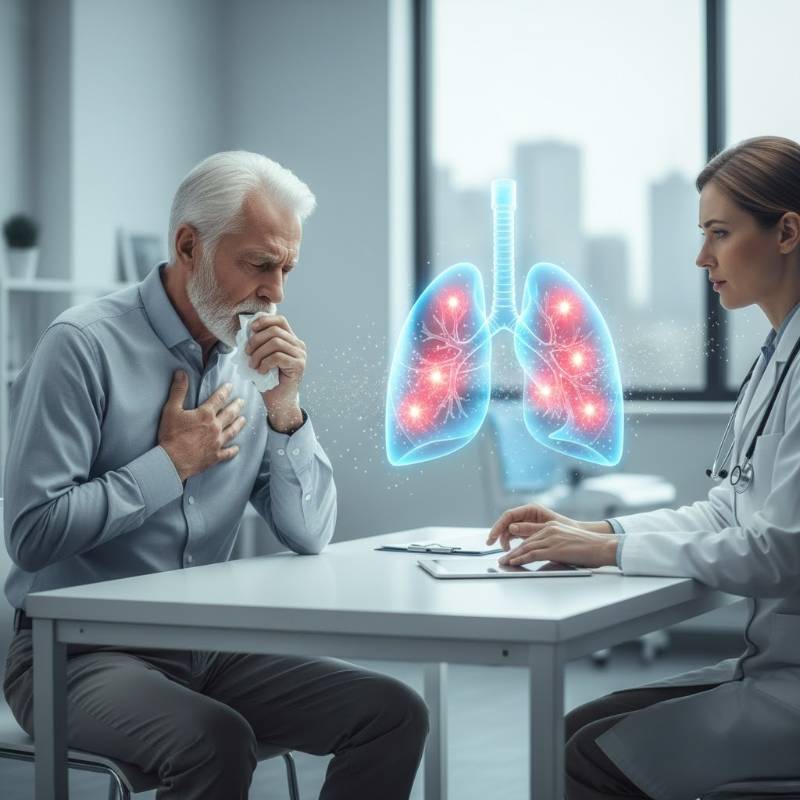
What is Lung Cancer?
Lung cancer is a type of malignant tumor that occurs when lung cells begin to grow abnormally and uncontrollably, forming tumors that can prevent the lungs from supplying oxygen to the body. There are two main types:
Non-small cell lung cancer (NSCLC): the most common type.
Small cell lung cancer (SCLC): grows more rapidly.
How Does Lung Cancer Start?
Lung cancer begins when lung cells are damaged by carcinogens, such as smoking or pollution. Initially, a person may not notice any symptoms, but as the tumor grows, mild shortness of breath or unexplained fatigue may appear, often mistaken for everyday tiredness.
What Are the First Signs of Lung Cancer?
Early symptoms are key to survival, with the most notable being a persistent cough that does not subside after two to three weeks.
Other signs may include:
- Blood in the sputum.
- Chest pain that worsens with deep breathing.
- Persistent hoarseness.
- Sudden shortness of breath.
- Loss of appetite followed by noticeable weight loss without dieting.
What Are the Symptoms in Late-Stage Lung Cancer?
In advanced stages (stage IV), symptoms extend beyond the respiratory system to affect the whole body. Patients may experience severe bone pain or persistent headaches if the cancer spreads to the brain.
Swelling in the face and neck may occur due to pressure on major veins, along with jaundice (yellowing of the skin) and severe muscle weakness, making daily activities extremely difficult.
Stages of Lung Cancer
Doctors classify lung cancer into stages to determine treatment plans:
- Stage I: small tumor confined to the lung.
- Stage II & III: tumor grows and spreads to nearby lymph nodes or the chest wall.
- Stage IV: cancer cells spread to distant organs, such as the liver, bones, or the other lung, requiring more complex treatment protocols.
Treatment of Lung Cancer
Treatment depends on the cell type and disease stage:
Surgery: removes small, localized tumors.
Radiation therapy: aims to shrink the tumor.
Chemotherapy: kills cancer cells that have spread throughout the body.
Targeted and immunotherapy: modern techniques that stimulate the immune system to attack cancer or target genetic mutations that promote tumor growth.
Can Lung Cancer Be Cured?
Cure is possible, especially if lung cancer is detected before it spreads. Recovery depends on the tumor type and how the body responds to treatment. Patients whose tumors are removed early can often return to normal life. In advanced cases, modern medicine focuses on controlling the disease as a chronic condition while maintaining quality of life.
Survival Rate in Stage I Lung Cancer
Stage I has the highest treatment success rate, with five-year survival reaching 70% to 90% in some cases. This emphasizes that early detection of symptoms can lead to complete recovery.
Prevention of Lung Cancer
Lung cancer is common and dangerous, but risk can be significantly reduced by adopting a healthy lifestyle:
- Avoid all forms of smoking and stay away from smokers.
- Ensure proper home ventilation to remove harmful radon gas.
- Wear masks when exposed to chemical dust or harmful fibers.
- Exercise regularly and eat a diet rich in antioxidants—such as berries, citrus fruits, leafy vegetables, carrots, and tomatoes—to support lung health and reduce cell damage.
Can Lung Cancer Be Detected in Routine Tests?
Small tumors may not appear on regular X-rays, so doctors prefer CT scans for early and accurate detection.
Does Shortness of Breath Always Mean Lung Cancer?
No, it is a common symptom of many conditions, such as asthma or heart disease. However, it becomes concerning if accompanied by a persistent cough or weight loss.
Conclusion
Prevention and early detection are the best ways to fight lung cancer. Paying attention to symptoms, avoiding smoking and pollution, and maintaining a healthy lifestyle all help protect your lungs and overall health. Small steps taken today can make a big difference in the future.
If you still need to consult a doctor about this condition, you can easily book an appointment through Vezeeta.
Related Keywords


Specialized Doctors

Mohamed Abd Elhamed Hefny
Consultant in Oncology ,Hematology and Nuclear Medicine, Al-Azhar Medicine

Moustafa Abbas
Consultant and MD in Oncology and Nuclear Medicine, Cairo University, Kasr Al-Ainy

Karim Mohamed
Consultant Oncology
References
- https://my.clevelandclinic.org/health/diseases/4375-lung-cancer
- https://www.healthline.com/health/lung-cancer/early-signs
- https://www.google.com/search?q=https://www.webmd.com/lung-cancer/lung-cancer-causes
- https://medlineplus.gov/ency/article/007194.htm
- https://www.nhs.uk/conditions/lung-cancer/symptoms/
- https://www.google.com/search?q=https://www.cancer.org/cancer/lung-cancer/detection-diagnosis-staging/staging-non-small-cell.html
Specialized Doctors
Mohamed Abd Elhamed Hefny
Consultant in Oncology ,Hematology and Nuclear Medicine, Al-Azhar Medicine
Moustafa Abbas
Consultant and MD in Oncology and Nuclear Medicine, Cairo University, Kasr Al-Ainy
Karim Mohamed
Consultant Oncology