What Is the Treatment for Oral Herpes and How to Prevent It?
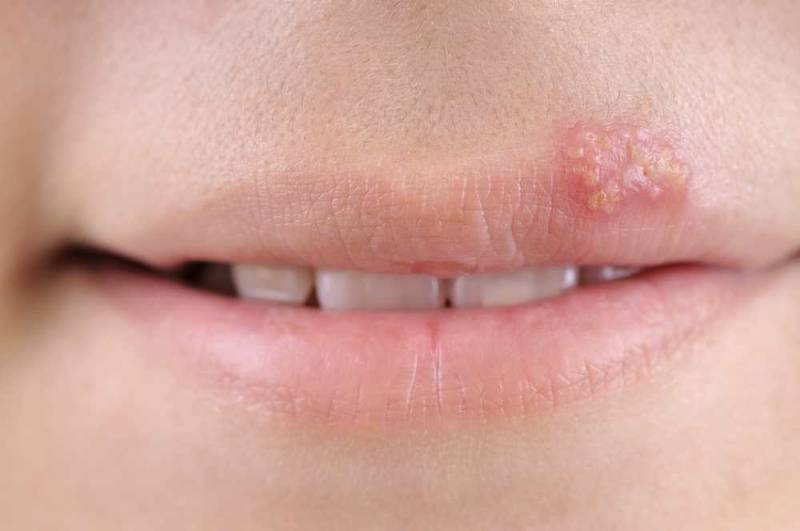
Have you ever experienced those painful sores around your mouth? When did they first appear? These are just some of the questions your doctor may ask when assessing an oral herpes infection—so they can determine the appropriate treatment plan and underlying cause.
But what exactly is oral herpes? What are its symptoms and causes? And how can it be treated at home? Let’s explore all of that in this article.
What Is Oral Herpes?
Oral herpes is one of the most common contagious diseases, affecting more than 70% of people at some point. It can affect all age groups, especially children, and causes fluid-filled blisters to appear around the lips and mouth.
It is caused by the Herpes Simplex Virus type 1 (HSV-1) and is usually transmitted through sharing personal items or kissing an infected person—especially children. Many refer to oral herpes as "cold sores" since it often appears during a common cold when immunity is low.
Once a person contracts the herpes virus, it stays in their body forever. Initial infections often happen in childhood, and the virus may reactivate later due to various triggers.
What are Symptoms of Oral Herpes?
Symptoms don’t always appear immediately after the virus enters the body. Oral herpes has several phases:
- Incubation Period: 2 to 12 days post-infection.
- Symptomatic Phase (lasting about 2 weeks), where you might experience:
- Tingling or itching around the mouth
- Muscle aches
- Fever
- Fluid-filled blisters around the lips and mouth that burst after ~3 days
- Painful sores that scab over within 4–5 days
- Scabs falling off, leaving pink or red skin
Other possible symptoms:
- Fatigue
- Headache
- Nausea
- Dehydration
What are Causes Oral Herpes?
Oral herpes is caused by the HSV-1 virus, which remains dormant in the body and can reactivate due to:
- Cold or flu infections
- Physical or emotional stress
- Hormonal changes (e.g. pregnancy, menstruation)
- Excessive sun or wind exposure
- Skin injury
- Alcohol consumption
- Weakened immune system (HIV, eczema)
- Certain medications (like chemotherapy or immunosuppressants)
What are Stages of Oral Herpes?
- Primary Infection: Virus enters the body and causes symptoms.
- Latency: The virus becomes dormant in nerve cells.
- Reactivation: Triggers cause the virus to reactivate and symptoms return.
Is Oral Herpes Contagious?
Yes—highly. It remains contagious until all sores have completely scabbed. Transmission methods include:
- Sharing personal items (lip balm, razors)
- Skin contact with blisters
- Kissing an infected person
How Is It Diagnosed?
Diagnosis is usually clinical—based on the appearance of sores. However, your doctor may ask:
- When did the sores first appear?
- Do they cause pain?
- Have you had them before?
If uncertain, the doctor may take a swab of the blister fluid to confirm the diagnosis via lab testing.
How to Treat Oral Herpes at Home?
Early treatment is key. At-home care includes:
- Antiviral creams: Apply several times a day without rubbing.
- Single-dose antiviral tablets (if no contraindications).
- Pain relievers: Ibuprofen or acetaminophen.
- Lip balm or moisturizers: Especially helpful for dry, cracked sores.
- Cold compress: Ice on the sores eases pain and itching.
- Antiseptic mouthwash: Especially if brushing causes discomfort.
- Avoid touching, licking, or picking at the sores.
- Wash hands after any contact with the infected area.
- Avoid contact with children or immunocompromised individuals.
What are Best Medications for Oral Herpes?
Common antiviral options (topical or oral):
- Acyclovir
- Valacyclovir
- Famciclovir
- Penciclovir
A doctor may also prescribe antibiotics if there's a secondary bacterial infection (like pus in sores).
Is Oral Herpes Dangerous?
While not usually serious, complications may arise:
- Infants under 6 months: Risk of fever and seizures due to weak immunity.
- Eye infections: With repeated outbreaks or improper hygiene.
- Herpetic whitlow: Infection of the fingers, especially in thumb-sucking children.
- Widespread infection: In people with low immunity or eczema.
How to Prevent Oral Herpes?
To reduce infection or recurrence:
- Avoid touching sores repeatedly.
- Wash hands thoroughly after contact.
- Don’t share personal items.
- Avoid close contact with infected individuals.
- Boost immunity through good nutrition and sleep.
- Avoid known triggers (sun exposure, stress, etc.).
In Summary
Oral herpes is caused by HSV-1 and results in painful, fluid-filled blisters that become sores. It’s contagious, recurring, but treatable. Antiviral creams or tablets can help speed healing and reduce symptom severity. Early diagnosis, personal hygiene, and preventive steps can help limit the spread and frequency of outbreaks.
If you still need to consult a doctor regarding this condition, you can easily book an appointment through Vezeeta
Related Keywords
Specialized Doctors

Nouran Eissa
Consultant and Lecturer of General Internal Medicine, Allergy and Immunology - Ain Shams Faculty of Medicine

Amal Mohamed Habib
consultant of Allergy

Manar Farouk
senior consultant of internal medicine, allergy and immunology
References
Mayo Clinic. Cold Sores (Oral Herpes).
Available at: https://www.mayoclinic.org
Centers for Disease Control and Prevention (CDC). Genital and Oral Herpes.
Available at: https://www.cdc.gov/herpes
American Academy of Dermatology (AAD). Cold Sores: Causes, Symptoms & Treatment.
Available at: https://www.aad.org
MedlinePlus. Herpes Simplex.
Available at: https://medlineplus.gov
National Health Service (NHS). Cold Sores.
Available at: https://www.nhs.uk
Specialized Doctors
Nouran Eissa
Consultant and Lecturer of General Internal Medicine, Allergy and Immunology - Ain Shams Faculty of Medicine
Amal Mohamed Habib
consultant of Allergy
Manar Farouk
senior consultant of internal medicine, allergy and immunology