What Is Herpes Zoster (Shingles)? Its Causes, Symptoms, and Treatment
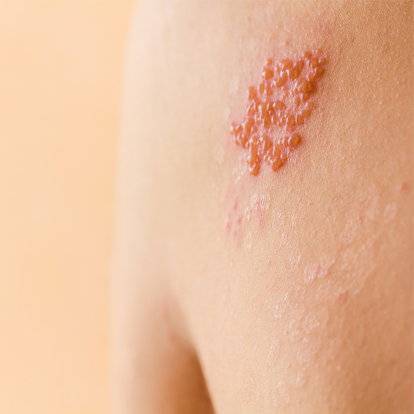
Shingles is a painful skin condition caused by the reactivation of the dormant chickenpox virus in the body. It commonly affects people over the age of 50 or those with weakened immune systems.
In this article, we'll explore the causes, symptoms, and treatment options for shingles—including medications, home remedies, and preventive tips.
What is the Shingles?
Shingles, also known as Herpes Zoster, is a viral infection caused by the Varicella-Zoster virus—the same virus responsible for chickenpox. After recovering from chickenpox, the virus remains dormant in nerve tissues and may reactivate later in life as shingles.
It usually appears as a painful rash that follows the path of a nerve on one side of the body, most commonly on the torso or face.
What are Causes of Shingles?
Shingles occurs when the Varicella-Zoster virus is reactivated. Several factors may trigger this reactivation, including:
- Aging: Immunity naturally weakens with age, especially after age 50.
- Medical conditions that suppress the immune system (e.g., cancer, HIV).
- Chemotherapy or radiation therapy.
- Immunosuppressive medications post organ transplants.
- Psychological stress and emotional strain.
- Physical exhaustion or poor nutrition.
What are Symptoms of Shingles?
Shingles symptoms usually begin with pain or burning on one side of the body, followed by a rash. Key symptoms include:
- Sharp pain, burning, or tingling.
- A red skin rash that appears a few days after the pain.
- Fluid-filled blisters that may burst and crust over.
- Heightened skin sensitivity.
- Mild fever or chills.
- Headache or fatigue.
- In some cases: eye pain or vision loss if the optical nerve is involved.
What are Stages of Shingles?
- Initial Stage: Pain, tingling, or itching in a specific area.
- Rash Stage: Appearance of the red rash.
- Blister Stage: Formation of fluid-filled blisters.
- Healing Stage: Blisters dry up and form crusts.
Symptoms typically last between 2 to 4 weeks. However, complications like postherpetic neuralgia (persistent nerve pain) can linger even after the rash disappears.
What is the Treatment of Shingles?
Treatment aims to:
- Reduce pain and inflammation.
- Speed up rash healing.
- Prevent or minimize complications.
Treatment depends on the severity and stage of the infection and includes the following:
1. Antiviral Medications
These help reduce the severity and duration if taken within 72 hours of rash appearance:
- Acyclovir
- Valacyclovir
- Famciclovir
2. Pain Relievers
- Mild pain: Paracetamol or ibuprofen.
- Severe pain: Stronger medications like tramadol or antidepressants for nerve pain.
3. Topical Treatments
- Lidocaine or capsaicin creams may help relieve pain and itching.
What are the Home Remedies for Shingles?
Some home treatments may ease symptoms and support healing:
- Rest and relaxation.
- Cool compresses to reduce rash discomfort.
- Oatmeal baths to soothe irritated skin.
- Avoid scratching or touching blisters to prevent infection.
- Wear soft, cotton clothing.
- Eat a nutritious diet rich in immune-boosting foods like fruits, vegetables, and nuts.
How to Prevent Shingles?
The most effective way to prevent shingles is through vaccination, especially for those over age 50 or with weak immune systems.
Two vaccines are available:
- Zostavax: Traditional single-dose vaccine.
- Shingrix: Newer and more effective, given in two doses spaced two months apart.
Common Questions About Shingles
Is shingles contagious?
Yes, the virus can be transmitted from a person with shingles to someone who has never had chickenpox, causing chickenpox—not shingles.
Is shingles dangerous?
It usually resolves in a few weeks, but it can cause serious complications such as chronic nerve pain or eye damage.
When should I see a doctor?
If you develop a painful rash on one side of your body—especially if you're over 50 or have a weak immune system—consult a doctor immediately.
Conclusion
Shingles is a widespread condition that can significantly impact quality of life. Early treatment with antiviral medication can ease symptoms and reduce complications. Vaccination is highly recommended for prevention, especially in older adults.
If you still need to consult a doctor regarding this condition, you can easily book an appointment through Vezeeta
Related Keywords
Specialized Doctors



References
Mayo Clinic – Shingles (herpes zoster): Symptoms and causes. Available at :
https://www.mayoclinic.org/diseases-conditions/shingles/symptoms-causes/syc-20353054
Centers for Disease Control and Prevention (CDC) – Shingles (Herpes Zoster). Available at :
https://www.cdc.gov/shingles/index.html
National Health Service (NHS) – Shingles. Available at :
https://www.nhs.uk/conditions/shingles/
Cleveland Clinic – Shingles (Herpes Zoster): Symptoms, Causes & Treatment. Available at :
https://my.clevelandclinic.org/health/diseases/11036-shingles
MedlinePlus – Shingles. Available at :
https://medlineplus.gov/shingles.html
Johns Hopkins Medicine – Shingles (Herpes Zoster). Available at :
https://www.hopkinsmedicine.org/health/conditions-and-diseases/shingles
Specialized Doctors