

What Causes Nasal Congestion, and What Are the Fastest Ways to Relieve It?

What Is Nasal Congestion?
Nasal congestion is the feeling of tightness or fullness inside the nasal passages, which interferes with the normal flow of air through one or both nostrils. It usually occurs because the tissues and blood vessels lining the nose become swollen. It may also be accompanied by increased mucus production or mucus buildup.
You may notice that your nose is blocked even when there is not much discharge. This happens because the problem is not always caused by mucus buildup. It may also result from swelling of the internal tissues and narrowing of the airways.
It is important to distinguish between nasal congestion and nasal obstruction. Nasal congestion refers to swollen tissues that are filled with fluid, while obstruction appears as an actual difficulty moving air through the nose. The condition may be temporary and last for several days, or it may continue for a longer period if it is related to chronic allergies or a structural problem in the nose.
Common Causes of Nasal Congestion
The causes of nasal congestion vary from one person to another. It may occur after a cold or return when you are exposed to dust or pollen. In some cases, it may be related to sinus problems or narrow nasal passages.
Here are some of the main causes of different types of nasal congestion:
One-Sided Nasal Congestion
You may notice that one nostril is blocked while you can breathe normally through the other. The cause of one-sided nasal congestion varies depending on the condition. Possible causes include:
- Deviated nasal septum: If the septum bends toward one nostril, it may narrow the airway on that side.
- Nasal polyps: These growths may interfere with airflow, especially if they are larger on one side.
- A foreign object in the nose: This is an important cause in children and may be accompanied by unusual discharge from one nostril.
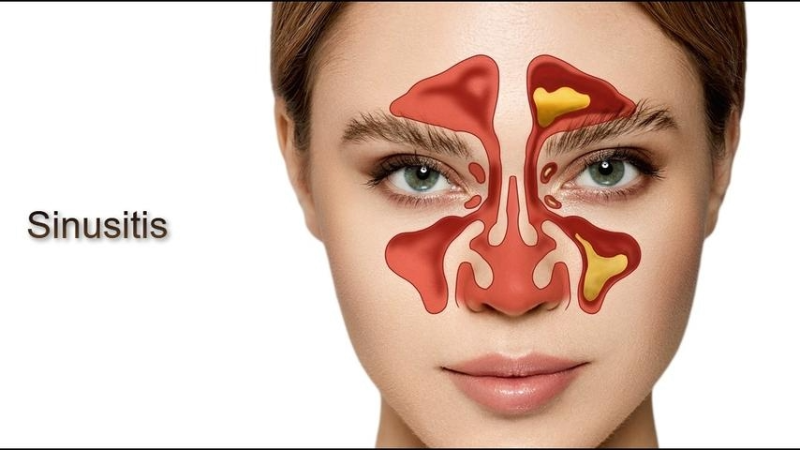
- Nasal or sinus inflammation: Inflammation or swelling may begin on one side before spreading to the other.
If one-sided nasal congestion continues, it is best to see an ear, nose, and throat doctor to identify the cause, especially if it is accompanied by bleeding or unusual discharge.
Nasal Congestion During Sleep
Do you notice that your nose is clear during the day but becomes blocked as soon as you lie down in bed? This may happen because lying down changes the distribution of fluids and blood in the body. As a result, the blood vessels inside the nose may become fuller and the nasal lining may swell.
The problem may also become worse because of dry room air or allergens in pillows and bedding, especially if you have allergic rhinitis.
Chronic Nasal Congestion
If you have constant nasal congestion or notice that it returns for long periods, the problem may be related to a chronic condition that requires medical evaluation.
Common causes of chronic nasal congestion include:
- Persistent nasal allergies.
- Chronic sinusitis.
- Deviated nasal septum.
- Enlarged nasal turbinates.
- Nasal polyps.
- Overuse of decongestant nasal sprays.
Treatment for chronic nasal congestion depends on the cause. For this reason, you should not rely on nasal sprays or medicines continuously without identifying the underlying problem.
Is Nasal Congestion Caused by a Cold?
Colds are among the most common causes of nasal congestion. When viruses enter the nose, the immune system responds by increasing blood flow to the tissues lining the nose. It also increases mucus production to help fight the infection.
As a result, the inner lining becomes swollen and the airways narrow. You may then have difficulty breathing, along with sneezing, a runny nose, sore throat, or cough.
Congestion usually begins during the first few days of a cold and gradually improves as the body recovers.
Can Allergies Cause Nasal Congestion?
If you notice that nasal congestion returns when you clean the house, come into contact with dust, or go near animals, nasal allergies may be the cause.
Allergies occur when the immune system treats harmless substances, such as pollen, dust mites, or animal dander, as threats to the body. This causes the release of histamine and other chemicals that lead to swelling of the tissues lining the nose.
Along with nasal congestion, you may notice other symptoms, such as:
- Frequent sneezing.
- Itchy nose and eyes.
- Runny nose.
- Increased nasal discharge.
- Symptoms that return when you are exposed to the allergen.
Can Nasal Congestion Cause Headaches and Dizziness?
Yes. Nasal congestion may be accompanied by a headache or dizziness, especially when it is related to sinusitis or disturbed sleep caused by difficulty breathing.
A headache may sometimes result from pressure and inflammation inside the sinuses. You may feel pain around the forehead, eyes, or cheeks. Dizziness may be related to fatigue or lack of sleep, or to another accompanying health problem. Its presence does not necessarily mean that nasal congestion is the direct cause.
If the headache is severe or accompanied by vision problems or neurological symptoms, seek medical evaluation.
Can Nasal Congestion Cause Shortness of Breath?
Nasal congestion may make it feel difficult to breathe, especially when you try to breathe only through your nose or while sleeping. You may need to breathe through your mouth to get enough air.
However, it is important to distinguish difficulty breathing through the nose from true shortness of breath. The latter may be related to a respiratory or heart problem and should not automatically be attributed to nasal congestion.
If you experience severe or sudden shortness of breath, especially with chest pain or severe dizziness, seek urgent medical help.
How Can Nasal Congestion Be Treated?
Treatment depends on the cause. If congestion is caused by a cold, symptoms may gradually improve with rest, hydration, and saline solution. If it is related to allergies, you may need antihistamines or suitable nasal sprays.
In cases of a deviated nasal septum or nasal polyps, treatment may require medical or surgical intervention, depending on the severity of the problem.
If you have recurring or persistent nasal congestion, it is best to consult a doctor to identify the cause and choose the appropriate treatment instead of relying on temporary solutions.
Medication for Nasal Congestion
Medication depends on identifying the underlying cause. No single medicine is suitable for every case.
If congestion is caused by allergies, a doctor may recommend antihistamines or corticosteroid nasal sprays to reduce inflammation and swelling.
For severe congestion, oral or topical decongestants may be used for a limited period, depending on the patient’s health condition.
Antibiotics are not used to treat nasal congestion caused by viral colds. A doctor may prescribe them when a bacterial infection requiring treatment has been diagnosed.
Nasal Decongestant Sprays and the Risk of Overuse
Decongestant nasal sprays help reduce swelling in the blood vessels inside the nose. This widens the airways and makes breathing easier temporarily.
However, using these sprays for longer than recommended may cause rebound congestion. In this condition, nasal congestion returns more severely after the effect of the medicine wears off.
For this reason, decongestant nasal sprays should not be used continuously or every day without medical guidance. Follow the duration stated in the package leaflet or provided by your doctor.
Home Treatment for Nasal Congestion
If nasal congestion is mild or related to a cold, some home measures may help relieve symptoms and improve breathing without requiring medicine in every case.
Common home treatments include:
- Humidifying the air: Using a humidifier may reduce dryness in the nasal passages, especially in air-conditioned rooms.
- Taking a warm shower: Warm, moist air may help relieve nasal dryness and make it easier for discharge to come out.
- Drinking fluids: Staying hydrated may reduce mucus thickness and make it easier to clear.
- Raising your head during sleep: You can use an extra pillow to raise your head slightly, which may reduce the feeling of congestion while lying down.
These measures may relieve symptoms, but they do not necessarily treat the underlying cause, especially when congestion is chronic or caused by a structural problem.
How to Relieve Nasal Congestion Quickly
If you are looking for a quick way to clear a blocked nose, you can try several steps that may reduce congestion and improve airflow:
- Use a saline nasal spray or drops to moisturize the nose and clear discharge.
- Take a warm shower to benefit from moist air.
- Drink enough fluids to help reduce mucus thickness.
- Raise your head slightly when lying down to reduce the feeling of congestion.
- Avoid dust, smoke, and strong perfumes if they make your symptoms worse.
No home method guarantees that the nose will open immediately in every case. The result depends on the cause and severity of the congestion.
When Does Nasal Congestion Require Surgery?
Chronic nasal congestion may not respond to medication if it is caused by a structural problem in the nose, such as a deviated septum, enlarged turbinates, or nasal polyps.
In these cases, a doctor may recommend surgery depending on the cause, such as:
- Septoplasty: Surgery to correct a deviated septum and improve airflow.
- Turbinate reduction: Reducing the size of enlarged tissues to widen the nasal passages.
- Removal of nasal polyps: Removing growths that interfere with breathing.
Not every case of chronic nasal congestion requires surgery. A doctor determines whether surgery is likely to help after evaluating the condition and the response to medication.
When Should You See an Ear, Nose, and Throat Doctor?
Although many cases of nasal congestion improve on their own, persistent or recurring symptoms may indicate a problem that needs diagnosis and treatment.
You should see an ear, nose, and throat doctor if you have:
- Nasal congestion that does not improve or keeps returning for a long time.
- Persistent blockage of one nostril.
- Repeated sinus infections.
- A reduced or lost sense of smell.
- No improvement after home treatments or usual medicines.
- Repeated nosebleeds or unusual discharge.
You should also seek urgent medical evaluation if you develop severe facial pain, swelling around the eye, changes in vision, or severe difficulty breathing.
In summary, treatment for nasal congestion depends on identifying the cause, whether it is a cold, allergies, or sinus problems. Do not ignore persistent congestion. Consult an ear, nose, and throat doctor to identify the cause and choose the appropriate treatment.
If you still need a doctor’s consultation regarding this condition, you can easily book an appointment through Vezeeta.
Related Keywords


Specialized Doctors

Mahmoud Rabea
Specialist in Ear, Nose and Throat Surgery

Ahmed Elgendy
Consultant Of Ear,Nose,And Throat Surgeries

Reda Mohamed Sabra
Professor Of Ear,Nose And Throat At Faculty Of Medicine -Ain Shams University ; head and neck surgery
References
https://www.medlineplus.gov/ency/article/003049.htm
https://www.mayoclinic.org/symptoms/nasal-congestion/basics/causes/sym-20050644?p=1
https://my.clevelandclinic.org/health/diseases/17980-nasal-congestion
https://www.nhs.uk/medicines/decongestants/
https://www.mayoclinic.org/diseases-conditions/acute-sinusitis/diagnosis-treatment/drc-20351677?p=1
https://medlineplus.gov/ency/article/000647.htm
Specialized Doctors
Mahmoud Rabea
Specialist in Ear, Nose and Throat Surgery
Ahmed Elgendy
Consultant Of Ear,Nose,And Throat Surgeries
Reda Mohamed Sabra
Professor Of Ear,Nose And Throat At Faculty Of Medicine -Ain Shams University ; head and neck surgery


