What Are the Symptoms of Pancreatic Cancer? Can It Be Cured?
What Is Pancreatic Cancer?
Pancreatic cancer is a malignant growth that begins in the tissues of the pancreas. Anatomically, the pancreas contains two main types of cells: ductal cells, which produce digestive enzymes, and endocrine cells, which produce hormones such as insulin and glucagon. Based on the type of cell involved, pancreatic cancer is classified into two main types. The most common is pancreatic ductal adenocarcinoma, which develops in the digestive ducts. The second, less common type is pancreatic neuroendocrine tumors, which originate in hormone-producing cells.
What Are the Early Symptoms of Pancreatic Cancer?
Pancreatic cancer often causes no obvious symptoms in its early stages. However, as the tumor grows and begins to affect nearby organs, subtle warning signs may appear, including:
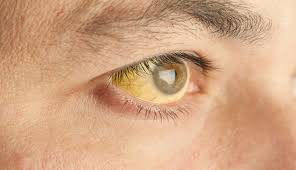
- Jaundice (yellowing of the skin and eyes): Occurs when the tumor blocks the bile duct, causing bilirubin to build up in the body. This may also lead to dark urine and pale-colored stools.
- Abdominal and back pain: Usually begins as mild discomfort or heaviness in the upper abdomen and gradually spreads to the back as the tumor presses on surrounding nerves.
- Unexplained weight loss: Significant weight loss may occur due to decreased appetite and poor nutrient absorption.
- Sudden digestive problems: These may include nausea, vomiting, and fatty diarrhea caused by a lack of digestive enzymes.
- New-onset diabetes: The tumor may damage insulin-producing cells, leading to a sudden increase in blood sugar levels, even without a family history of diabetes.
Symptoms of Pancreatic Cancer in Women
Although pancreatic cancer affects men and women at similar rates, its symptoms in women may sometimes be mistaken for digestive or hormonal disorders. Common signs include:
- Feeling full quickly after eating small amounts of food.
- Abdominal bloating or discomfort.
- Severe, unexplained fatigue that interferes with daily activities.
- Vague pelvic or lower back pain that may be incorrectly attributed to gynecological conditions.
Signs That Pancreatic Cancer Has Spread
When pancreatic cancer spreads beyond the pancreas to organs such as the liver, lungs, or peritoneum, symptoms of advanced disease may develop, including:
- Abdominal swelling caused by fluid buildup (ascites).
- Persistent and severe bone pain if the cancer spreads to the bones.
- Shortness of breath and a chronic cough when the lungs are affected.
- Extreme weakness and physical wasting due to the body's energy being consumed by the cancer.
What Is the Difference Between Pancreatitis and Pancreatic Cancer?
The two conditions share some symptoms, such as abdominal and back pain, but they differ significantly in nature and progression.
Pancreatitis is an acute or chronic inflammatory condition, often caused by gallstones or excessive alcohol consumption. It is typically characterized by sudden, severe pain that requires immediate medical attention.
Pancreatic cancer, on the other hand, is a malignant growth that develops gradually over months. It is commonly associated with ongoing weight loss and jaundice, and the pain tends to worsen progressively rather than improve over time.
Causes and Risk Factors of Pancreatic Cancer
There is no single direct cause of pancreatic cancer, but several factors can significantly increase the risk, including:
- Smoking: One of the strongest risk factors, as tobacco toxins can trigger genetic mutations in pancreatic cells.
- Age: The risk increases significantly after the age of 60.
- Family history and genetics: Inherited mutations, such as the BRCA2 mutation, can raise the likelihood of developing the disease.
- Obesity and lifestyle factors: Excess body weight and diets high in fats and processed meats are associated with increased risk.
- Chronic pancreatitis: Long-term inflammation of the pancreas may contribute to cancer development.
Treatment of Pancreatic Cancer
Treatment depends on the stage of the disease and the patient's overall health. Common treatment options include:
Surgery
Surgery offers the best chance of cure when the cancer is confined to the pancreas. Procedures may include the Whipple procedure, which removes the head of the pancreas along with nearby affected tissues.
Chemotherapy
Chemotherapy uses powerful drugs to destroy cancer cells. It may be administered before surgery to shrink the tumor or after surgery to eliminate remaining cancer cells.
Radiation Therapy
High-energy radiation beams are directed at the tumor to destroy cancer cells, reduce tumor size, and help relieve pain.
Targeted Therapy and Immunotherapy
These newer treatment approaches target specific proteins within cancer cells or stimulate the immune system to attack the tumor.
How Can Pancreatic Cancer Be Prevented?
Although there is no guaranteed way to prevent pancreatic cancer, adopting healthy lifestyle habits can significantly reduce the risk. Doctors recommend:
- Quitting smoking in all forms.
- Maintaining a healthy weight through regular physical activity.
- Following a diet rich in fruits, vegetables, and whole grains while limiting red and processed meats.
- Monitoring blood sugar levels and undergoing regular medical checkups, especially if there is a family history of the disease.
Is Pancreatic Cancer Dangerous?
Yes. Pancreatic cancer is considered one of the most serious forms of cancer because it often develops silently and is frequently diagnosed at an advanced stage after spreading to other organs. This can limit the effectiveness of surgical treatment.
However, medical organizations emphasize that early detection and prompt evaluation of unexplained symptoms can improve treatment outcomes and increase survival rates, thanks to ongoing advances in chemotherapy, targeted therapies, and other treatment options.
Conclusion
Successfully managing pancreatic cancer depends largely on recognizing its symptoms early and seeking medical attention without delay. Regular medical evaluations are especially important when persistent digestive changes, unexplained weight loss, changes in skin color, or sudden blood sugar abnormalities occur. Early diagnosis remains the most important step toward improving treatment outcomes and protecting overall health.
If you still need medical advice regarding this condition, you can easily book an appointment with a doctor through Vezeeta.
Related Keywords



Specialized Doctors

Mohamed Abd Elhamed Hefny
Consultant in Oncology ,Hematology and Nuclear Medicine, Al-Azhar Medicine

Moustafa Abbas
Consultant and MD in Oncology and Nuclear Medicine, Cairo University, Kasr Al-Ainy

Karim Mohamed
Consultant Oncology
References
https://www.mdanderson.org/cancer-types/pancreatic-cancer.html
https://medlineplus.gov/pancreaticcancer.html
https://www.nhs.uk/conditions/pancreatic-cancer/
https://my.clevelandclinic.org/health/diseases/15806-pancreatic-cancer
Specialized Doctors
Mohamed Abd Elhamed Hefny
Consultant in Oncology ,Hematology and Nuclear Medicine, Al-Azhar Medicine
Moustafa Abbas
Consultant and MD in Oncology and Nuclear Medicine, Cairo University, Kasr Al-Ainy
Karim Mohamed
Consultant Oncology