What Are the Advantages and Disadvantages of Fractional Laser?
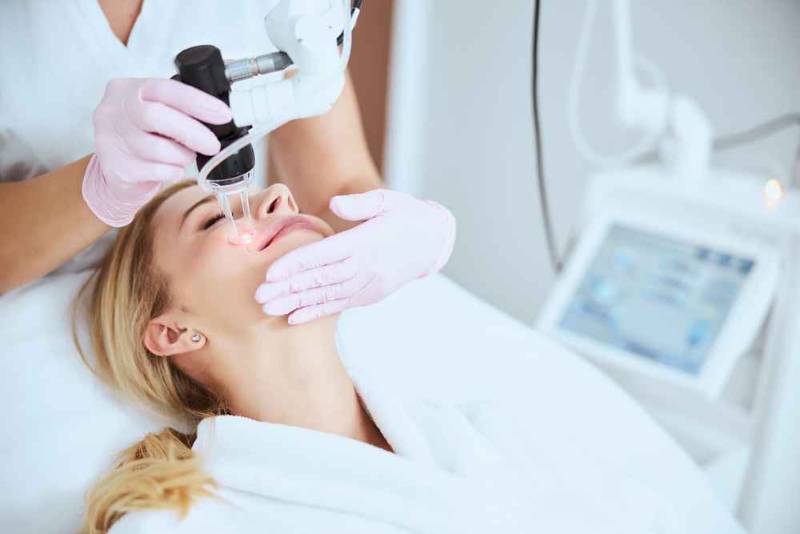
The world of aesthetics witnessed a real revolution with the emergence of Fractional Laser technology, which opened new horizons for treating many stubborn skin problems thanks to its selective and fractional laser application.
In this guide, learn all about the benefits and uses of fractional laser, how much a session costs, and the number of sessions needed to achieve the best results.
What Is Fractional Laser?
Fractional Laser, or fractional skin resurfacing, is a non-surgical cosmetic procedure that involves targeting the skin with tiny beams of laser light. These beams penetrate deep into the skin layers, treating a variety of skin issues.
Its mechanism is similar to photo-editing software that improves images pixel by pixel. Each laser beam is composed of thousands of micro-treatment zones that work harmoniously across different layers of the skin.
There are several types of fractional lasers, including YAG, Fraxel, and CO₂ laser.
What are Benefits of Fractional Laser?
Many people wonder about the advantages of fractional laser for the face and how it compares to other laser types.
Fractional laser bridges the gap between ablative (removes top skin layers) and non-ablative lasers (heats without removing skin), as it effectively targets both the epidermis and dermis simultaneously.
Key uses and benefits of fractional laser include:
- Repairing sun-damaged skin
- Reducing wrinkles and fine lines
- Minimizing acne scars and moderate surgical scars
- Treating skin discoloration due to photoaging
- Reducing stretch marks
- Shrinking large pores and treating overactive sebaceous glands (especially on the nose)
- Evening skin tone and reducing age spots
The laser promotes rapid healing by targeting damaged areas only, leaving surrounding healthy tissue intact.
Who Is a Candidate for Fractional Laser?
Fractional laser is generally safe for most people, but not suitable in the following cases:
- Pregnancy or breastfeeding
- Deep wrinkles
- Severe skin sagging
- Immunocompromised conditions
- Active acne breakouts
- Darker skin tones (due to higher risk of pigmentation issues)
How Does Fractional Laser Work?
Unlike other laser treatments that simply exfoliate the outer layer, fractional laser penetrates deeper to stimulate long-term skin regeneration.
Each laser session targets thousands of tiny treatment zones, reaching deep into the dermis to remodel collagen and address various concerns:
- Pigmentation: Breaks down old pigmented cells between treated zones
- Wrinkles & Scars: Stimulates collagen production in the dermis, improving fine lines and scars
Before and After: What to Expect
Before the Procedure:
- Doctor assesses the skin and determines the appropriate treatment plan
- Photographs are taken for before/after comparison
- Antiviral medication may be prescribed (e.g., Acyclovir) to prevent cold sores
- Skin lightening agents or chemical peels may be recommended for darker skin
Precautions:
- Stop retinoids at least 1 week before
- Avoid sun exposure or tanning beds for 4 weeks before the session
- Avoid using any irritating skincare products
- Inform your doctor about any previous fungal or bacterial infections
Session Details:
- The full-face session takes around 30 minutes
- A topical numbing cream is applied for 45–60 minutes
- The doctor applies a gel for smoother laser movement
- Laser is passed over the treatment area
- A cooling device may be used to reduce discomfort
Patients usually need 4–5 sessions spaced one month apart, with visible results appearing within 3–4 months.
What Does the Face Look Like After?
- Mild pain like sunburn right after the session (for about an hour)
- Swelling for 2–3 days
- Redness lasting 3–5 days
- Skin turns bronze with some peeling (3–14 days) as dead cells are replaced
What are the Aftercare Instructions?
To reduce side effects and speed up healing:
- Use a suitable moisturizer regularly to reduce dryness and peeling
- Apply sunscreen SPF 50+ daily
- Wear protective clothing and hats outdoors
- Apply cold compresses (with 10-minute intervals) within the first 24 hours
- Avoid rubbing or forceful peeling of the skin
- Avoid sweat, pools, direct sun exposure, and smoking
- Take prescribed medications
- Avoid heavy physical activity until healed
When Will You See Results?
- 7–10 days: Initial healing and shedding of dead cells
- 3 weeks: Early improvement becomes visible
- 3–6 months: Final results appear as collagen rebuilds and skin fully heals
Are Fractional Laser Results Permanent?
Results can last a long time with proper care, but not permanent due to aging and environmental factors. To prolong results:
- Hydrate and moisturize your skin regularly
- Limit sun exposure and always use SPF
- Avoid harsh skincare products and excessive makeup
- Eat vitamin-rich foods and drink plenty of water
- Follow a consistent skincare routine
How Much Does a Fractional Laser Session Cost?
Cost depends on various factors:
- Duration and treatment plan
- Clinic location
- Doctor’s experience
- Laser machine used
- Number of sessions
- Additional treatments, if needed
How Long Do Side Effects Last?
Most side effects resolve within a few days. Most patients can resume normal activities immediately, including shaving or using mineral makeup.
What are the Side Effects of Fractional Laser?
Although generally safe, possible side effects include:
- Post-inflammatory hyperpigmentation, especially in darker skin tones
- Flaking or heavy peeling
- Contact dermatitis
- Bacterial or fungal infections
- Acne-like breakouts
- Cold sore flare-ups around the mouth
What are the Alternatives to Fractional Laser?
If fractional laser isn’t suitable, alternatives include:
- Chemical Peels
- Carbon Laser
- PRP Injections (Vampire Facial)
- HIFU (High-Intensity Focused Ultrasound)
- Dermapen (Microneedling)
Finally, Fractional Laser has revolutionized cosmetic dermatology, proving effective in treating stubborn skin concerns once thought difficult to manage. We look forward to continued innovation in this technology to achieve faster, more promising results.
If you still need to consult a doctor regarding this condition, you can easily book an appointment through Vezeeta
Related Keywords
Specialized Doctors



References
Mayo Clinic. Laser skin resurfacing. Available at: https://www.mayoclinic.org/tests-procedures/laser-skin-resurfacing/about/pac-20384622
American Society for Dermatologic Surgery (ASDS). Fractional Laser Resurfacing. Available at: https://www.asds.net/skin-experts/laser-skin-resurfacing
Cleveland Clinic. Laser Skin Resurfacing: Benefits, Risks, and Recovery. Available at: https://my.clevelandclinic.org/health/treatments/21432-laser-skin-resurfacing
American Academy of Dermatology (AAD). Laser treatments for wrinkles and scars. Available at: https://www.aad.org/public/cosmetic/laser-treatments
Healthline. Fractional Laser Treatment for Skin Rejuvenation. Available at: https://www.healthline.com/health/fractional-laser
Specialized Doctors