Vaginismus Doesn’t Mean the End of Intimacy… Here Are the Effective Solutions!
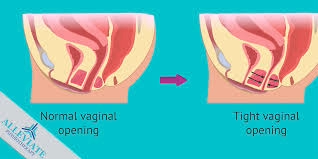
Many women silently struggle with pain during intimacy without knowing the cause—or even that a medical condition is to blame. One such condition is vaginismus, a surprisingly common but often misunderstood issue that affects a woman’s ability to engage in penetrative sex. It’s not about a lack of desire; rather, it’s the body’s involuntary reaction to penetration, which can make intercourse painful or impossible. The good news? Vaginismus is highly treatable with the right support and care. In this article, we’ll explore what vaginismus is, what causes it, how it feels, and the most effective treatment options available today.
What Is Vaginismus?
Vaginismus is a condition in which the muscles around the vaginal opening tighten involuntarily whenever penetration is attempted. This can happen during sexual intercourse, gynecological exams, or even when trying to insert a tampon. These spasms can cause pain, burning, or complete blockage, making penetration either extremely uncomfortable or not possible at all—despite a woman’s desire for intimacy.
what are Causes of Vaginismus?
Vaginismus can be triggered by a range of emotional, psychological, and physical factors, including:
Psychological Causes:
- Fear of pain or negative experiences with sex
- Anxiety or stress surrounding intimacy
- History of sexual abuse or trauma
- Religious or cultural beliefs that create shame around sexuality
- Poor communication or relationship tension with a partner
Physical Causes:
- Vaginal infections or irritation
- Hormonal changes (e.g., menopause, postpartum)
- Pelvic surgeries or childbirth trauma
- Pain disorders such as endometriosis
- Lack of sufficient lubrication
what are Types of Vaginismus?
- Primary Vaginismus:
- The woman has never been able to experience vaginal penetration due to involuntary muscle contractions.
- Secondary Vaginismus:
- The woman was able to have penetrative sex in the past but later develops vaginismus due to trauma, medical issues, or emotional factors.
What are Symptoms of Vaginismus
- Pain or burning during intercourse
- Involuntary tightening of vaginal muscles
- Inability to insert tampons or undergo gynecological exams
- Feeling like penetration is “hitting a wall”
- Avoidance of intimacy due to fear or anticipated pain
- Emotional distress related to sexual activity
How Is It Diagnosed?
Diagnosis typically includes:
- A thorough medical and sexual history
- A gentle pelvic examination, if tolerated
- Assessment to rule out infections or anatomical issues
- Referral to a sex therapist or pelvic floor specialist when appropriate
What are Treatment Options for Vaginismus?
Fortunately, vaginismus is one of the most treatable sexual pain disorders. Treatment usually involves a multidisciplinary approach:
1. Pelvic Floor Physical Therapy
- Focused exercises to help women gain control over their vaginal muscles
- Gradual use of vaginal dilators to desensitize the area
2. Psychological Therapy
- Cognitive Behavioral Therapy (CBT) to address anxiety, trauma, or negative beliefs
- Sex therapy to improve body awareness, communication, and comfort with intimacy
3. Partner Involvement
- Open communication and emotional support from a partner is crucial
- Couples therapy may be helpful when relationship tension is contributing
4. Medical Treatments
- Use of lubricants or vaginal moisturizers to reduce dryness
- In some cases, Botox injections or muscle relaxants may be considered
Emotional Support Is Key
Vaginismus is not something a woman chooses, and it’s not “just in her head.” With patience, empathy, and appropriate medical care, most women overcome it and go on to have comfortable, fulfilling intimate lives. Early diagnosis and open discussions with a supportive healthcare provider can make all the difference.
Conclusion
Vaginismus can feel isolating and frustrating, but you are not alone—and most importantly, you are not without options. If you're experiencing pain during intercourse or difficulty with vaginal penetration, don’t hesitate to speak with a healthcare professional. Effective treatments are available, and recovery is possible with the right help.
If you still need to consult a doctor regarding this condition, you can easily book an appointment through Vezeeta
Related Keywords
Specialized Doctors



References
American College of Obstetricians and Gynecologists (ACOG)
Practice Bulletin on vaginismus: diagnosis and management.
Website: https://www.acog.org/womens-health/faqs/vaginismus
Mayo Clinic – Vaginismus
Overview of causes, symptoms, and treatment options.
Website: https://www.mayoclinic.org/diseases-conditions/vaginismus/symptoms-causes/syc-20354757
National Health Service (NHS) UK
Information about vaginismus and how to seek help.
Website: https://www.nhs.uk/conditions/vaginismus/
UpToDate – Vaginismus
Clinical resource on diagnosis and treatment strategies.
Website: https://www.uptodate.com/contents/vaginismus
World Health Organization (WHO) – Sexual Health and Disorders
Information on sexual dysfunctions including vaginismus.
Website: https://www.who.int/reproductivehealth/topics/sexual_health/en/
Journal Article: "Vaginismus: A Review of Diagnosis and Management"
Journal of Sexual Medicine, 2018; Volume 15, Issue 10, Pages 1323-1334.
DOI: 10.1016/j.jsxm.2018.07.003
Specialized Doctors