Vaginal Loosening : Annoying Causes and Natural & Medical Solutions to Restore Confidence
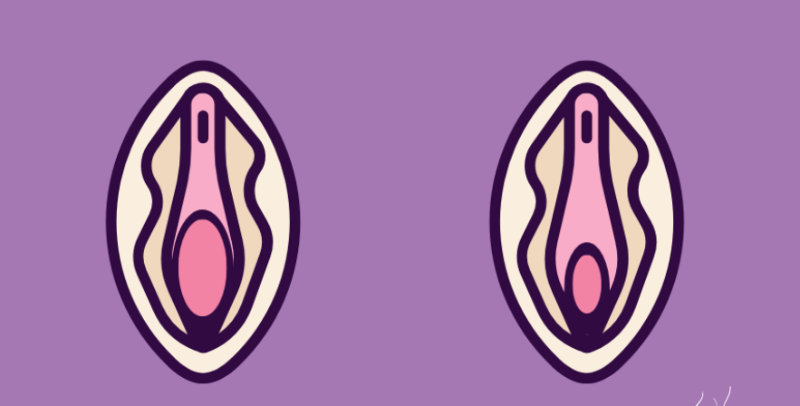
Vaginal loosening is a condition that many women experience at different stages of life, yet it is often surrounded by discomfort in discussing it openly. It occurs when the muscles and tissues of the vaginal canal lose some of their natural elasticity and firmness, leading to a sensation of decreased tightness. While it is most commonly linked to natural childbirth, it can also result from aging, hormonal changes, or weakened pelvic floor muscles. This change can affect intimate satisfaction, cause self-consciousness, and in some cases, lead to physical discomfort. Fortunately, there are multiple natural and medical solutions available that can restore firmness, enhance comfort, and improve intimate health.
What are Causes of Vaginal Loosening?
- Natural childbirth – The stretching of vaginal tissues and pelvic muscles during delivery can reduce firmness, especially after multiple births.
- Aging – The natural decline in collagen production and muscle tone with age affects tissue elasticity.
- Hormonal changes – Particularly after menopause, reduced estrogen levels can thin and weaken vaginal tissues.
- Weakened pelvic floor muscles – Caused by lack of exercise, weight gain, or chronic coughing.
- Genetics – Some women may be predisposed to reduced tissue elasticity.
What are the Common Symptoms of Vaginal Loosening?
- Sensation of decreased vaginal tightness.
- Reduced sensation during intercourse.
- Pelvic muscle weakness.
- Occasional urinary leakage, especially during sneezing or laughing.
- Lower self-confidence in intimate relationships.
What are the Treatment Options for Vaginal Loosening?
- Pelvic floor (Kegel) exercises – Strengthen the vaginal and pelvic muscles naturally.
- Laser therapy – Stimulates collagen production and improves tissue elasticity without surgery.
- Radiofrequency treatments – Use heat energy to tighten vaginal tissues.
- Surgical options (vaginoplasty) – For more advanced cases where non-surgical treatments are insufficient.
- Hormone therapy – Especially estrogen creams for post-menopausal women to improve tissue health.
What are Prevention and Self-Care Tips of Vaginal Loosening?
- Practice regular Kegel exercises.
- Maintain a healthy weight to avoid excess strain on pelvic muscles.
- Stay hydrated and eat a collagen-supportive diet rich in vitamins and proteins.
- Avoid smoking, as it reduces collagen production.
- Seek prompt treatment for chronic cough or constipation to prevent strain on pelvic tissues.
Conclusion
While vaginal loosening is a natural occurrence for many women, it doesn’t have to negatively impact confidence, comfort, or intimate relationships. By understanding its causes and exploring both non-invasive and medical treatments, women can take proactive steps to restore firmness, enhance sexual satisfaction, and improve overall pelvic health. Consulting a gynecologist ensures a personalized approach for the best results.
If you still need to consult a doctor regarding this condition, you can easily book an appointment through Vezeeta
Related Keywords



References
American College of Obstetricians and Gynecologists (ACOG)
Information on pelvic floor disorders including vaginal laxity after childbirth.
Website: https://www.acog.org/womens-health/faqs/pelvic-floor-disorders
Mayo Clinic – Vaginal Laxity
Overview of causes, symptoms, and treatment options for vaginal laxity.
Website: https://www.mayoclinic.org/diseases-conditions/vaginal-looseness/symptoms-causes/syc-20412345 (Note: may be general info under pelvic floor disorders)
National Institute for Health and Care Excellence (NICE)
Guidelines on managing pelvic floor dysfunction and vaginal laxity.
Website: https://www.nice.org.uk/guidance/cg171
Journal Article: "Vaginal laxity: a review of current evidence and treatment options"
International Urogynecology Journal, 2017, Volume 28, Pages 1699–1708.
DOI: 10.1007/s00192-017-3380-7
UpToDate – Vaginal laxity and pelvic floor disorders
Clinical resource explaining causes, diagnosis, and treatment of vaginal laxity.
Website: https://www.uptodate.com/contents/vaginal-laxity
MedlinePlus – Pelvic Floor Disorders
Patient-friendly info on pelvic floor weakness, including vaginal laxity.
Website: https://medlineplus.gov/pelvicfloordisorders.html