Urinary Incontinence: Get Ready for a Life Without Leaks… and Without Worries!
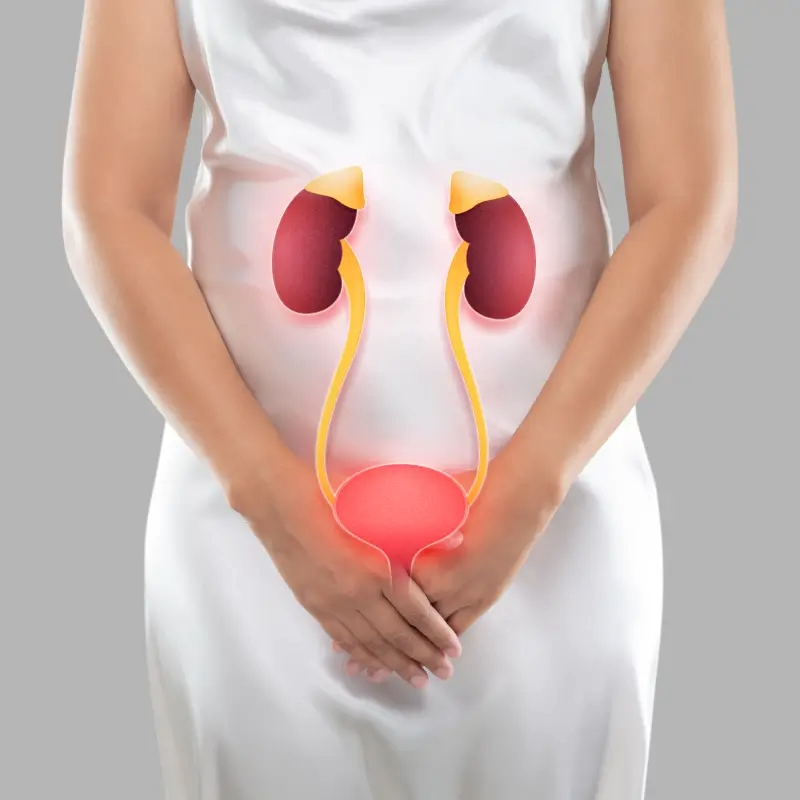
Urinary incontinence—the unintentional leakage of urine—is a common and often distressing condition that affects millions of people worldwide, especially women after childbirth and men with prostate issues. While it can occur at any age, it’s more prevalent with aging and can significantly impact quality of life, self-esteem, and daily activities.
The good news? Urinary incontinence is treatable. Whether it’s mild leakage when sneezing or a strong, sudden urge that’s hard to control, understanding the cause and choosing the right treatment can make a big difference. In this article, we’ll explore the types, causes, risk factors, and modern treatments that help manage and even resolve this condition.
What Is Urinary Incontinence?
Urinary incontinence is the involuntary loss of urine. It can range from occasional minor leaks to frequent, severe episodes. It's not a disease itself but a symptom of an underlying issue in the urinary system or pelvic muscles.
What Are the Types of Urinary Incontinence?
- Stress Incontinence
- Leakage occurs during physical activities that put pressure on the bladder—like coughing, sneezing, laughing, or exercising. It’s most common in women after childbirth or menopause.
- Urge Incontinence (Overactive Bladder)
- A sudden, intense urge to urinate followed by involuntary leakage. It may be caused by nerve problems or bladder irritation.
- Mixed Incontinence
- A combination of stress and urge incontinence symptoms.
- Overflow Incontinence
- Frequent or constant dribbling due to a bladder that doesn’t empty completely—more common in men with prostate enlargement.
- Functional Incontinence
- Caused by physical or mental impairments (like arthritis or dementia) that prevent timely bathroom access.
What Causes Urinary Incontinence?
- Weak pelvic floor muscles (due to childbirth, aging, or surgery)
- Menopause and decreased estrogen levels
- Prostate issues in men (enlargement or surgery)
- Urinary tract infections (UTIs)
- Neurological conditions (e.g., stroke, multiple sclerosis)
- Constipation
- Obesity (increases pressure on the bladder)
- Certain medications (diuretics, sedatives, etc.)
- Caffeine or alcohol (can irritate the bladder)
How Is Urinary Incontinence Diagnosed?
- Medical history review
- Physical exam
- Bladder diary (tracking fluid intake, urination, and leakage)
- Urinalysis (to rule out infection or blood in urine)
- Post-void residual test (measuring urine left after urinating)
- Urodynamic testing (assesses bladder function)
- Pelvic ultrasound or cystoscopy (in some cases)
What Are the Treatment Options for Urinary Incontinence?
1. Lifestyle & Behavioral Changes
- Limit caffeine, alcohol, and spicy foods
- Maintain a healthy weight
- Manage fluid intake
- Timed voiding (urinating on a schedule)
- Bladder training techniques
2. Pelvic Floor Exercises (Kegel Exercises)
- Strengthen the pelvic muscles that control urination
- Especially effective for stress incontinence
3. Medications
- Anticholinergics or beta-3 agonists for urge incontinence
- Topical estrogen for postmenopausal women
- Alpha-blockers or 5-alpha-reductase inhibitors for men with prostate issues
4. Medical Devices
- Pessary (inserted into the vagina to support the bladder)
- Urethral inserts (small devices worn temporarily)
5. Minimally Invasive Procedures & Surgery
- Bladder injections (e.g., Botox) to calm overactive bladder muscles
- Nerve stimulation (sacral neuromodulation or tibial nerve stimulation)
- Sling procedures for stress incontinence
- Artificial urinary sphincter (mostly for men)
Can Urinary Incontinence Be Prevented?
While not always preventable, you can reduce your risk by:
- Practicing Kegel exercises regularly
- Managing chronic conditions like diabetes
- Avoiding bladder irritants (e.g., caffeine, alcohol)
- Staying active and maintaining a healthy weight
- Quitting smoking (which can cause chronic coughing and pelvic strain)
When Should You See a Doctor?
You should consult a healthcare provider if:
- Urine leakage interferes with daily life
- You experience pain, burning, or blood in your urine
- Symptoms start suddenly or worsen over time
- You feel embarrassed or anxious due to bladder control issues
Early diagnosis and treatment often lead to better outcomes and improved quality of life.
Conclusion
Urinary incontinence may feel embarrassing, but it’s a common and manageable condition. With a proper diagnosis and personalized treatment plan, you can regain control of your bladder—and your confidence. From simple exercises to advanced medical therapies, help is available.
If you still need to consult a doctor regarding this condition, you can easily book an appointment through Vezeeta
Related Keywords



References
American Urological Association (AUA)
Guidelines on the diagnosis and treatment of urinary incontinence in adults.
Website: https://www.auanet.org/guidelines/urinary-incontinence
Mayo Clinic – Urinary Incontinence
Overview of types, causes, symptoms, and treatments for urinary incontinence.
Website: https://www.mayoclinic.org/diseases-conditions/urinary-incontinence/symptoms-causes/syc-20352808
National Health Service (NHS) UK
Information on urinary incontinence causes, diagnosis, and treatment.
Website: https://www.nhs.uk/conditions/urinary-incontinence/
UpToDate – Urinary Incontinence in Adults
Clinical resource covering evaluation and management strategies.
Website: https://www.uptodate.com/contents/urinary-incontinence-in-adults
MedlinePlus – Urinary Incontinence
Patient-friendly explanations of urinary incontinence types and treatments.
Website: https://medlineplus.gov/urinaryincontinence.html
Journal Article: "Epidemiology and treatment of urinary incontinence in women"
International Journal of Urology, 2017; Volume 24, Issue 10, Pages 715-721.
DOI: 10.1111/iju.13405