Treatment of Insomnia with Home Remedies and Medications
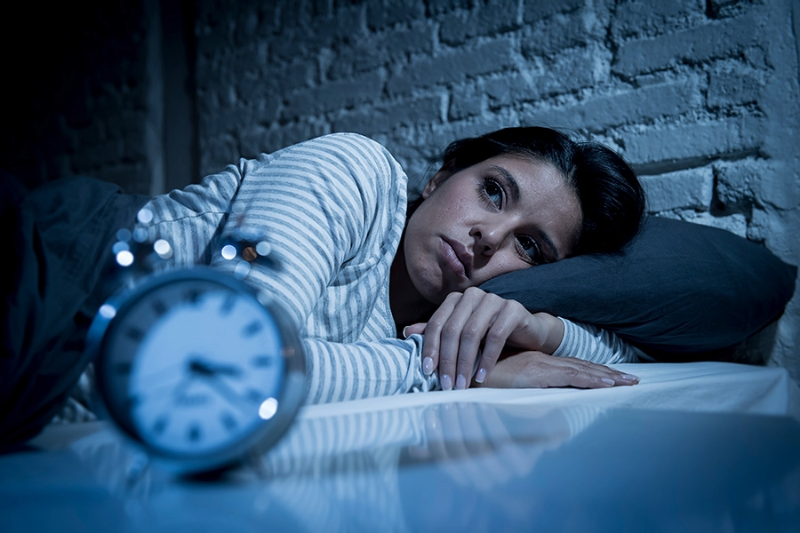
What Should I Do If I Can't Sleep? Can Insomnia Be Treated?
Endless questions and deep psychological and physical distress plague those suffering from insomnia—those who long for even a few hours of restful sleep to help them function normally through daily life. In this article, we present the main causes of insomnia and its treatment using both natural and medical approaches.
What Is Insomnia?
Insomnia is one of the most common sleep disorders that affects sleep quality and deprives a person of the ability to fall or stay asleep. It significantly impacts attention, energy levels, and productivity. Adults typically need 6 to 9 hours of sleep per night to function effectively.
Can Insomnia Be Cured?
Yes, absolutely. Many home remedies can help treat insomnia naturally—especially in newly developed cases. However, in chronic insomnia, these measures may not be enough, and medical consultation and appropriate medications may be necessary.
What is the Treatment of Insomnia and Sleeplessness?
Natural remedies may not always be sufficient to treat severe insomnia. In such cases, professional help may be required, including psychological therapy or medication.
Psychological Treatment for Insomnia
Cognitive Behavioral Therapy for Insomnia (CBT-I) helps patients replace negative sleep-related thoughts with positive ones and correct behaviors that hinder good sleep. It includes:
- Stimulus Control: Training the mind and body to associate the bedroom only with sleep by sticking to a fixed bedtime and leaving the room if sleep doesn't occur within 20 minutes.
- Relaxation Techniques: Using deep breathing and relaxation exercises to calm the mind.
- Sleep Restriction: Limiting time in bed initially and avoiding naps during the day, which may increase sleep drive and improve sleep the following night.
What are the Medications for Insomnia?
Various sleep medications are available, some to help initiate sleep and others to maintain it through the night. These include:
- Temazepam
- Zaleplon
- Eszopiclone
Because these medications may cause side effects, they should only be taken under medical supervision and for short periods, ideally while also applying natural sleep strategies.
Can Melatonin Help with Insomnia?
Melatonin is a natural hormone produced by the brain that regulates the sleep-wake cycle. Taking around 5 mg of melatonin 30 to 120 minutes before bedtime may help promote restful and consistent sleep.
Natural Remedies for Insomnia
You can treat mild insomnia naturally by avoiding triggers and trying several at-home methods.
Herbal and Natural Supplements for Insomnia
Certain herbs and supplements help induce relaxation and improve sleep quality:
- Lavender Oil
- A 2014 study found that lavender oil capsules improved sleep in patients with depression and anxiety. A dose of 20–80 mg daily or using it in a diffuser or pillow spray may help. Lavender tea is also an option, but should be used with caution due to potential side effects such as constipation, nausea, or headaches.
- Chamomile (Matricaria chamomilla)
- A gentle, natural herb useful in treating insomnia, though it should be avoided by people with allergies to daisies or sunflowers.
- Magnesium
- Magnesium helps relax muscles and reduce stress. The recommended daily dose is 300 mg for women and 400 mg for men. Start with a low dose and gradually increase, preferably with meals to reduce gastrointestinal side effects. Stop using it after two weeks for a few days before resuming.
Always consult a doctor before taking herbs or supplements to avoid potential complications.
Adjusting Sleep Habits
Poor sleep hygiene can contribute to insomnia. Improve your sleep routine by:
- Avoiding daytime naps—even when drowsy.
- Going to bed and waking up at the same time daily.
- Avoiding screens (TV, phones) at least two hours before bed.
- Engaging in light reading or calm conversation 15 minutes before sleep.
- Avoiding caffeine, alcohol, and smoking in the evening.
- Removing electronics from the bedroom.
- Keeping the room dark, quiet, and at a comfortable temperature.
Healthy Nutrition and Sleep
Nutrition plays a key role in supporting brain and body functions necessary for quality sleep. To improve sleep:
- Don’t go to bed hungry—have a light snack if needed.
- Avoid heavy meals 2–3 hours before bedtime.
Exercise and Insomnia
All types of exercise, including physical activity and relaxation techniques, can boost mood and improve sleep quality.
Relaxation and Yoga
These practices involve calm, steady breathing and mental relaxation, helping reduce stress and negative thoughts. Just 15 minutes a day, morning or evening, can improve sleep.
Breathing technique example:
- Inhale deeply through the nose for 4 seconds.
- Hold your breath for 7 seconds.
- Exhale slowly through the mouth for 8 seconds.
- Repeat the cycle three times.
Physical Exercise
Regular exercise (about 20 minutes per day) boosts general health and sleep—just avoid exercising less than 4 hours before bedtime.
Massage Therapy
Massage helps relax muscles, relieve stress, and promote better sleep.
What are Common Causes of Insomnia?
Several psychological and physical factors can interfere with sleep, including:
- Nightmares or disturbing dreams.
- Room temperature or environment not suitable for sleep.
- Worrying about a loved one.
- Working shifts or irregular hours that disrupt the body’s biological clock.
- Caffeine intake, stimulants, or prohibited substances.
- Lack of physical activity or exercise.
In Conclusion:
Don't let insomnia take over your life. Eliminate stressors, maintain healthy sleep habits, and seek professional help if needed—so you can enjoy deep, restful sleep once again.
If you still need to consult a doctor regarding this condition, you can easily book an appointment through Vezeeta
Related Keywords



References
National Sleep Foundation. (2023). Insomnia: Symptoms, Causes, and Treatment. Retrieved from https://www.thensf.org
Mayo Clinic. (2023). Insomnia – Diagnosis and treatment. Retrieved from https://www.mayoclinic.org
National Heart, Lung, and Blood Institute (NHLBI). (2022). What Is Insomnia?. Retrieved from https://www.nhlbi.nih.gov
American Academy of Sleep Medicine (AASM). (2023). Patient Education: Insomnia. Retrieved from https://aasm.org
National Institute of Mental Health (NIMH). (2023). Insomnia. Retrieved from https://www.nimh.nih.gov