Tinea (Dermatophytosis): The Annoying Fungal Infection and the Secrets to Getting Rid of It for Good
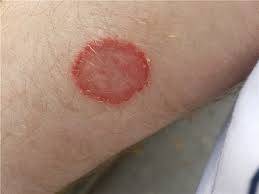
Many people experience red, scaly patches on their skin accompanied by annoying itching, often mistaking them for a minor skin allergy. In reality, these symptoms are commonly caused by a fungal infection known as Tinea or Dermatophytosis.
Tinea is one of the most widespread skin infections and can affect individuals of all ages, especially in hot, humid climates or when personal items are shared.
What is Tinea (Dermatophytosis)?
Tinea, medically known as Dermatophytosis, is a fungal infection that affects the outer layers of the skin, hair, or nails. It is among the most common types of skin infections and is caused by a group of fungi called dermatophytes, which thrive in warm and moist environments.
What are Types of Tinea?
Tinea varies depending on the area of infection and includes:
- Tinea corporis (body ringworm): Appears as red, circular patches with raised edges.
- Tinea pedis (athlete’s foot): Affects the feet, especially between the toes, causing cracks and scaling.
- Tinea cruris (jock itch): Affects the inner thighs and buttocks, commonly in male athletes.
- Tinea capitis (scalp ringworm): Affects the scalp and may lead to hair loss.
- Tinea unguium (nail fungus): Affects the nails, causing them to become thick, discolored, or brittle.
What are Causes of Tinea?
Tinea spreads through:
- Direct contact with an infected person.
- Contact with contaminated surfaces or items (e.g., towels, combs).
- Wearing tight clothing or non-breathable shoes for long periods.
- Excessive sweating or a weakened immune system.
What are Symptoms of Tinea?
- Red or scaly circular patches.
- Intense itching.
- Cracks or sores on the skin.
- Hair loss in the affected area (especially the scalp).
- Discoloration or breakage of nails (if the nails are affected).
How is Tinea Diagnosed?
Diagnosis typically involves a clinical examination. In some cases, the doctor may recommend:
- Scraping a sample of the affected skin for microscopic examination.
- A fungal culture to accurately identify the type of fungus.
What is the Treatment for Tinea?
Treatment depends on the severity and type of infection:
Topical Treatments:
- Antifungal creams or ointments (e.g., clotrimazole, miconazole).
Oral Medications:
- Prescribed for severe cases or infections that do not respond to topical treatments (e.g., scalp or nail infections).
- Common antifungal medications include terbinafine and itraconazole.
Additional Tips:
- Keep the affected area clean and dry.
- Avoid sharing personal items.
- Wear loose, breathable cotton clothing.
What are the Prevention ways of Tinea?
- Thoroughly dry the skin after bathing.
- Wear open footwear in humid public areas (e.g., swimming pools).
- Change socks and underwear daily.
- Avoid sharing towels, combs, or clothing.
- Treat infected pets promptly.
When Should You See a Doctor?
Consult a doctor if:
- The condition doesn't improve after two weeks of home treatment.
- The infection spreads to multiple areas of the body.
- Signs of inflammation, swelling, or pus appear.
Conclusion
Tinea is a common but non-serious fungal infection that can be treated effectively with early diagnosis and proper care. Maintaining good hygiene and avoiding sources of infection are key to preventing its spread and recurrence.
If you still need to consult a doctor regarding this condition, you can easily book an appointment through Vezeeta
Related Keywords
Specialized Doctors



References
Mayo Clinic. Ringworm (Tinea infection).
https://www.mayoclinic.org/diseases-conditions/ringworm
Centers for Disease Control and Prevention (CDC). Ringworm (Tinea).
https://www.cdc.gov/fungal/diseases/ringworm
Cleveland Clinic. Ringworm (Dermatophytosis): Causes, Symptoms & Treatment.
https://my.clevelandclinic.org/health/diseases/4560-ringworm
NHS (National Health Service, UK). Ringworm.
https://www.nhs.uk/conditions/ringworm
MedlinePlus. Ringworm.
https://medlineplus.gov/ringworm.html
Specialized Doctors