Symptoms of Prostatitis and Its Treatment Methods
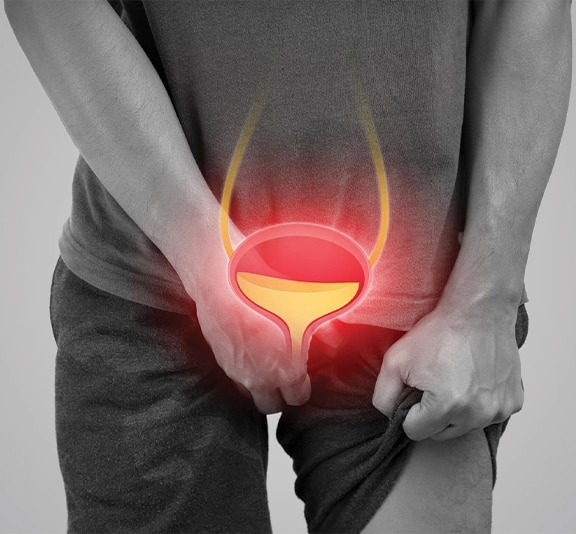
Is prostatitis dangerous?
Prostatitis can indeed pose a significant challenge for many men—not only because of the pain but also due to potential complications such as infertility and other serious health issues. In the following lines, we present a detailed guide covering the causes, symptoms, treatment, and prevention of both mild and advanced prostatitis.
What is Prostatitis?
Prostatitis is one of the most common urinary tract disorders in men, affecting approximately 50% of men at some point in their lives. It results from various causes, with bacterial infection being the second most common trigger. Symptoms can vary significantly from one patient to another.
Is Prostatitis the Same as Prostate Enlargement?
No, there is a clear difference between prostatitis and benign prostatic hyperplasia (BPH), despite the similarity in some symptoms.
- BPH refers to an enlargement of the prostate, usually after age 60, often caused by increased levels of dihydrotestosterone (DHT).
- Prostatitis is inflammation of the prostate, often due to bacterial infection or chronic pelvic pain syndrome.
While prostatitis can often be cured, treatments for BPH typically focus on relieving symptoms rather than reducing prostate size.
What are Types of Prostatitis?
Prostatitis can be classified based on its cause:
Acute Bacterial Prostatitis
Sudden onset of severe symptoms like high fever, chills, painful urination, and frequent urges to urinate. Treated effectively with antibiotics.
Chronic Bacterial ProstatitisGradual development of symptoms over time, such as pelvic discomfort and painful urination. It requires longer treatment periods.
Chronic Pelvic Pain Syndrome (CPPS)
The most common form, accounting for nearly 1 in 3 cases. It causes persistent pelvic, genital, or perineal pain lasting for months or even years.
Asymptomatic Inflammatory Prostatitis
This type shows no symptoms and is usually discovered incidentally during examinations.
What are Symptoms of Prostatitis?
Symptoms vary depending on the type and cause of prostatitis. In non-bacterial cases, symptoms may be absent.
Common symptoms include:
- Burning or pain during urination
- Blood in urine
- Frequent urination
- Pain in the genitals, lower abdomen, or lower back
- Blood in semen
- Cloudy urine
- Interrupted or weak urine stream
- Painful ejaculation and erectile dysfunction
- Fever and chills (in bacterial cases)
What are Causes of Prostatitis?
The prostate is located below the bladder and in front of the rectum. Infections can reach the prostate via:
- The urethra
- Urine backflow (reflux)
- Invasive medical procedures like catheter use or prostate biopsy
Common causes include:
- Urinary catheter use
- Prostate stones
- Bladder infections or stones
- Pelvic trauma
- Urine retention
- Sexually transmitted infections (STIs)
Non-bacterial causes (such as CPPS) may be related to:
- Stress
- Pelvic floor muscle damage
- Autoimmune diseases
- Nerve inflammation in the pelvic area
What are Risk Factors of Prostatitis?
Factors increasing prostatitis risk include:
Bacterial triggers:
- Catheter insertion
- Previous prostate infections
- Urinary tract abnormalities
- Recent bladder infection
- BPH after age 50
CPPS-related triggers:
- Pelvic injuries
- Nerve damage
- BPH after 50
How is Prostatitis Diagnosed ?
Early diagnosis helps reduce symptoms and avoid complications. The doctor may:
- Review symptoms, age, and medical history
- Perform a digital rectal exam (DRE) to check for swelling or tenderness
- Massage the prostate to collect fluid for microscopic analysis
Additional tests:
- Blood test: Measures prostate-specific antigen (PSA) levels, which may rise in prostatitis, BPH, or cancer.
- Urine test: Checks for urinary tract infection.
- Transrectal ultrasound: Detects stones or abscesses, especially in resistant bacterial cases.
- Cystoscopy: Examines the bladder and urethra using a thin tube with a camera.
- Urodynamic tests: Assess urine flow, bladder pressure, and sphincter function.
- Imaging (CT or MRI): Detects abnormalities in the pelvis or prostate.
What is the Treatment of Prostatitis?
Treatment depends on the cause and type:
Non-bacterial prostatitis
Often resolves on its own with home care—no need for medication.
Bacterial prostatitis treatment
- Acute bacterial prostatitis: Antibiotics for 14–30 days, possibly IV antibiotics in severe cases.
- Chronic bacterial prostatitis: Requires 4–12 weeks of antibiotics. Some may need long-term low-dose antibiotics to prevent recurrence.
What is the Treatment of Chronic Pelvic Pain Syndrome (CPPS)?
Doctors use the UPOINT system to tailor treatment based on symptom categories:
- Urinary symptoms: Alpha-blockers like Tamsulosin or Alfuzosin to relax muscles and improve urine flow
- Psychosocial symptoms: Psychotherapy or antidepressants for stress, anxiety, or depression
- Prostate inflammation: Supplements like Quercetin
- Infection: Antibiotics
- Neurological pain: Neuropathic painkillers like Amitriptyline
- Tenderness: Pelvic massage and physical therapy
What are Home Remedies for Prostatitis?
While not a standalone treatment, home care can ease symptoms:
- Avoid spicy, acidic foods and drinks
- Limit caffeine and alcohol
- Stay well hydrated
- Practice Kegel exercises to strengthen pelvic floor muscles
- Take warm baths or apply warm compresses to the lower back
- Use a donut-shaped cushion when sitting to reduce pressure
What are Complications of Prostatitis?
Prostatitis is not cancer, but complications can be serious:
- Sepsis: Bacteria spreading to the bloodstream (life-threatening)
- Inflammation spreading to nearby organs
- Sexual dysfunction
- Prostate abscess
- Infertility due to changes in sperm or semen
- Epididymitis (inflammation of the epididymis)
- Emotional distress such as depression
- Elevated PSA levels, potentially leading to false suspicion of prostate cancer
Conclusion
Prostatitis can have a serious impact on fertility and overall well-being. Early and appropriate treatment is crucial and should never be delayed. The condition can stem from multiple causes and presents with varied symptoms, depending on the underlying type and severity.
Let me know if you’d like this formatted for a website or health blog.
If you still need to consult a doctor regarding this condition, you can easily book an appointment through Vezeeta
Related Keywords


Specialized Doctors

Mohsen Hussien
Dermatology & Andrology Consultant

Medhat kamhawy
Professor of urology, male disease and infertility

Fayek Philip khalil
Consultant in urology, andrology and infertility, in Nasser institute for research and Treatment.
References
Mayo Clinic – Prostatitis (Inflammation of the prostate)
https://www.mayoclinic.org/diseases-conditions/prostatitis
National Institute of Diabetes and Digestive and Kidney Diseases (NIDDK) – Prostatitis: Inflammation of the Prostate
https://www.niddk.nih.gov/health-information/urologic-diseases/prostatitis
Cleveland Clinic – Prostatitis: Causes, Symptoms & Treatment
https://my.clevelandclinic.org/health/diseases/15054-prostatitis
National Health Service (NHS) UK – Prostatitis
https://www.nhs.uk/conditions/prostatitis
MedlinePlus – Prostatitis
https://medlineplus.gov/prostatitis.html
Specialized Doctors
Mohsen Hussien
Dermatology & Andrology Consultant
Medhat kamhawy
Professor of urology, male disease and infertility
Fayek Philip khalil
Consultant in urology, andrology and infertility, in Nasser institute for research and Treatment.