Shingles: Symptoms and Causes
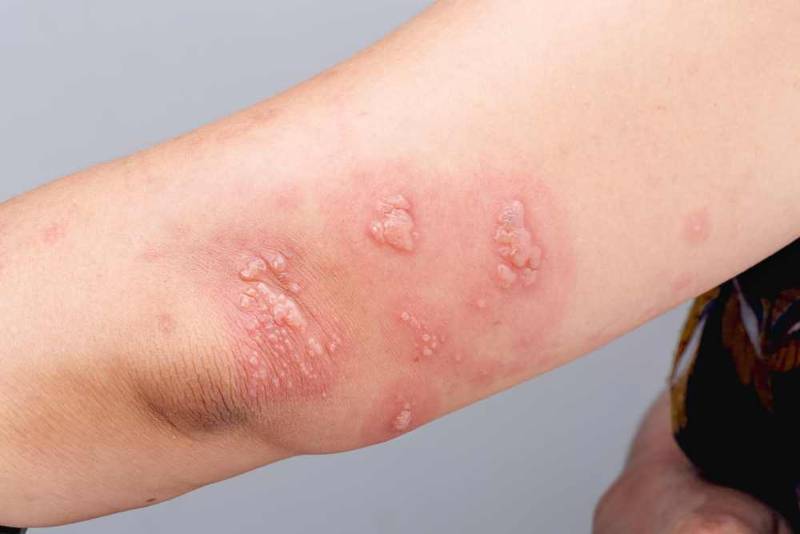
When people hear the term "shingles," it often causes fear and concern, despite its relatively low incidence. The name itself suggests painful and harsh symptoms.
But is shingles contagious? What are its causes and symptoms? And how is it treated? Let’s find out below.
What is Shingles?
Herpes zoster (shingles) is a skin infection characterized by a painful rash, caused by the varicella-zoster virus (VZV).
This is the same virus responsible for chickenpox. In fact, shingles usually occurs after a person has already had chickenpox.
Once the virus enters the body, it causes chickenpox. After recovery, the virus remains dormant in the body, sometimes reactivating later in life to cause shingles.
What are Symptoms of Shingles?
Shingles symptoms usually appear on the face or one side of the body, particularly around the waist. Early signs include pain, burning, and itching of the skin.
Other symptoms appear within a few days, including:
- Rash composed of purple, pink, or gray bumps (in darker skin tones) or red bumps (in lighter skin tones)
- Fluid-filled blisters that develop within 3–4 days and form crusts in 7–10 days, fading over 2–3 weeks
- Fever
- Swollen lymph nodes
- Chills
- Headache
- Stomach discomfort
- Sensitivity to light
- Fatigue
- Redness in the affected area
- Ranging pain from mild to severe in the affected skin
What are Causes of Shingles?
Shingles is caused by reactivation of the varicella-zoster virus. It is most common in people over 50, as immunity weakens with age.
Risk factors include:
- Low immunity due to illness
- Use of immunosuppressive drugs
- Emotional or physical stress
- Previous chickenpox infection
- Not receiving the chickenpox vaccine
Shingles in the Eye
Ocular shingles occur when the virus affects the trigeminal nerve and spreads to the optic nerve, causing symptoms around the eye.
What is the Diagnosis of Shingles?
Doctors diagnose shingles based on medical history, visible symptoms, and the characteristic rash pattern on one side of the body.
The doctor may ask:
- Have you had shingles before?
- When did symptoms start?
- Where is the pain located?
They may also confirm the diagnosis by testing a skin swab or fluid from the blisters.
What is the Duration of Shingles?
Shingles cannot be permanently cured. The virus stays dormant in the body and may reactivate, causing symptoms to recur in different areas.
Medications can help relieve symptoms, and healing typically takes 2 to 6 weeks, depending on severity and response to treatment.
What is the Treatment of Shingles?
Doctors may recommend several steps and medications to relieve pain, reduce inflammation, accelerate healing, and prevent complications.
Starting treatment within 72 hours of symptom onset offers the best results, so early medical attention is key.
Common treatments include:
- Pain relievers and anti-inflammatories
- Antivirals like acyclovir to reduce pain and speed healing
- Anticonvulsants like gabapentin for prolonged nerve pain
- Topical anesthetics like lidocaine to reduce pain
- Antihistamines for itching
- Antibiotics if the rash is infected
- Capsaicin cream to reduce risk of long-term nerve pain
What are Home Remedies of Shingles?
You can ease symptoms and manage the condition at home by:
- Eating vitamin-rich foods (especially A, E, C, and B12)
- Applying cold compresses to affected areas
- Taking cold showers
- Using calamine lotion to soothe itching
- Taking immune-support supplements like lysine (under medical advice)
What are Foods to Avoid with Shingles?
To boost immunity and speed recovery, avoid:
- Processed foods: high in salt, sugar, and inflammatory ingredients
- Alcohol: weakens the immune system
- High-glycemic carbs: like sugary drinks, pastries, and desserts
Is Shingles Contagious?
Shingles itself is not contagious, but the virus can spread from someone with shingles to someone who has never had chickenpox or the vaccine, leading them to develop chickenpox (not shingles).
Transmission occurs through direct contact with fluid from blisters. Risk is low if blisters are covered and dry.
What are the Signs of Recovery of Shingles?
Blisters release fluid, then dry and form scabs within 7–10 days. Scabs fall off within 2–3 weeks.
Pain gradually subsides, and patients reduce use of painkillers and medications.
What are Complications of Shingles?
Potential complications include:
- Postherpetic neuralgia (PHN) – nerve pain lasting months or years
- Hearing loss
- Eye inflammation and vision loss (if the eye is affected)
- Secondary skin infections from bacterial exposure
- Numbness in affected areas
- Brain inflammation (encephalitis)
What are ways of Prevention for Shingles?
To avoid shingles:
- Avoid contact with people who have chickenpox or skin infections
- Get the chickenpox vaccine
- If infected:
- Cover blistered areas
- Don’t touch or scratch lesions
- Wash hands regularly
- Avoid contact with immunocompromised people and those who haven’t been vaccinated
Final Thoughts
Shingles results from reactivation of the varicella-zoster virus, the same virus that causes chickenpox. It leads to a painful rash with fluid-filled blisters, which eventually dry and form crusts over a few weeks.
Timely use of medications can relieve pain, reduce swelling, and help avoid serious complications.
If you still need to consult a doctor regarding this condition, you can easily book an appointment through Vezeeta
Related Keywords
Specialized Doctors

Randa Sedek Abdellatif
Consultant of Allergy and Immunology, Faculty of Medicine, Zagazig University

Nissreen ElSayed ElBadawy
Consultant of Allergy and Immunology, Faculty of Medicine, Zagazig University

Amal Mohamed Habib
consultant of Allergy
References
Mayo Clinic. Shingles — Symptoms and causes. Available at: https://www.mayoclinic.org/diseases-conditions/shingles/symptoms-causes/syc-20353054
Centers for Disease Control and Prevention (CDC). About Shingles (Herpes Zoster). Available at: https://www.cdc.gov/shingles/about/index.html
MedlinePlus Medical Encyclopedia. Shingles. Available at: https://medlineplus.gov/ency/article/000858.htm
Cleveland Clinic. Shingles: Symptoms, Causes & Treatment. Available at: https://my.clevelandclinic.org/health/diseases/11036-shingles
Johns Hopkins Medicine. Shingles (Herpes Zoster). Available at: https://www.hopkinsmedicine.org/health/conditions-and-diseases/shingles
World Health Organization (WHO). Shingles (herpes zoster). Available at: https://www.who.int/news-room/fact-sheets/detail/shingles-%28herpes-zoster%29
Specialized Doctors
Randa Sedek Abdellatif
Consultant of Allergy and Immunology, Faculty of Medicine, Zagazig University
Nissreen ElSayed ElBadawy
Consultant of Allergy and Immunology, Faculty of Medicine, Zagazig University
Amal Mohamed Habib
consultant of Allergy