Sciatica Pain: Causes and Treatment Methods
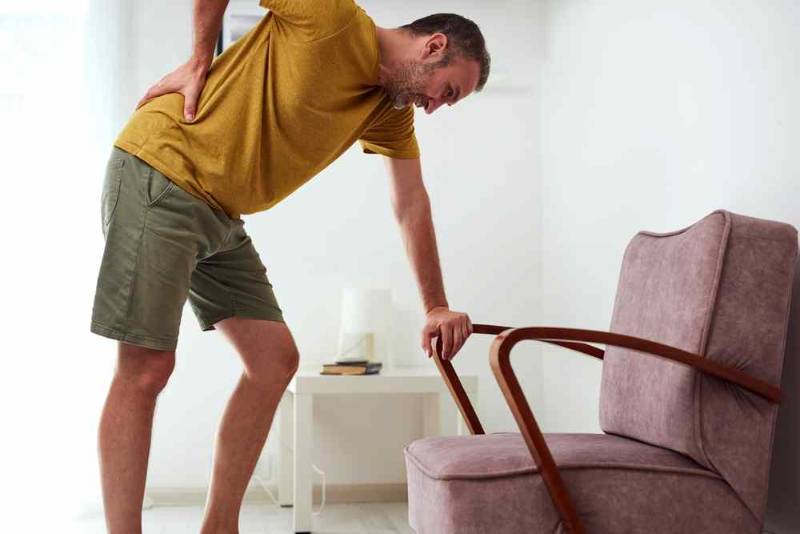
Sciatica occurs when the sciatic nerve, which extends from the end of the spinal cord through the back and buttocks down to the back of the leg, becomes injured or inflamed. Its branches reach all the way to the foot. Sciatica pain is among the most severe types of pain a person can experience, and its causes are linked to various factors. The severity of symptoms varies from person to person. Sciatica can be treated with medications or physical therapy.
What Are the Symptoms of Sciatica?
The sciatic nerve is one of the longest and most important nerves in the body, so its symptoms can appear in multiple areas of the lower body. Patients may experience severe pain in the lower back, pelvis, or behind the thigh, which may extend down the entire leg.
Other possible symptoms include:
- A burning sensation or numbness along the path of the sciatic nerve, which may cause movement weakness in severe cases.
- Painful tingling in the foot or toes.
- Loss of bladder or bowel control in rare cases.
- Increased pain with movement, sneezing, or coughing.
- Redness or swelling in the lower back.
- Elevated body temperature.
What Causes Sciatica Pain?
Sciatica typically affects the left or right leg due to damage to the sciatic nerve or injury to the intervertebral discs, which act as cushions to prevent friction and injury. Common causes include:
- Herniated or slipped disc.
- Degenerative disc disease.
- Inflammation of the nerve roots in the lumbar or sacral region.
- Narrowing of the spinal canal in the lumbar or sacral region.
- Muscle spasms in the buttocks or back.
- Vertebral slippage.
- Piriformis syndrome, caused by sudden contraction of the piriformis muscle putting pressure on the sciatic nerve.
- Osteoporosis.
- Conus medullaris syndrome.
- Cauda equina syndrome.
What are Risk Factors of Sciatica?
Certain factors increase the risk of sciatica, including:
- Pregnancy.
- Obesity.
- Aging.
- Diabetes.
- Smoking.
- Lack of physical fitness.
- Wearing high heels or carrying heavy objects.
- Jobs that require prolonged standing, bending, or driving.
What are Types of Sciatica?
Sciatica is mainly classified into two types:
- True Sciatica: Results from injury to the sciatic nerve itself.
- Sciatica-like Conditions: Result from injuries to surrounding areas that negatively affect the sciatic nerve.
How Is Sciatica Diagnosed?
A thorough medical and family history is the first step. The doctor may ask:
- Where do you feel the pain?
- Have you had any previous back injuries?
- How does the pain feel?
- Is the pain constant or intermittent?
- Do you have any spinal or vertebral issues?
Next, a physical exam evaluates muscle strength and flexibility. Certain movements like walking or leg raises may increase or decrease pain. Additional imaging may include:
- Sciatic nerve tests to assess signal transmission.
- X-rays.
- CT scans.
- MRI.
How Is Sciatica Treated?
If you experience mild pain, home remedies can relieve discomfort and improve mobility. Severe cases may require medical attention.
Home Treatment:
- Cold Compresses: Reduce pain and swelling. Apply an ice pack wrapped in a towel for 20 minutes several times daily.
- Heat Therapy: Apply a warm compress for 20 minutes multiple times daily after cold therapy. Alternating can help if pain persists.
- Exercise: Gentle stretching and aerobic exercises improve flexibility and relax muscles.
- Pain Relievers: NSAIDs can help reduce pain and inflammation.
Physical Therapy for Sciatica
Stretching exercises are effective in relieving sciatica if done properly. Examples include:
- Gluteal Squeeze: Lie on your stomach, place a small pillow under your abdomen, squeeze your glutes for 5 seconds, then relax. Repeat 3–6 times.
- Supine Pelvic Stretch: Lie on your back, knees bent, feet on the floor. Bring one knee toward the chest while keeping the other leg relaxed. Hold 5 seconds and repeat with the other leg.
- Side-Lying Pelvic Stretch: Lie on one side with knees slightly bent. Move the top leg slowly toward the chest, keeping hips and knees aligned. Repeat on both sides.
- Knee-to-Shoulder Stretch: Lie on your back, legs straight. Move one knee across the body toward the opposite shoulder, holding 30–45 seconds. Alternate legs 3–4 times.
- Supine Pelvic Rotation: Lie on your back, knees bent, feet on the floor. Slowly rotate knees to one side while keeping shoulders grounded. Hold 15 seconds, repeat 3–6 times on both sides.
What are Medications for Sciatica?
Always consult a doctor before taking any medications. Commonly recommended options include:
- Muscle relaxants.
- Pain relievers.
- Antidepressants.
- Corticosteroids.
- Steroid injections: Administered around nerve roots to relieve severe pain.
When Is Surgery Necessary?
Surgery may be required if medications and exercises fail or if there is:
- Loss of bladder or bowel control.
- Inability to move properly.
Surgical options include:
- Removal of herniated disc material.
- Partial removal of vertebral structures causing nerve pressure.
What is the Recovery Time of Sciatica?
Recovery depends on symptom severity, cause, and treatment type. Many cases resolve within 6–8 weeks without surgery. Severe cases may require medications, physical therapy, or surgery, extending recovery to several weeks or months.
Conclusion
Sciatica can cause severe pain, but early intervention, proper treatment, and preventive measures can relieve discomfort, prevent complications, and improve quality of life.
If you still need to consult a doctor regarding this condition, you can easily book an appointment through Vezeeta
Related Keywords
Specialized Doctors

Gamal Diaa
Consultant Neurologist at Armed Forces Hospitals

Aly Gaber
Consultant and Lecturer of Neurology and Cerebral Catheterization at the Faculty of Medicine, Mansoura University

Ahmad Abd Elmordy
Specialist and Assistant Lecturer of Neurology and Spine Medicine at college of medicine.
References
Mayo Clinic — Sciatica
https://www.mayoclinic.org/diseases-conditions/sciatica/symptoms-causes/syc-20377435
Cleveland Clinic — Sciatica: Causes, Symptoms & Treatments
https://my.clevelandclinic.org/health/diseases/22252-sciatica
National Institute of Neurological Disorders and Stroke (NINDS) — Sciatica Information
https://www.ninds.nih.gov/health-information/patient-caregiver-education/sciatica
Johns Hopkins Medicine — Sciatica
https://www.hopkinsmedicine.org/health/conditions-and-diseases/sciatica
MedlinePlus — Sciatica
https://medlineplus.gov/sciatica.html
Specialized Doctors
Gamal Diaa
Consultant Neurologist at Armed Forces Hospitals
Aly Gaber
Consultant and Lecturer of Neurology and Cerebral Catheterization at the Faculty of Medicine, Mansoura University
Ahmad Abd Elmordy
Specialist and Assistant Lecturer of Neurology and Spine Medicine at college of medicine.