Pseudopregnancy(False Pregnancy) : When Symptoms Deceive You… The Truth Behind the Illusion
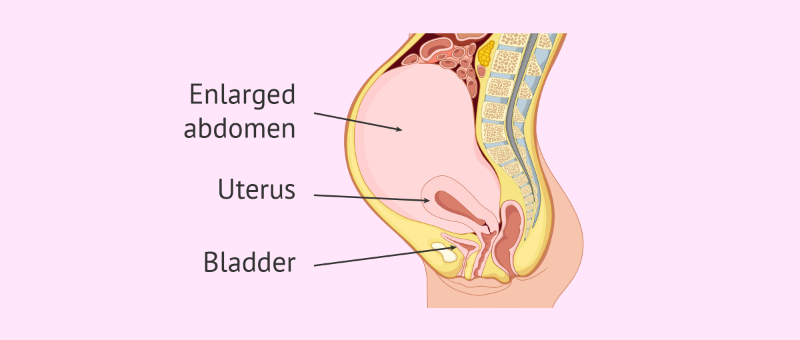
False pregnancy—also known as pseudopregnancy or pseudocyesis—is a rare but deeply emotional condition in which a woman firmly believes she is pregnant and even develops many of the physical symptoms of pregnancy, despite the absence of a fetus.
This phenomenon has puzzled the medical world for centuries. While it is not a physical pregnancy, the symptoms can feel incredibly real. From missed periods and morning sickness to weight gain and even sensations of fetal movement, the body can mimic many signs of a true pregnancy.
In this article, we’ll explore what causes false pregnancy, the most common symptoms, how it’s diagnosed, and what treatment options are available to help those affected.
What Is False Pregnancy?
False pregnancy is a condition where a person (typically a woman of reproductive age) believes she is pregnant and shows many physical signs of pregnancy—without actually being pregnant.
Although it’s rare, it can happen to women of any age, and sometimes even to men (in extremely rare cases, as part of Couvade syndrome or “sympathetic pregnancy”).
What Are the Causes of False Pregnancy?
While the exact cause is not fully understood, researchers believe that a combination of psychological and hormonal factors plays a major role.
Here are some contributing factors:
- Strong desire or fear of pregnancy (especially after infertility, miscarriage, or menopause)
- Emotional stress or trauma
- Depression or mental health conditions
- Hormonal imbalances that affect the menstrual cycle and physical sensations
- Brain signals misinterpreting hormonal changes, leading the body to simulate pregnancy
The mind-body connection is powerful. When a woman is psychologically convinced she is pregnant, her body may respond by producing physical signs in alignment with that belief.
Symptoms of False Pregnancy
The symptoms of pseudopregnancy can be very similar to those of a true pregnancy, and may include:
- Missed menstrual periods
- Nausea or morning sickness
- Enlarged or tender breasts
- Weight gain
- Abdominal bloating or distention
- Sensation of fetal movement (quickening)
- Changes in appetite
- Fatigue
- Breast milk secretion (in some cases)
These symptoms can persist for weeks or even months, further reinforcing the belief that the person is pregnant.
How Is False Pregnancy Diagnosed?
Diagnosis usually involves:
- Medical history and physical exam – to evaluate symptoms and beliefs.
- Pregnancy test (urine or blood) – which will show negative results.
- Pelvic examination – to assess for signs of pregnancy.
- Ultrasound scan – the most definitive way to confirm the absence of a fetus or pregnancy sac.
Once pregnancy is ruled out, the doctor can begin to explore underlying psychological or hormonal causes.
Treatment for False Pregnancy
Because false pregnancy often stems from emotional or psychological factors, treatment usually focuses on mental and emotional support, and may include:
- Psychological counseling or therapy – to address emotional distress, past trauma, or unfulfilled maternal desires.
- Support groups – especially helpful for women coping with infertility or loss.
- Hormonal treatment – if hormonal imbalances are found.
- Empathetic medical care – reassurance and gentle communication are crucial in helping the patient accept the diagnosis.
It’s important that individuals with pseudopregnancy receive compassionate care. Dismissing their experience as “all in their head” can worsen their emotional state.
Can False Pregnancy Happen More Than Once?
Yes, although it's rare. Women who have experienced pseudopregnancy are more likely to experience it again if the underlying psychological or hormonal causes aren't addressed.
Conclusion
False pregnancy is a complex and emotional condition where the mind and body intertwine in profound ways. While there is no baby, the physical symptoms are real and distressing. The good news is that with the right support, understanding, and care—both emotionally and medically—recovery is entirely possible.
If you still need to consult a doctor regarding this condition, you can easily book an appointment through Vezeeta
Related Keywords



References
American Pregnancy Association
Information on false pregnancy symptoms, causes, and diagnosis.
Website: https://americanpregnancy.org/healthy-pregnancy/pregnancy-complications/false-pregnancy/
Mayo Clinic – Pseudocyesis (False Pregnancy)
Overview of symptoms, psychological causes, and treatment of pseudopregnancy.
Website: https://www.mayoclinic.org/diseases-conditions/pseudocyesis/symptoms-causes/syc-20352306
National Health Service (NHS) UK
Explanation of false pregnancy and how it differs from actual pregnancy.
Website: https://www.nhs.uk/conditions/false-pregnancy/
UpToDate – Pseudocyesis
Clinical resource detailing causes, diagnosis, and management of false pregnancy.
Website: https://www.uptodate.com/contents/pseudocyesis
World Health Organization (WHO) – Mental Health and Pregnancy
Information about psychological conditions during pregnancy including pseudopregnancy.
Website: https://www.who.int/mental_health/maternal-child/maternal_mental_health/en/
Journal Article: "Pseudocyesis: A Review"
Obstetrics and Gynecology International, 2017; Article ID 5218396.
DOI: 10.1155/2017/5218396