Pressure Ulcers (Bedsores): The Silent Wounds That Threaten Patient Health
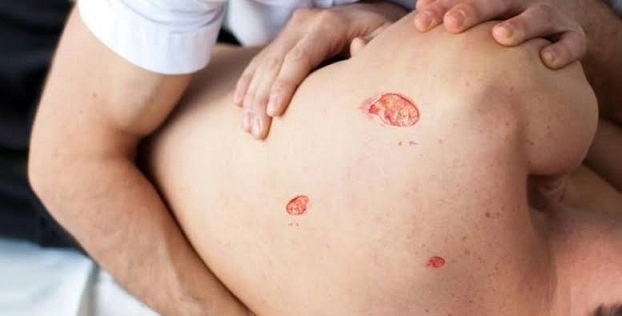
What may start as a simple red patch on the skin can quickly turn into a serious health problem known as pressure ulcers or bedsores. These wounds typically develop in bedridden or immobile patients due to constant pressure on certain areas of the body, which blocks blood flow and damages the skin and underlying tissue. Although pressure ulcers are common in hospitals and care homes, they can often be prevented with proper care and early attention. In this article, we’ll explore the causes, stages, warning signs, and the most effective treatments and prevention strategies for pressure ulcers.
What Are Pressure Ulcers?
Pressure ulcers, also called bedsores or pressure sores, are areas of skin and tissue damage caused by prolonged pressure, friction, or shearing forces. This pressure reduces blood flow to the affected area, leading to cell death and open wounds. These ulcers often occur over bony areas like the heels, hips, tailbone, and elbows.
Who Is Most at Risk?
- Bedridden or wheelchair-bound patients.
- Elderly individuals.
- Patients with paralysis or spinal cord injuries.
- People with diabetes or poor circulation.
- Individuals with malnutrition or dehydration.
What Causes Pressure Ulcers?
- Prolonged Pressure: Reduces blood supply to tissues.
- Friction: When skin rubs against bedding or clothing.
- Shearing: When skin moves in one direction and the bone in another (e.g., sliding down in bed).
- Moisture: Sweat, urine, or feces can irritate and weaken the skin.
What are Stages of Pressure Ulcers?
- Stage 1: Redness without open skin; area may feel warm, painful, or itchy.
- Stage 2: Superficial wound or blister on the skin.
- Stage 3: Deep wound extending into the fat layer.
- Stage 4: Severe damage reaching muscle, bone, or tendons.
What are Symptoms and Early Signs of Pressure Ulcers?
- Persistent redness that doesn’t fade when pressed.
- Pain, burning, or discomfort in the area.
- Changes in skin texture or color.
- Swelling or foul-smelling discharge.
- In advanced stages: open wounds, pus, or signs of infection.
How is Pressure Ulcers Diagnosed?
Diagnosis is typically based on a physical examination and assessment of the location and severity of the wound.
In some cases, lab tests or wound cultures may be needed to check for infection.
What are Treatment Options for Pressure Ulcers?
1. Wound Care:
- Regular cleaning with saline solution.
- Applying the right type of dressing (gel, foam, hydrogel, etc.).
2. Topical Treatments & Antibiotics:
- Antibacterial or steroid creams.
- Oral or IV antibiotics if infection is present.
3. Pressure Relief:
- Repositioning the patient every 2 hours.
- Using medical mattresses, air cushions, or foam pads.
4. Surgical Intervention:
- In advanced cases, surgical removal of dead tissue or skin grafting may be necessary.
How to Prevent Pressure Ulcers?
- Change body position regularly (every 2 hours).
- Use pressure-relieving devices like air mattresses and cushions.
- Keep the skin clean and dry.
- Moisturize the skin daily to avoid dryness.
- Ensure a balanced diet and adequate hydration.
- Regular follow-up with a healthcare team.
Conclusion
Pressure ulcers are more than just skin problems—they can lead to serious health complications if left untreated. Fortunately, they’re highly preventable with simple daily practices such as repositioning, skin care, and proper nutrition. With early detection and consistent medical care, pressure ulcers can be managed effectively, improving the patient’s quality of life.
If you still need to consult a doctor regarding this condition, you can easily book an appointment through Vezeeta
Related Keywords
Specialized Doctors



References
Mayo Clinic – Bedsores (Pressure ulcers)
https://www.mayoclinic.org/diseases-conditions/bed-sores
NHS – Pressure ulcers
https://www.nhs.uk/conditions/pressure-sores
Cleveland Clinic – Pressure Sores
https://my.clevelandclinic.org/health/diseases/12048-bedsores-pressure-sores
American Academy of Dermatology (AAD) – Pressure ulcers
https://www.aad.org/public/diseases/a-z/pressure-ulcers
World Health Organization (WHO) – Pressure ulcer prevention
https://www.who.int/news-room/fact-sheets/detail/pressure-ulcer-prevention
Specialized Doctors