

Pantopy 40 mg tablets: uses, side effects, precautions and price
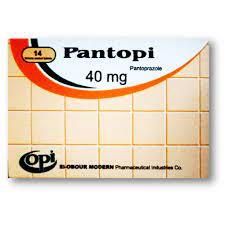
What is Pantopy and what does it contain
Pantopy is a brand of pantoprazole. Pantopy 40 mg 14 tablets on Vezeeta Pharmacy lists pantoprazole as the active ingredient.
Pantoprazole belongs to proton pump inhibitors, or PPIs. These medicines reduce the final step of stomach acid secretion. Lower acid levels may relieve heartburn, sour taste, regurgitation, upper abdominal burning, and help acid-irritated tissue in the esophagus or stomach heal.
Difference between Pantopy 20 and Pantopy 40
Pantopy 20 and Pantopy 40 are different strengths of pantoprazole. The suitable strength depends on the diagnosis, symptom pattern, previous response, other medicines, and the doctor’s treatment plan. A stronger tablet is not automatically better for every patient.
What is Pantopy used for
Pantopy is used for acid-related digestive conditions such as GERD, erosive esophagitis, acidity-related indigestion, stomach or duodenal ulcers, and ulcer prevention in selected patients who need anti-inflammatory painkillers. It may also be prescribed with antibiotics as part of an H. pylori regimen; it is not used alone to eradicate the infection.
Medical assessment is important if symptoms are severe, recurrent, or associated with vomiting blood, black stools, anemia, unexplained weight loss, difficulty swallowing, persistent vomiting, or chest pain. You can book a Gastroenterology and Endoscopy doctor through Vezeeta to confirm the cause and treatment plan. Vezeeta also has Arabic articles about gastroesophageal reflux disease and H. pylori symptoms and treatment.
Pantopy dosage and how to use it
Pantopy may be used for a short course, repeated courses, or longer treatment in chronic or recurrent acid-related disease. The treating doctor determines the appropriate dose based on the diagnosis, response to treatment, other medicines, and the patient's clinical condition.
Do not increase the amount, add extra tablets, switch between Pantopy 20 and Pantopy 40, or extend treatment without medical advice. If symptoms continue, the right step is reassessment rather than simply taking more medicine. For an individualized plan, you can use Vezeeta Gastroenterology telehealth.
Swallow the delayed-release tablet whole with water. Do not crush, chew, or split it unless a pharmacist confirms that the specific product can be handled that way, because damaging the coating may affect how the medicine works.
Before or after food
Pantopy is generally taken before food, commonly before a meal, because PPIs work best when timed before meal-stimulated acid production. If your prescription gives a different timing, follow it.
Missed dose
If you forget a dose, follow your prescription instructions or ask your pharmacist. Do not double doses to make up for a missed one unless your doctor specifically tells you.
How long does Pantopy take to work
Some people feel heartburn improvement within the first few days, but healing inflammation and achieving full symptom control can take longer. Pantopy is not the same as an antacid, which neutralizes acid quickly. If rapid relief is needed, ask whether an antacid or alginate is suitable with your plan.
What are the side effects of Pantopy
Common side effects of pantoprazole may include headache, diarrhea, nausea, abdominal pain, vomiting, gas, dizziness, constipation, or mild rash. Not everyone develops side effects.
Longer or repeated use may be associated with low magnesium, vitamin B12 deficiency, certain intestinal infections, kidney inflammation, fundic gland polyps, and a higher fracture risk in susceptible patients. These risks do not mean everyone should avoid Pantopy, but long-term use should have a clear reason and medical review.
Seek urgent help for swelling of the face or throat, breathing difficulty, severe rash, blistering or peeling skin, severe watery or bloody diarrhea, severe abdominal pain, yellow skin or eyes, reduced urination, fainting, black stools, or vomiting blood.
Contraindications and precautions
Do not use Pantopy if you have had a serious allergy to pantoprazole, any ingredient in the product, or another PPI such as omeprazole, esomeprazole, lansoprazole, or rabeprazole. Pantoprazole is contraindicated with medicines containing rilpivirine.
Use with medical assessment if you have severe liver disease, kidney problems, osteoporosis risk, low magnesium, lupus, a previous severe skin reaction to a PPI, unexplained weight loss, anemia, difficulty swallowing, persistent vomiting, black stools, or new symptoms after middle age.
Pantopy drug interactions
Tell your doctor and pharmacist about all medicines and supplements. Important interactions may involve rilpivirine-containing HIV medicines, atazanavir, nelfinavir, methotrexate, warfarin or other anticoagulants, digoxin, diuretics that may reduce magnesium, mycophenolate mofetil, and medicines whose absorption depends on stomach acidity such as ketoconazole, itraconazole, posaconazole, erlotinib, and some iron products.
Pantoprazole may also affect some tests, including chromogranin A testing and occasional false-positive urine screening results for THC.
Pantopy during pregnancy and breastfeeding
During pregnancy, Pantopy should be used only when a doctor decides it is appropriate. Do not start it only because heartburn is common in pregnancy; lifestyle measures and pregnancy-specific choices may be considered first.
During breastfeeding, pantoprazole may be considered when clinically needed, but the decision should be individualized, especially if the baby is premature or has medical problems.
Can Pantopy be taken every day and long term
Some patients are prescribed Pantopy daily for a limited period, while others with recurrent GERD, ulcer risk, or complicated acid-related disease may need longer treatment. The treating doctor determines whether treatment should continue, change, or stop.
For long-term plans, the doctor should review the ongoing need, the most suitable treatment strategy, and whether tests or lifestyle changes are needed. You can discuss this with a Gastroenterology specialist on Vezeeta.
What are the alternatives to Pantopy
Alternatives depend on the diagnosis. Other PPIs include omeprazole, esomeprazole, lansoprazole, and rabeprazole. Other options may include H2 blockers, antacids, alginates, H. pylori eradication regimens, and lifestyle measures such as smaller meals, avoiding late meals, reducing trigger foods, weight management, and elevating the head of the bed when appropriate.
Pantopy price in Egypt
The price of Pantopy in Egypt may vary by strength, pack size, availability, and pharmacy updates. For the current price of a strip or pack, check the verified Pantopy 40 mg 14 tablets page on Vezeeta Pharmacy. If you are searching for Pantopy 20 price, compare the exact strength and pack size.
Frequently asked questions
What is Pantopy 40?
Pantopy 40 is a pantoprazole 40 mg tablet used to reduce stomach acid in conditions such as GERD, acidity, ulcers, and some H. pylori regimens.
What is Pantopy 20?
Pantopy 20 is a lower-strength pantoprazole product. The doctor chooses the strength according to the condition and treatment goal.
What is Pantopy used for?
It is used for acid reflux, heartburn, erosive esophagitis, peptic ulcers, selected ulcer prevention, and H. pylori regimens when prescribed.
Should Pantopy 40 be taken before or after food?
It is generally taken before food unless your doctor or pharmacist gives different instructions.
Should Pantopy 20 be taken before or after food?
The same general timing applies: before food is commonly preferred, but the prescription should be followed.
How many times a day is Pantopy 40 taken?
The frequency must be determined by the treating doctor because plans differ for reflux, ulcers, and H. pylori treatment.
Can Pantopy be used for H. pylori?
Yes, it may be part of treatment, but it is combined with antibiotics and does not eradicate H. pylori alone.
Does Pantopy treat colon pain?
No. Pantopy reduces stomach acid and is not a direct treatment for irritable bowel syndrome or colon pain.
Can Pantopy cause diarrhea?
Yes. Severe, persistent, or bloody diarrhea needs medical advice.
Can I take Pantopy with antacids?
Sometimes, but ask your pharmacist or doctor about timing and suitability.
Is Pantopy safe for long-term use?
It can be used long term when medically justified, but ongoing use should be reviewed by a doctor.
What if Pantopy does not improve symptoms?
Do not increase the dose on your own. See a doctor to confirm the diagnosis and decide whether tests or another plan are needed.
Medical disclaimer
This article is for medical education only and does not replace a doctor’s diagnosis, pharmacist’s advice, or the patient information leaflet supplied with the medicine. Do not start, stop, change, or repeat Pantopy without medical advice, especially during pregnancy, breastfeeding, childhood, chronic illness, or when using other medicines.
Specialized Doctors

Mirella Sherif naseef
-Consultant of hepatogastroentrology faculty of medicine-elkasr Alainy,MD of hepatogastroentrology and infectious disease - cairo university, member of the royal college of physiscians-London.

Gamal Mansour
Specialist in internal diseases, gastroenterology,digestive system and liver diseases- Kasr Al-Aini - Cairo University

khaled El Hamaky
Gastro and Internal Medicine Specialist
References
- https://www.drugs.com/pro/pantoprazole.html
- https://www.drugs.com/monograph/pantoprazole.html
- https://www.drugs.com/tips/pantoprazole-patient-tips
- https://www.drugs.com/sfx/pantoprazole-side-effects.html
- https://www.drugs.com/pregnancy/pantoprazole.html
Specialized Doctors
Mirella Sherif naseef
-Consultant of hepatogastroentrology faculty of medicine-elkasr Alainy,MD of hepatogastroentrology and infectious disease - cairo university, member of the royal college of physiscians-London.
Gamal Mansour
Specialist in internal diseases, gastroenterology,digestive system and liver diseases- Kasr Al-Aini - Cairo University
khaled El Hamaky
Gastro and Internal Medicine Specialist


