Panadol Sinus Relief PE uses, dosage, side effects and price in Egypt
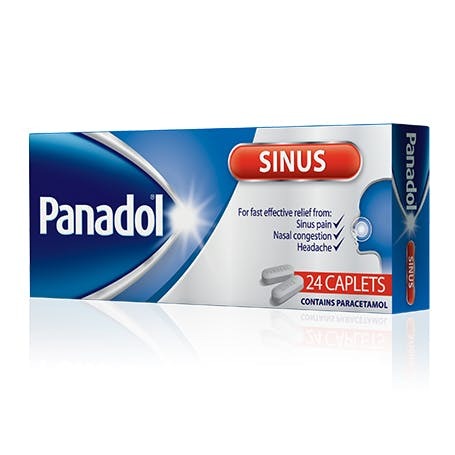
What is Panadol Sinus Relief PE and what does it contain
Panadol Sinus Relief PE, also searched as Panadol Sinus, Banadol Sinus, بنادول ساينس and بانادول ساينس, is a combination medicine for sinus-related pain and nasal congestion. You can review the verified product listing here: Panadol Sinus Relief PE 24 Tablets on Vezeeta Pharmacy.
It contains paracetamol, also known as acetaminophen, to relieve pain and reduce fever, plus phenylephrine, a decongestant intended to ease nasal stuffiness. It is not an antibiotic and does not cure bacterial sinusitis, nasal polyps or chronic allergic inflammation.
| FeatureDetails | |
| Brand | Panadol Sinus Relief PE |
| Active ingredient | Paracetamol (acetaminophen) + phenylephrine |
| Strength discussed | 500 mg paracetamol + 5 mg phenylephrine per tablet |
| Form | Oral tablets, 24-tablet box |
| Main use | Short-term relief of sinus pain, headache and nasal congestion |
What is Panadol Sinus Relief PE used for
Panadol Sinus is used for temporary relief of sinus pain, facial pressure, headache, feverish aches and blocked nose related to colds, flu-like illnesses, hay fever or upper-respiratory congestion. It may make you feel more comfortable while the underlying viral illness improves.
If sinus pain is severe, recurrent, linked to high fever, eye swelling, shortness of breath or thick discharge that keeps worsening, do not depend on painkillers alone. You can book an ENT doctor on Vezeeta for assessment. For more background on symptoms, you may also read about sinusitis symptoms and home care on Vezeeta.
Panadol Sinus Relief PE dosage and how to use it
Follow the pack instructions or pharmacist’s advice. For adults and adolescents aged 12 years and older, the listed dose for this pack is 1 to 2 tablets every 4 to 6 hours when needed. Do not take more than 8 tablets in 24 hours, and do not combine it with any other medicine containing paracetamol or acetaminophen.
Swallow the tablets with water. It can generally be taken with or without food, but taking it after a light meal may reduce nausea or stomach upset. Avoid alcohol while using it, because alcohol increases the risk of liver harm from paracetamol. If you have liver disease, heavy alcohol use, kidney disease or take regular medicines, ask a healthcare professional before using it.
This medicine is usually taken only when symptoms are present. If you miss a dose, take it when needed while respecting the spacing and daily limit. Do not double the next dose.
How long does Panadol Sinus Relief PE take to work
Paracetamol often starts reducing pain or fever within about 30 to 60 minutes. Congestion relief may also be noticed during the same general period, but phenylephrine response varies, and some people may not feel strong decongestion. If symptoms do not improve, avoid taking extra tablets beyond the recommended dose.
What are the side effects of Panadol Sinus Relief PE
Possible side effects include nausea, diarrhea, stomach upset, mild headache, dizziness, weakness, nervousness, restlessness, anxiety, palpitations or difficulty sleeping. Because this product does not contain a sedating antihistamine such as chlorpheniramine or diphenhydramine, it is not usually expected to cause drowsiness. However, dizziness or tiredness can still happen in some people, so avoid driving if you feel affected.
Stop the medicine and seek urgent help if you develop difficulty breathing, swelling of the face or throat, severe rash, blistering or peeling skin, chest pain, very fast or irregular heartbeat, severe headache with blurred vision, confusion, seizures, yellow skin or eyes, dark urine, severe upper abdominal pain or signs of dangerously high blood pressure.
Contraindications and precautions
Do not use Panadol Sinus if you are allergic to paracetamol, acetaminophen, phenylephrine or any ingredient in the product. Do not use it if you are currently taking a monoamine oxidase inhibitor, also called an MAOI, or have taken one within the last 14 days.
Ask a doctor or pharmacist before use if you have high blood pressure, heart disease, coronary artery disease, overactive thyroid, glaucoma, prostate enlargement with urinary difficulty, diabetes, liver disease, kidney disease, or if you use medicines for depression or blood pressure. Phenylephrine can raise blood pressure or cause palpitations in some people, so patients with hypertension should not assume it is safe without advice.
Panadol Sinus Relief PE drug interactions
Important interactions include other paracetamol-containing cold, flu, headache or allergy products, alcohol, MAOIs, some antidepressants, stimulants, appetite suppressants, other decongestants, ergot medicines, digoxin, blood pressure medicines and regular warfarin or other anticoagulant use. Duplicate paracetamol is a common cause of accidental overdose, so check labels carefully.
Panadol Sinus Relief PE during pregnancy and breastfeeding
Do not use Panadol Sinus during pregnancy or breastfeeding without medical advice. Paracetamol alone may be used when needed at the lowest effective dose, but phenylephrine may not be suitable for every pregnant or breastfeeding woman. It may affect blood vessels, blood pressure, placental blood flow or milk supply in some situations.
Can Panadol Sinus Relief PE be taken every day and long term
Panadol Sinus is for short-term symptom relief, not daily long-term treatment. If you need it for several days in a row, or if congestion and facial pain keep returning, the cause should be assessed. Long-term or excessive use increases the risk of liver damage from paracetamol and cardiovascular effects from phenylephrine.
What are the alternatives to Panadol Sinus Relief PE
Alternatives depend on the main symptom. Options may include paracetamol alone for pain or fever, saline nasal spray or rinse for congestion, intranasal corticosteroid sprays for allergic rhinitis or chronic sinus inflammation, antihistamines for allergy symptoms, or another decongestant when suitable. Do not switch automatically if you have high blood pressure, heart disease, pregnancy, glaucoma or prostate problems.
Panadol Sinus Relief PE price in Egypt
The price of Panadol Sinus in Egypt may change according to availability, pack updates and pharmacy pricing. For the latest availability and price, check Panadol Sinus Relief PE price on Vezeeta.
Frequently asked questions
What does Panadol Sinus do?
It helps relieve sinus pain, headache, feverish aches and blocked nose. It treats symptoms, not the root cause of every sinus problem.
What are Panadol Sinus ingredients?
The discussed product contains paracetamol, also called acetaminophen, and phenylephrine. Check your pack because formulations can differ between countries.
How many Panadol Sinus tablets can be taken per day?
For this 500 mg/5 mg pack, do not exceed 8 tablets in 24 hours unless a doctor gives different instructions.
How many times a day can Panadol Sinus be used?
It may be used every 4 to 6 hours when needed, while staying within the maximum daily number of tablets.
How should Panadol Sinus be used?
Swallow the tablets with water, follow the label, avoid alcohol and do not take it with other paracetamol-containing products.
Does Panadol Sinus cause sleepiness?
It is not usually sedating because it does not contain a drowsy antihistamine. It may cause dizziness, insomnia or restlessness in some people.
Does Panadol Sinus raise blood pressure?
It can raise blood pressure or cause palpitations because it contains phenylephrine. People with hypertension should ask a doctor or pharmacist first.
Is Panadol Sinus good for sinusitis?
It may relieve pain and congestion, but it does not cure sinusitis itself. Bacterial, chronic or severe sinusitis may need different treatment.
What is the best Panadol for sinus inflammation?
The best choice depends on symptoms and health conditions. Panadol Sinus targets pain plus congestion, while regular Panadol targets pain and fever only.
Can I take Panadol Sinus with regular Panadol?
No, unless a doctor or pharmacist specifically advises it. Both contain paracetamol, and combining them can cause overdose.
Can Panadol Sinus be used at night?
It may be used at night if needed, but phenylephrine may cause restlessness or insomnia in some people.
Is Panadol Sinus an antibiotic?
No. It is a pain, fever and congestion medicine, not an antibiotic.
Medical disclaimer
The information in this article is provided for general health education and does not replace medical advice from a doctor or pharmacist. Do not start, stop, or change the dose of any medication without consulting a qualified healthcare professional.