Paclitaxel Stragen 6 mg/mL vial: uses, dosage, side effects and price
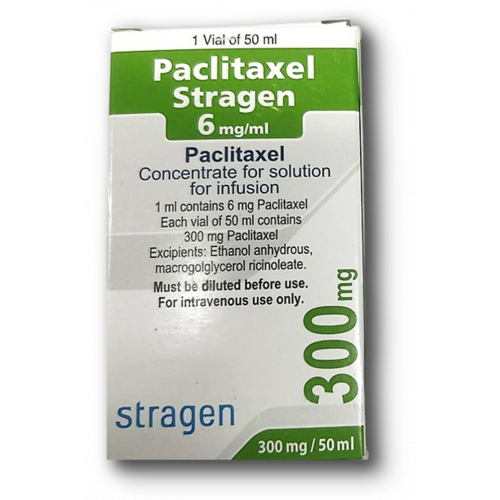
What is Paclitaxel Stragen and what does it contain
Paclitaxel Stragen is an anticancer injectable medicine. The product discussed here is Paclitaxel Stragen 6 mg/mL vial concentrate 17 mL on Vezeeta. It contains paclitaxel, a taxane chemotherapy drug and mitotic inhibitor. Paclitaxel interferes with microtubules inside dividing cells, which blocks normal cell division and helps destroy cancer cells. Normal fast-growing tissues may also be affected, so side effects are expected and monitoring is essential.
| Feature | Details |
|---|---|
| Brand | Paclitaxel Stragen |
| Active ingredient | Paclitaxel |
| Strength discussed | 6 mg/mL; 17 mL vial concentrate |
| Form | Concentrate for intravenous infusion after dilution |
| Main use | Chemotherapy for selected solid tumors |
What is Paclitaxel Stragen used for
Paclitaxel is used in oncology protocols for several cancers, including breast cancer, ovarian cancer, non-small cell lung cancer and AIDS-related Kaposi sarcoma. It may be used alone or with other chemotherapy medicines, depending on cancer type, stage, previous treatment and blood test results. Patients who need assessment can book an oncologist on Vezeeta.
For breast cancer, paclitaxel may be part of adjuvant treatment after other chemotherapy or used in metastatic disease according to the oncologist’s plan. You can also read more about breast cancer symptoms and treatment options in this Vezeeta breast cancer article. Paclitaxel is not a painkiller, vitamin, immunity booster or home injection.
Paclitaxel Stragen dosage and how to use it
Paclitaxel dose is calculated by the oncology team, usually using body surface area in mg/m², not by age alone. Common adult schedules include 175 mg/m² over 3 hours every 3 weeks for some breast cancer regimens, 135 to 175 mg/m² in ovarian cancer regimens, and specific schedules with platinum chemotherapy for lung or ovarian cancer. Some protocols use weekly paclitaxel at different doses. The exact regimen depends on diagnosis, liver function, blood counts, previous side effects and combined medicines.
The vial is a concentrate and must be diluted before intravenous infusion. It should be prepared by trained staff using chemotherapy safety precautions. Premedication, commonly including a corticosteroid, an antihistamine and an H2 blocker, is usually given to reduce severe hypersensitivity reactions.
Should Paclitaxel Stragen be taken before or after food
Paclitaxel Stragen is not taken by mouth, so meals do not control its absorption. The oncology unit may advise light food before the session if nausea is expected, but the infusion timing itself is not classified as before or after food.
What should you do after a missed dose
If a chemotherapy appointment is missed, contact the oncology clinic as soon as possible. Do not try to compensate by changing the next appointment or dose yourself. Treatment cycles depend on blood counts and recovery time, so rescheduling should be done by the treating team.
How long does Paclitaxel Stragen take to work
Paclitaxel enters the bloodstream during the infusion, but cancer response is not judged immediately. Doctors usually evaluate benefit after several cycles using symptoms, examination, tumor markers when relevant and imaging. Paclitaxel blood levels fall over time, but the exact duration varies by dose, infusion length and liver function. Side effects such as low blood counts, hair loss or neuropathy may last longer than measurable blood levels.
What are the side effects of Paclitaxel Stragen
Common side effects may include low white blood cells, anemia, low platelets, hair loss, nausea, vomiting, diarrhea, mouth sores, muscle or joint pain, numbness or tingling in hands and feet, fatigue, rash, nail changes, injection-site irritation and increased risk of infection. Some people develop temporary changes in liver tests or blood pressure during treatment.
Which symptoms need urgent care
Seek urgent medical help for fever, chills, shortness of breath, wheezing, chest tightness, swelling of the face or throat, severe dizziness, fainting, widespread rash, uncontrolled vomiting or diarrhea, unusual bleeding, black stools, severe mouth ulcers, painful redness or swelling at the infusion site, or rapidly worsening numbness or weakness.
Contraindications and precautions
Paclitaxel should not be used in patients with severe hypersensitivity to paclitaxel or formulation components such as polyoxyethylated castor oil. It should not be given when baseline neutrophil counts are below accepted limits. Extra caution is needed in liver impairment, active infection, previous severe neuropathy, heart problems, elderly patients and patients who recently received live vaccines. Blood counts and liver tests are commonly checked before cycles. Paclitaxel can affect fertility; sperm or fertility preservation should be discussed before treatment when relevant.
Paclitaxel Stragen drug interactions
Important interactions include other chemotherapy medicines, live vaccines, medicines that affect CYP2C8 or CYP3A4 enzymes, and drugs that can increase nerve, marrow or liver toxicity. Examples include some azole antifungals, macrolide antibiotics, HIV protease inhibitors, rifampicin, carbamazepine, phenytoin, gemfibrozil, doxorubicin and platinum agents such as cisplatin or carboplatin. Paclitaxel is often intentionally combined with carboplatin, but the sequence is controlled by the protocol; paclitaxel is commonly infused before carboplatin.
Paclitaxel Stragen during pregnancy and breastfeeding
Paclitaxel can harm an unborn baby and should not be used during pregnancy unless a specialist determines an exceptional cancer-related need. Women who can become pregnant should use effective contraception during treatment and for the period advised by the oncology team. Breastfeeding is contraindicated during paclitaxel therapy because serious harm to the infant is possible.
Can Paclitaxel Stragen be taken every day and long term
Paclitaxel Stragen is not a daily home medicine. It is given in cycles or weekly protocols decided by the oncologist. Long-term or repeated courses may be used when benefits outweigh risks, but cumulative neuropathy, bone marrow suppression, infection risk and liver function must be monitored. Do not stop or delay chemotherapy without discussing it with your oncology team.
What are the alternatives to Paclitaxel Stragen
Alternatives depend on the cancer type and previous treatment. They may include another paclitaxel product, albumin-bound paclitaxel, docetaxel, carboplatin-based combinations, cisplatin, doxorubicin, capecitabine, gemcitabine, pemetrexed, targeted therapy, immunotherapy, hormonal therapy, surgery or radiotherapy. No alternative should be substituted automatically because oncology protocols are highly specific.
Paclitaxel Stragen price in Egypt
The price of chemotherapy products can change with availability, supplier and pharmacy updates. For the most current availability and ordering details, check the verified Paclitaxel Stragen product page on Vezeeta or contact the pharmacy service. Do not buy chemotherapy vials from unverified sources.
Frequently asked questions
What is paclitaxel?
Paclitaxel is a taxane chemotherapy medicine used to slow or destroy cancer cells by disrupting cell division.
Is Paclitaxel Stragen the same as Taxol?
Taxol is a well-known brand of paclitaxel. Paclitaxel Stragen contains the same active ingredient, but brand, excipients and vial presentation may differ.
What is paclitaxel chemotherapy used for?
It is used in selected breast, ovarian, non-small cell lung and Kaposi sarcoma protocols, either alone or in combinations.
How is paclitaxel administered?
It is diluted and given as an intravenous infusion in a chemotherapy unit under medical supervision.
How does paclitaxel work?
It stabilizes microtubules and prevents their normal breakdown, stopping cancer cells from completing division.
Why are carboplatin and paclitaxel given together?
They attack cancer cells through different mechanisms and are a standard combination for several tumors, especially ovarian and lung cancers.
Why is paclitaxel usually given before carboplatin?
The order reduces scheduling interaction and helps both medicines work as intended; infusion order should follow the chemotherapy protocol.
How is paclitaxel dose calculated?
It is commonly calculated in mg/m² using body surface area, then adjusted for blood counts, liver function and toxicity.
How long does paclitaxel stay in your system?
Blood levels fall over days, but the exact duration varies by regimen. Some effects, especially nerve symptoms or low counts, may last longer.
What is paclitaxel made from?
Paclitaxel is a natural antitumor product originally derived from yew species and now produced through pharmaceutical processes.
Does paclitaxel cause hair loss?
Yes, hair loss or thinning is common with paclitaxel, though recovery after treatment varies from person to person.
Can paclitaxel be used without premedication?
Premedication is usually required to reduce severe allergic reactions and should not be skipped unless the oncology team gives a clear protocol.
Medical disclaimer
The information in this article is provided for general health education and does not replace medical advice from a doctor or pharmacist. Do not start, stop, or change the dose of any medication without consulting a qualified healthcare professional.
Specialized Doctors

Mohamed Abd Elhamed Hefny
Consultant in Oncology ,Hematology and Nuclear Medicine, Al-Azhar Medicine

Ahmed Ashour
Lecturer Clinical Oncology Faculty of Medicine Alexandria University

Moustafa Abbas
Consultant and MD in Oncology and Nuclear Medicine, Cairo University, Kasr Al-Ainy
Specialized Doctors
Mohamed Abd Elhamed Hefny
Consultant in Oncology ,Hematology and Nuclear Medicine, Al-Azhar Medicine
Ahmed Ashour
Lecturer Clinical Oncology Faculty of Medicine Alexandria University
Moustafa Abbas
Consultant and MD in Oncology and Nuclear Medicine, Cairo University, Kasr Al-Ainy