P.T.B. 500 mg Tablets: Uses, Dosage, Side Effects and Price
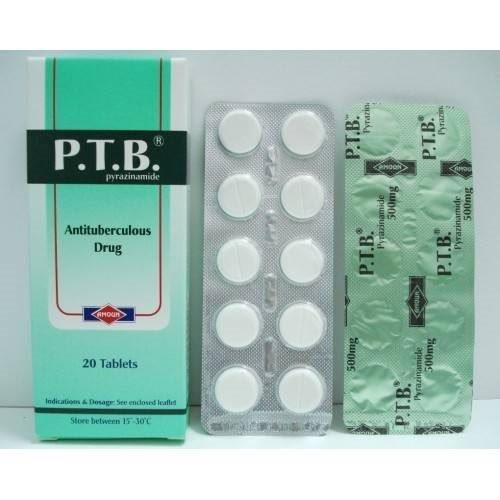
What is P.T.B. and what does it contain
P.T.B. 500 mg contains pyrazinamide, an antibiotic used to treat active tuberculosis with other TB medicines such as isoniazid, rifampicin and ethambutol.
It helps shorten treatment as part of the correct multidrug regimen. Do not use it alone or start, stop or repeat it without medical supervision.
| FeatureDetails | |
| Brand | P.T.B. |
| Active ingredient | Pyrazinamide |
| Strength discussed | 500 mg |
| Form | Oral tablet |
| Main use | Treatment of active tuberculosis as part of combination therapy |
The verified Vezeeta product page for this item is P.T.B. 500 mg 20 tablets on Vezeeta.
What is P.T.B. used for
P.T.B. is used with other TB medicines to treat active tuberculosis in adults and children. TB usually affects the lungs but can also involve lymph nodes, bones, the urinary tract and other organs.
A persistent cough, fever, night sweats, weight loss, coughing blood or close contact with a TB case should be medically assessed. You can book a chest and respiratory doctor on Vezeeta for diagnosis and follow-up.
It is not used for colds, flu, routine cough, allergies or ordinary bacterial infections outside TB treatment plans.
P.T.B. dosage and how to use it
The dose of pyrazinamide is calculated according to body weight, kidney and liver status, treatment schedule and the rest of the TB regimen. A common adult daily dosing range is 15 to 30 mg/kg by mouth once daily, with a usual maximum of 2 g daily in many regimens. Some supervised regimens use intermittent dosing two or three times weekly.
Many patients use pyrazinamide during the first 2 months of drug-susceptible TB treatment, while other medicines continue for longer. Some cases need modified or longer regimens, especially if drug resistance, HIV infection, liver disease or treatment failure is present.
Take the tablets exactly as prescribed. Do not stop when symptoms improve, because incomplete TB treatment can allow relapse and drug-resistant TB. Tell your doctor about major weight changes, missed doses or new symptoms.
Should P.T.B. be taken before or after food?
Follow the schedule given by your doctor. Pyrazinamide can generally be taken with or without food, but taking it with food may help if nausea occurs. Keep the timing consistent and do not skip companion TB medicines.
What should you do after a missed dose?
If you miss a dose, take it when you remember unless it is nearly time for the next dose. If the next dose is close, skip the missed dose and continue the regular schedule. Do not take a double dose. Report repeated missed doses to your doctor or TB clinic.
How long does P.T.B. take to work
Pyrazinamide reaches peak blood levels about 2 hours after a dose, but symptom relief is gradual. Fever, cough and tiredness may start improving over days to weeks as the full TB regimen works.
Feeling better does not mean TB is cured. Treatment usually lasts months, and follow-up tests may be needed.
What are the side effects of P.T.B.
Not everyone develops side effects, but pyrazinamide can cause important reactions. Common or expected effects include nausea, vomiting, loss of appetite, joint pain, muscle pain and raised uric acid. Raised uric acid may be silent, but in some patients it can trigger gout-like pain, swelling or redness in joints.
The most important risk is liver irritation or hepatitis, especially with higher doses, alcohol use, existing liver disease or other liver-affecting medicines. Mild digestive symptoms should be reported if persistent, while warning symptoms require urgent care.
Which symptoms need urgent care?
- Yellowing of the skin or eyes.
- Dark urine, pale stools or severe upper abdominal pain.
- Severe nausea, vomiting, loss of appetite or unusual tiredness.
- Fever, widespread rash, facial swelling or difficulty breathing.
- Easy bruising, bleeding gums or nosebleeds.
- Severe joint pain, swelling, redness or a sudden gout flare.
Contraindications and precautions
Do not use P.T.B. if you are allergic to pyrazinamide, have severe liver disease or have active gout unless a specialist clearly decides otherwise. Before starting treatment, tell your doctor if you have liver disease, hepatitis history, alcohol dependence, diabetes, kidney disease, gout, HIV infection or previous problems with TB medicines.
Liver-function tests and uric acid are often checked before treatment and during therapy when clinically needed. Avoid alcohol during TB treatment unless your doctor confirms it is safe, because alcohol can increase liver risk. People with diabetes may need closer blood-sugar monitoring because illness and medicines can make control more difficult.
Do not share the medicine with another person, even if symptoms seem similar. TB treatment must be based on diagnosis, weight, drug susceptibility and public-health follow-up.
P.T.B. drug interactions
Tell your doctor and pharmacist about all medicines, vitamins and herbal products you use. P.T.B. is usually prescribed with other TB medicines, but the full regimen must be selected carefully to balance effectiveness and liver safety.
Important interaction considerations include alcohol, other medicines that can affect the liver, gout medicines, diabetes medicines and drugs used in HIV treatment. Pyrazinamide can also interfere with some urine ketone tests, so inform healthcare professionals that you are taking it before laboratory testing.
P.T.B. during pregnancy and breastfeeding
If you are pregnant, planning pregnancy or discover pregnancy during treatment, contact your doctor promptly. Untreated TB can be dangerous for both mother and baby, so treatment decisions weigh the benefit of TB control against medicine risks.
Pyrazinamide is not a medicine to self-start during pregnancy. It may be used only when the specialist considers it appropriate within the TB regimen. Small amounts may pass into breast milk, so breastfeeding requires medical guidance. Do not stop TB medicines on your own during pregnancy or breastfeeding.
Can P.T.B. be taken every day and long term
P.T.B. may be prescribed daily in some TB regimens, while others use intermittent supervised dosing. The schedule depends on the patient and local protocol. It is not a routine daily antibiotic for non-TB infections.
Use beyond the planned intensive phase should happen only if a specialist recommends it, such as in resistant or complicated TB. Longer or unsupervised use increases the need for monitoring and may raise the risk of liver and uric-acid problems.
What are the alternatives to P.T.B.
Alternatives depend on TB type, drug susceptibility, previous treatment and tolerability. Other TB medicines may include isoniazid, rifampicin, ethambutol, rifabutin, fluoroquinolones or second-line agents in resistant cases.
If P.T.B. causes side effects or is unavailable, do not replace it yourself. A doctor must adjust the whole regimen to avoid treatment failure and resistance.
P.T.B. price in Egypt
The price and availability of P.T.B. 500 mg 20 tablets in Egypt may change with stock, official pricing updates and delivery location. Check the verified P.T.B. 500 mg page on Vezeeta Pharmacy. Because pyrazinamide is a prescription TB medicine, use it only with medical supervision.
Frequently asked questions
What is pyrazinamide?
Pyrazinamide is an anti-TB antibiotic used with other TB medicines. P.T.B. 500 mg is one brand of pyrazinamide.
What are pyrazinamide 500 mg tablets used for?
They are used in combination treatment for active TB. They are not for ordinary coughs, colds or viral infections.
Is P.T.B. the same as pyrazinamide 500?
Yes. P.T.B. 500 mg contains pyrazinamide 500 mg as the active ingredient.
Can P.T.B. treat latent TB?
Pyrazinamide is not a routine self-treatment for latent TB. A specialist should choose the right latent TB regimen.
Can I stop P.T.B. when I feel better?
No. Stopping early can cause relapse and drug-resistant TB. Continue the full regimen exactly as directed.
Does P.T.B. cause liver problems?
It can cause liver irritation or hepatitis in some patients. Seek urgent medical advice for jaundice, dark urine, severe nausea, abdominal pain or unusual tiredness.
Does pyrazinamide cause gout?
It can raise uric acid and may trigger gout symptoms in susceptible people. Tell your doctor if you have gout or develop painful swollen joints.
Can children take P.T.B.?
Yes, when prescribed for TB. The dose is based on body weight and must be managed by a doctor.
Can I drink alcohol while taking P.T.B.?
Alcohol is best avoided unless your doctor says otherwise, because it may increase liver strain.
Is P.T.B. safe in diabetes?
It may be used when needed, but diabetes should be reported before treatment because blood-sugar control may become harder during TB illness and therapy.
What tests are needed with P.T.B.?
Doctors often check liver-function tests and uric acid before or during treatment, especially if symptoms or risk factors appear. Sputum tests or imaging may also be needed.
What happens if I take too much P.T.B.?
Seek emergency medical help or contact a poison center immediately. Do not wait for symptoms.
Medical disclaimer
The information in this article is provided for general health education and does not replace medical advice from a doctor or pharmacist. Do not start, stop, or change the dose of any medication without consulting a qualified healthcare professional.
Specialized Doctors

Abdelmonem Samy El Ramly
Consultant of Chest Diseases and Tuberculosis

Inas Badr
Consultant of chest diseases Head of department ,Abbassia specialized chest hospital.

Ahmed Salama Sadaka
Assistant Professor and Consultant of Chest Diseases - Alexandria University
Specialized Doctors
Abdelmonem Samy El Ramly
Consultant of Chest Diseases and Tuberculosis
Inas Badr
Consultant of chest diseases Head of department ,Abbassia specialized chest hospital.
Ahmed Salama Sadaka
Assistant Professor and Consultant of Chest Diseases - Alexandria University