Oxycinon Ampoule: Uses, Dosage, Side Effects, and Safety
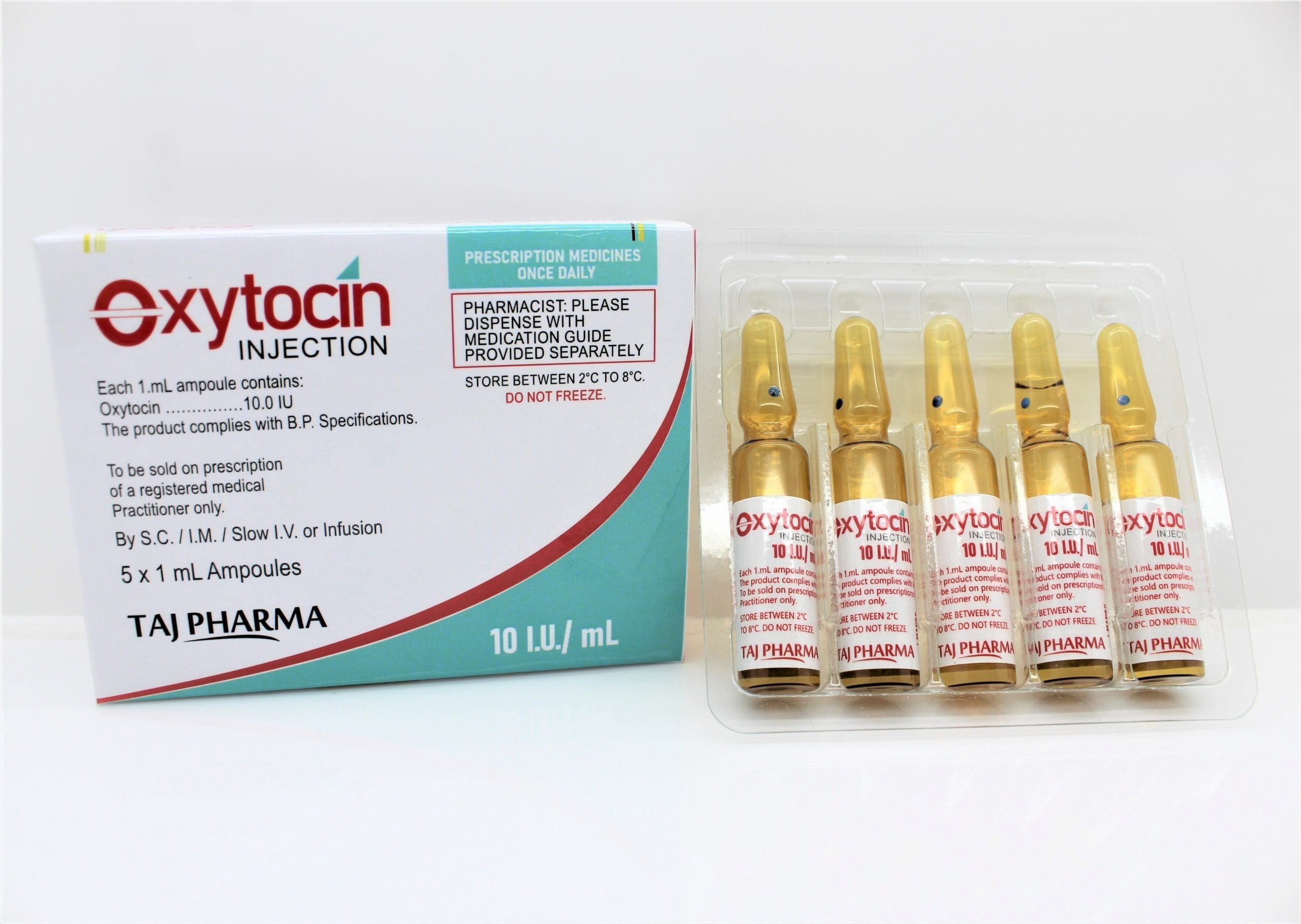
What is Oxycinon and what does it contain
Oxycinon 10 I.U./mL ampoule is an injectable medicine that contains oxytocin. Oxytocin is a synthetic form of a natural hormone that makes the uterus contract. In medical practice, it belongs to uterotonic agents and is used mainly in labor and postpartum care.
Oxycinon 10 I.U./mL I.V. 1 ampoule on Vezeeta is listed as a solution ampoule with oxytocin as the active ingredient. It is a prescription-only medicine that should be handled by trained healthcare professionals.
| FeatureDetails | |
| Brand | Oxycinon |
| Active ingredient | Oxytocin |
| Strength discussed | 10 I.U./mL, 1 ampoule |
| Form | Injectable solution ampoule |
| Main use | Medically supervised uterine contraction support and control of postpartum bleeding |
What is Oxycinon used for
Oxycinon may be used in hospital obstetric care for induction of labor when there is a clear medical reason, augmentation of labor when contractions are inadequate, and production of uterine contractions after delivery to reduce postpartum bleeding. It may also be used as an adjunct in selected cases of incomplete or inevitable abortion under specialist supervision.
It is not intended for elective labor induction merely for convenience. Before use, the doctor must assess maternal and fetal condition, cervical status, pelvic adequacy, fetal presentation, and whether vaginal delivery is appropriate. If you need pregnancy, miscarriage, delivery, or postpartum bleeding assessment, you can book a gynecology and obstetrics doctor on Vezeeta.
Oxycinon dosage and how to use it
Oxycinon dosage is individualized. It depends on the indication, uterine response, fetal heart rate, maternal blood pressure, and the hospital protocol. For labor induction or augmentation, oxytocin is usually diluted and given as a controlled intravenous infusion, starting at a low rate and increasing gradually only when needed. Continuous monitoring of uterine contractions and fetal heart rate is essential.
For control of postpartum bleeding after delivery, oxytocin may be given by intravenous infusion or intramuscular injection according to the clinical situation. The exact dose and route must be decided by the obstetric team. Do not inject Oxycinon at home, do not repeat an ampoule on your own, and do not use it to induce abortion without emergency obstetric supervision.
Before or after food
Food does not affect Oxycinon because it is an injection, not an oral tablet. The important point is not timing with meals, but correct dilution, route, infusion rate, and monitoring in a suitable medical setting.
Missed dose
Oxycinon is administered by healthcare professionals, so a missed dose is not handled like a home medication. If an infusion is interrupted or stopped, the medical team decides whether to restart, adjust, or discontinue it based on uterine activity and fetal and maternal condition.
How long does Oxycinon take to work
When oxytocin is given intravenously, uterine response can begin quickly because the medicine reaches the bloodstream directly. The effect is controlled by the infusion rate and usually decreases after the infusion is reduced or stopped. Response varies depending on pregnancy stage, uterine sensitivity, and the reason for use.
In postpartum bleeding control, uterine tightening may occur soon after administration, but continued observation is required because bleeding can have other causes that need additional treatment, such as retained placental tissue, birth canal trauma, or clotting problems.
What are the side effects of Oxycinon
The most important side effects are related to excessive uterine stimulation. Possible maternal effects include stronger or too frequent contractions, nausea, vomiting, changes in heart rhythm, low blood pressure especially with rapid intravenous administration or anesthesia interactions, headache, fluid retention, and rarely severe water intoxication with confusion, seizures, or coma after prolonged high-dose infusion with excess fluids.
Possible fetal or newborn risks include fetal heart rate changes, reduced oxygen supply if contractions are too frequent, low Apgar score, jaundice, and trauma in severe overstimulation. These risks are why monitoring is mandatory.
Urgent symptoms
Urgent medical action is needed for prolonged contractions, continuous abdominal pain between contractions, heavy bleeding, fainting, severe headache, chest pain, breathing difficulty, swelling of the face or throat, seizures, confusion, or abnormal fetal heart rate detected during monitoring.
Contraindications and precautions
Oxycinon should not be used when vaginal delivery is unsafe, such as significant cephalopelvic disproportion, unfavorable fetal position that cannot be delivered vaginally, cord presentation or prolapse, total placenta previa, vasa previa, fetal distress when delivery is not imminent, hypertonic uterine patterns, or known hypersensitivity to oxytocin.
Extra caution is required in previous uterine surgery including cesarean section, overdistended uterus, multiple pregnancy, grand multiparity, severe hypertension or pre-eclampsia, heart disease, prematurity, borderline pelvic disproportion, and any situation where uterine rupture risk is increased. It must be used only where emergency obstetric and surgical care is available.
Oxycinon drug interactions
Important interactions include anesthetic agents and vasoconstrictors. Cyclopropane anesthesia, where used, may increase cardiovascular effects such as hypotension and rhythm changes. Severe hypertension has been reported when oxytocin is given after prophylactic vasoconstrictors used with caudal block anesthesia. Combining oxytocin with other uterotonic or abortifacient medicines may cause intense contractions and increase the risk of uterine rupture or cervical injury.
Always tell the obstetric team about all medicines used during labor, anesthesia, blood pressure treatment, and miscarriage management.
Oxycinon during pregnancy and breastfeeding
During pregnancy, Oxycinon is used only for specific medical indications related to labor, delivery, or selected miscarriage management. It is not a general pregnancy medicine and should not be used in the first or second trimester except when medically indicated in relation to spontaneous or induced abortion under specialist care.
During breastfeeding, oxytocin may be used after delivery when clinically needed. It is not known whether oxytocin injection is excreted in human milk, so caution is advised and the mother’s clinical condition after birth should be considered.
Can Oxycinon be taken every day and long term
No. Oxycinon is not a daily or long-term medicine. It is used for short-term obstetric indications in a monitored setting. Prolonged infusion, high doses, and excessive fluid intake increase the risk of water intoxication and uterine overstimulation. If bleeding, miscarriage symptoms, or labor problems continue, the solution is medical reassessment, not repeated unsupervised injections.
What are the alternatives to Oxycinon
Alternatives depend on the medical reason. For labor induction, doctors may consider cervical ripening agents such as prostaglandins when appropriate. For postpartum hemorrhage, other uterotonic medicines such as methylergometrine, carboprost, or misoprostol may be used depending on blood pressure, asthma history, bleeding cause, and hospital protocol.
Do not substitute another uterotonic medicine without medical advice. These drugs can be dangerous if used in the wrong patient or at the wrong stage of pregnancy.
Oxycinon price in Egypt
The price of Oxycinon ampoule in Egypt can change with availability, pharmacy policy, and official pricing updates. For the most current availability and ordering details, check the Oxycinon product page on Vezeeta. If the medicine is unavailable, ask your doctor or pharmacist about an appropriate oxytocin alternative.
Frequently asked questions
What is oxytocin?
Oxytocin is a natural hormone and a medicine that stimulates uterine contractions. In injection form, it is used in specific obstetric situations under medical supervision.
What is Oxycinon amp used for?
It is used for medically indicated induction or augmentation of labor, helping the uterus contract after delivery, and controlling postpartum bleeding. It may also be used in selected miscarriage-related care.
What is the generic name for Oxycinon?
The generic name is oxytocin.
Is Oxycinon the same as oxytocin injection?
Yes. Oxycinon is a brand that contains oxytocin injection as the active ingredient.
When does oxytocin injection start working?
Intravenous oxytocin can act quickly, but the clinically important response is judged by contraction pattern, fetal monitoring, and maternal condition.
When does oxytocin abortion injection start working?
Oxytocin is not a self-use abortion injection. In miscarriage or second-trimester abortion care, timing and response vary and require hospital monitoring because intense contractions and bleeding can occur.
Why is oxytocin given after C-section?
It may be given after the baby is delivered to help the uterus contract and reduce the risk of postpartum hemorrhage.
Why can oxytocin cause hypotension?
Blood pressure may fall with rapid intravenous administration, large doses, or certain anesthesia interactions. This is one reason blood pressure is monitored during use.
When should oxytocin be stopped?
The infusion is stopped or reduced if contractions become too frequent or prolonged, fetal heart rate becomes concerning, blood pressure or maternal symptoms worsen, or the clinical goal has been achieved.
Can Oxycinon be injected at home?
No. Oxycinon should be administered by trained healthcare professionals in a setting equipped for maternal and fetal monitoring and emergency care.
Does Oxycinon help with milk production?
Oxytocin is involved naturally in milk let-down, but Oxycinon ampoule should not be used as a home treatment to increase milk supply.
Is Oxycinon safe for every pregnant woman?
No. It is contraindicated in several obstetric situations and requires careful selection by a doctor.
Medical disclaimer
The information in this article is provided for general health education and does not replace medical advice from a doctor or pharmacist. Do not start, stop, or change the dose of any medication without consulting a qualified healthcare professional.