Oxybin Syrup Uses, Dosage, Side Effects, and Price in Egypt
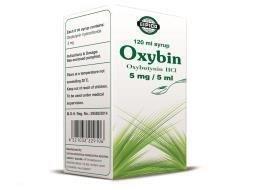
What is Oxybin and what does it contain
Oxybin is the brand name of an oral syrup that contains oxybutynin chloride. Oxybutynin belongs to a group of medicines called antimuscarinics or urinary antispasmodics. It works mainly on the bladder muscle to reduce involuntary contractions that cause urgency, frequency, and leakage.
The product discussed here is Oxybin 5 mg/5 mL syrup 120 mL on Vezeeta. It should be used only as prescribed, especially in children, older adults, and people with glaucoma, bowel problems, urinary retention, or neurological disease.
| FeatureDetails | |
| Brand | Oxybin syrup |
| Active ingredient | Oxybutynin chloride |
| Strength discussed | 5 mg/5 mL |
| Form | Oral syrup, 120 mL bottle |
| Main use | Overactive bladder symptoms and urinary urgency/frequency |
What is Oxybin used for
Oxybin is used to treat symptoms of overactive bladder, including frequent urination, urgent need to urinate, urine leakage, and waking at night to urinate. It may also be used in children aged 5 years and older when overactive bladder is related to a neurological condition, but only under medical supervision.
If symptoms include burning urine, fever, blood in urine, pelvic pain, or sudden new urinary frequency, a doctor should first rule out infection, stones, diabetes, prostate disease, or other causes. You can book a consultation with a urologist on Vezeeta for assessment. Patients with urinary leakage may also find general health information about urinary incontinence useful.
Oxybin dosage and how to use it
The usual adult dose for immediate-release oxybutynin oral solution is 5 mg, equal to 5 mL of Oxybin syrup, two to three times daily. The maximum recommended adult dose is 5 mg four times daily. Frail older adults may need a lower starting dose, such as 2.5 mg two or three times daily, if the doctor decides it is suitable.
For children over 5 years, the usual dose is 5 mg twice daily, with a usual maximum of 5 mg three times daily. Pediatric use must be individualized by a doctor according to age, weight, diagnosis, response, and side effects.
Measure the syrup with an oral syringe or calibrated measuring cup, not a kitchen spoon. Do not increase the dose if symptoms persist; uncontrolled dose increases raise the risk of dry mouth, constipation, blurred vision, overheating, confusion, and urinary retention.
Before or after food
Oxybin can generally be taken with or without food unless your doctor or pharmacist gives different instructions. Taking it with food may help if it causes stomach upset. Try to take doses at the same times every day, spaced as evenly as possible.
Missed dose
If you miss a dose, take it when remembered unless it is nearly time for the next dose. If the next dose is close, skip the missed dose and continue the normal schedule. Do not take two doses together.
How long does Oxybin take to work
Oxybutynin oral solution is absorbed quickly, with blood levels usually peaking within about one hour. Symptom relief may begin early, but bladder control often improves gradually over days as the dose schedule becomes consistent. If there is no benefit, or side effects are troublesome, the dose or treatment plan should be reviewed rather than changed without advice.
What are the side effects of Oxybin
Common side effects are related to its anticholinergic effect. They may include dry mouth, constipation, dizziness, drowsiness, headache, nausea, indigestion, blurred vision, dry eyes, difficulty passing urine, and tiredness. Some people may also notice reduced sweating, which can increase the risk of overheating in hot weather.
Urgent symptoms
Seek urgent medical help if there is swelling of the face or throat, difficulty breathing, severe abdominal pain or constipation, inability to urinate, painful urination with worsening symptoms, severe dizziness, confusion, hallucinations, eye pain with blurred vision or halos, fever with hot dry skin, or signs of dehydration.
Contraindications and precautions
Oxybin should not be used by people allergic to oxybutynin. It may be unsuitable in untreated narrow-angle glaucoma, urinary retention, significant bladder outlet obstruction, stomach or intestinal blockage, severe bowel motility problems, myasthenia gravis, and certain severe inflammatory bowel conditions.
Use caution in older adults, people with liver or kidney impairment, dementia, Parkinson’s disease, prostate enlargement, hypertension, heart rhythm problems, hyperthyroidism, GERD, slow stomach emptying, or autonomic neuropathy. Avoid dehydration and overheating, especially in hot weather, during exercise, or if fever occurs. Alcohol may increase drowsiness and should be avoided or limited.
Oxybin drug interactions
Tell your doctor or pharmacist about all medicines you use. Important interactions may occur with other anticholinergic medicines, including some allergy medicines, antidepressants, antipsychotics, Parkinson’s medicines, bladder medicines, and medicines for stomach cramps. Combining them may worsen dry mouth, constipation, sleepiness, confusion, blurred vision, or urinary retention.
Strong CYP3A4 inhibitors, such as some azole antifungals and macrolide antibiotics, may increase oxybutynin exposure. Oxybutynin can slow gut movement, which may affect absorption of some oral medicines. It should also be used carefully with medicines that may irritate the esophagus, such as bisphosphonates, especially in patients with reflux.
Oxybin during pregnancy and breastfeeding
During pregnancy, Oxybin should be used only when the expected benefit outweighs potential risk and after medical review. Human pregnancy data are limited, so self-treatment is not recommended.
During breastfeeding, oxybutynin may pass into breast milk in small amounts, and long-term use may reduce milk production in some women. A breastfeeding mother should use it only if prescribed and should monitor the baby’s feeding, weight gain, and unusual sleepiness or irritability.
Can Oxybin be taken every day and long term
Oxybin may be prescribed for daily use when overactive bladder symptoms are persistent. Long-term use requires periodic review to confirm that it is still needed, effective, and tolerated. The doctor may reassess symptoms, constipation, dry mouth, vision changes, memory or confusion symptoms, urinary retention risk, and other medicines that add anticholinergic burden.
What are the alternatives to Oxybin
Alternatives depend on the diagnosis and may include bladder training, reducing evening caffeine, timed voiding, pelvic floor exercises, treating infection or prostate problems, or other prescription medicines. Drug alternatives may include other antimuscarinics such as tolterodine, solifenacin, fesoterodine, darifenacin, or trospium, and non-antimuscarinic options such as mirabegron in suitable patients. Do not switch medicines without medical advice.
Oxybin price in Egypt
The price and availability of Oxybin syrup in Egypt can change by pharmacy, supply, and updated pricing. For the most current information, check the verified Oxybin syrup product page on Vezeeta or ask a pharmacist.
Frequently asked questions
What is oxybutynin used to treat?
It is mainly used for overactive bladder symptoms, including urgency, frequency, night-time urination, and urinary leakage. In selected children over 5 years, it may be used for neurologic bladder overactivity under specialist care.
Is oxybutynin the same as oxycodone?
No. Oxybutynin is a bladder antispasmodic. Oxycodone is an opioid pain medicine. They are completely different drugs and should not be confused.
How does oxybutynin reduce sweating?
Oxybutynin blocks muscarinic receptors involved in gland activity, so it can reduce sweating. This effect may be used by doctors in selected cases of excessive sweating, but it also raises the risk of overheating and heat illness.
Does Oxybin cause loss of appetite?
Loss of appetite is not one of the typical main side effects. Nausea, indigestion, dry mouth, or constipation may make eating less comfortable. Persistent appetite loss, weight loss, vomiting, or abdominal pain needs medical review.
What time of day should I take oxybutynin?
Immediate-release syrup is usually taken two or three times daily, spaced across the day. Follow the prescription label. If night-time urination is the main symptom, ask your doctor how to time doses safely.
What is oxybutynin chloride?
Oxybutynin chloride is the salt form of oxybutynin used in oral medicines. In Oxybin syrup, each 5 mL contains 5 mg oxybutynin chloride.
Can Oxybin be used for children?
It may be used in children over 5 years when prescribed. It is not recommended for younger children unless a specialist gives a clear individualized instruction.
Does Oxybin make you sleepy?
It can cause drowsiness or dizziness in some people. Avoid driving or risky activities until you know how it affects you.
Can Oxybin cause constipation?
Yes. Constipation is a common anticholinergic side effect. Drink suitable fluids, increase fiber if appropriate, and ask a doctor if constipation is severe or persistent.
Can I stop Oxybin suddenly?
Stopping is not usually associated with withdrawal, but urinary symptoms may return. If side effects occur or the medicine is not helping, consult your doctor before stopping or changing the plan.
Is Oxybin used for urine infection?
No, it does not treat bacterial infection. If urinary symptoms are caused by infection, an appropriate assessment and treatment are needed.
What should I avoid while taking Oxybin?
Avoid overheating, dehydration, excess alcohol, and combining it with other sedating or anticholinergic medicines unless approved by a healthcare professional.
Medical disclaimer
The information in this article is provided for general health education and does not replace medical advice from a doctor or pharmacist. Do not start, stop, or change the dose of any medication without consulting a qualified healthcare professional.
Specialized Doctors

محمد عبدالسميع الشهابي
استشاري جراحة الكلي و المسالك البولية و المناظير

محمد محمود سليم
أستاذ جراحة و مناظير المسالك البولية و امراض الذكورة و العقم

عماد منير سالم
استشاري جراحات ومناظير المسالك البولية والتناسلية وتفتيت الحصوات بالليزر
Specialized Doctors
محمد عبدالسميع الشهابي
استشاري جراحة الكلي و المسالك البولية و المناظير
محمد محمود سليم
أستاذ جراحة و مناظير المسالك البولية و امراض الذكورة و العقم
عماد منير سالم
استشاري جراحات ومناظير المسالك البولية والتناسلية وتفتيت الحصوات بالليزر