Treatment of Urinary Incontinence for Women and Men and Its Causes
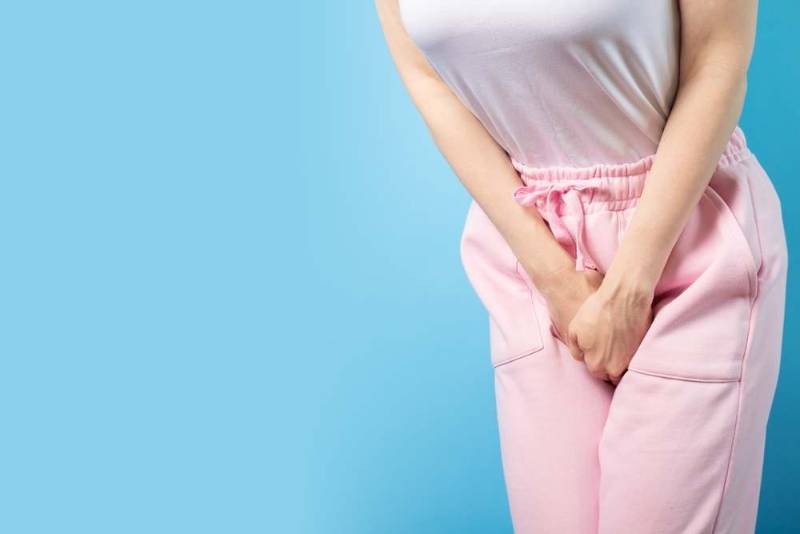
Urinary incontinence can affect individuals of all ages due to certain daily habits or underlying medical conditions that result in the loss of bladder control. However, it is more common in women and the elderly.
Urinary incontinence in women and men can be treated with medications, alongside adopting a suitable lifestyle and practicing specific exercises to strengthen bladder muscles.
In the following lines, we explore the causes, symptoms, treatment options, and preventive strategies for urinary incontinence.
What Is Urinary Incontinence?
Urinary incontinence refers to the involuntary loss of bladder control, leading to unintentional leakage of urine—sometimes in small amounts and other times in larger volumes depending on the case.
Under normal conditions, when the bladder is full, the brain signals the bladder to release urine, giving the individual time to reach the restroom. However, in the case of incontinence, the muscle responsible for controlling urination weakens, allowing urine to escape without warning.
What are Symptoms of Urinary Incontinence?
The main symptom is the involuntary leakage of urine. Patients may feel dampness frequently without noticing the passage of urine and often experience the sensation of incomplete bladder emptying.
Symptoms may worsen with:
- Sneezing or coughing
- Laughing
- Physical activity
The severity of urine leakage varies from case to case. Symptoms may also be temporary and improve once the underlying issue is treated, such as a urinary tract infection, constipation, or medication use.
What are Causes of Urinary Incontinence?
Urinary incontinence can be caused by a wide range of temporary or chronic factors, including:
- Menopause: A drop in estrogen levels weakens the muscles of the pelvic floor, bladder, and urethra, increasing bladder activity and risk of leakage in women.
- Urinary tract infections: Infections can irritate the bladder, intensifying the need to urinate and leading to incontinence.
- Constipation: Accumulated stool in the intestines can press on the bladder or share nerve pathways, increasing urinary urgency.
- Prostate issues in men: Enlarged prostate or post-prostate surgery complications can cause incontinence.
- Certain medications: Such as pain relievers, sleeping pills, and diuretics.
- Obesity: Extra weight exerts pressure on the bladder.
- Smoking
- Pregnancy and childbirth: Pressure from the fetus and hormonal changes weaken pelvic floor muscles.
- Aging: Reduces bladder capacity and control over muscle contractions.
- Hysterectomy: May weaken the muscles supporting the bladder.
- Certain foods and drinks: Including caffeine, soft drinks, alcohol, spicy foods, chocolate, and citrus fruits.
- Nerve or neurological disorders: Such as diabetes, Parkinson’s disease, spinal cord injury, and anxiety.
What are Types of Urinary Incontinence?
Urinary incontinence presents in different forms depending on its cause:
- Stress incontinence: Leakage caused by physical pressure on the bladder (e.g., sneezing, coughing, lifting).
- Functional incontinence: Caused by a condition (like arthritis or cognitive impairment) that hinders the patient from reaching the toilet in time.
- Urge incontinence (overactive bladder): Sudden, intense urge to urinate followed by leakage.
- Overflow incontinence: Inability to fully empty the bladder leads to constant dribbling.
- Mixed incontinence: A combination of two or more types, most commonly stress and urge incontinence.
How is Urinary Incontinence Diagnosed?
Diagnosis involves taking a medical history and performing the following tests:
- Physical exam: Includes pelvic exam for women or prostate exam for men.
- Ultrasound (sonar): To visualize internal organs.
- Urinalysis: To detect infection or blood in the urine.
- Cystoscopy: To inspect the bladder via a small camera inserted through the urethra.
- Stress test: Involves coughing or jumping to observe urine leakage.
- Urodynamic tests: To assess how well the bladder stores and empties urine.
- Post-void residual test: Measures remaining urine after urination using catheterization or ultrasound.
- Bladder diary: Patient logs fluid intake, urination times, and leakage events for several days.
What are Treatment Options for Urinary Incontinence?
Treatment depends on the patient's age, health status, and the type of incontinence.
Medications for Urinary Incontinence
Pharmacological options include:
- Topical estrogen: Strengthens urethral and vaginal tissues.
- Anticholinergic drugs: Reduce overactive bladder contractions.
- Tricyclic antidepressants: Such as Imipramine, may help with mixed symptoms.
What are Exercises for Bladder Control?
Because weak bladder and pelvic muscles are often the root of the problem, targeted exercises can greatly reduce symptoms:
- Kegel exercises: Strengthen the pelvic floor muscles.
- Double voiding: Urinate, wait two minutes, then try again to empty the bladder fully.
- Timed voiding: Use the bathroom at fixed intervals.
- Urge suppression training: Delaying urination to train bladder control.
What are Devices and Non-Surgical Options for Women?
Some non-invasive devices and treatments include:
- Radiofrequency therapy: Heats and firms urinary tissues.
- Botox injections: Reduce overactivity in the bladder muscles.
- Sacral nerve stimulation: Sends mild electrical impulses to nerves controlling the bladder.
- Urethral inserts: Temporary plugs for activities that cause leakage.
- Vaginal pessaries: Rings placed in the vagina to support the bladder.
- Urinary catheter: Often used for elderly patients with limited mobility.
- Absorbent pads or diapers: Help manage leakage during daily activities.
What are Surgical Treatments?
Surgery is considered if all other treatments fail:
- Artificial urinary sphincter: Replaces a damaged bladder valve.
- Bladder neck suspension: Lifts and supports the bladder.
- Sling procedures: Use mesh to support the urethra and prevent leakage.
What are Complications of Untreated Incontinence?
- Frequent urinary tract infections
- Social withdrawal and lowered self-esteem
- Skin irritation, leading to sores or infections
What are Prevention Tips?
To reduce the risk or severity of incontinence:
- Maintain a healthy weight.
- Avoid caffeine and alcohol.
- Limit fluid intake before physical activity.
- Don’t lift heavy objects frequently.
- Change clothes frequently and sterilize them to prevent infections.
- Practice pelvic floor exercises regularly.
- Don’t delay urination unnecessarily.
Final Thoughts
Urinary incontinence is a medical condition like any other and should not be a source of shame or distress. With the right diagnosis and treatment—whether through lifestyle adjustments, medications, exercises, or medical devices—men and women can regain bladder control and improve their quality of life.
If you still need to consult a doctor regarding this condition, you can easily book an appointment through Vezeeta
Related Keywords
Specialized Doctors

Medhat Omar Mahmoud
Senior Consultant in Urological Surgery, Endoscopy, and Andrology

essam abdelwahab
Consultant of Urology, Nephrology, Andrology and Infertility - Ain Shams Medicine

Peter Samir
Consultant of urology and Endoscopy
References
Mayo Clinic. Urinary Incontinence: Symptoms, Causes, and Treatment.
https://www.mayoclinic.org
Cleveland Clinic. Urinary Incontinence: Types, Diagnosis & Management.
https://my.clevelandclinic.org
National Institute of Diabetes and Digestive and Kidney Diseases (NIDDK). Urinary Incontinence in Adults.
https://www.niddk.nih.gov
WebMD. Urinary Incontinence: Causes, Symptoms, and Treatment.
https://www.webmd.com
American Urological Association (AUA). Understanding Urinary Incontinence.
https://www.auanet.org
Specialized Doctors
Medhat Omar Mahmoud
Senior Consultant in Urological Surgery, Endoscopy, and Andrology
essam abdelwahab
Consultant of Urology, Nephrology, Andrology and Infertility - Ain Shams Medicine
Peter Samir
Consultant of urology and Endoscopy