Oxybin 5 mg tablets: uses, dosage, side effects, and price in Egypt
What is Oxybin and what does it contain
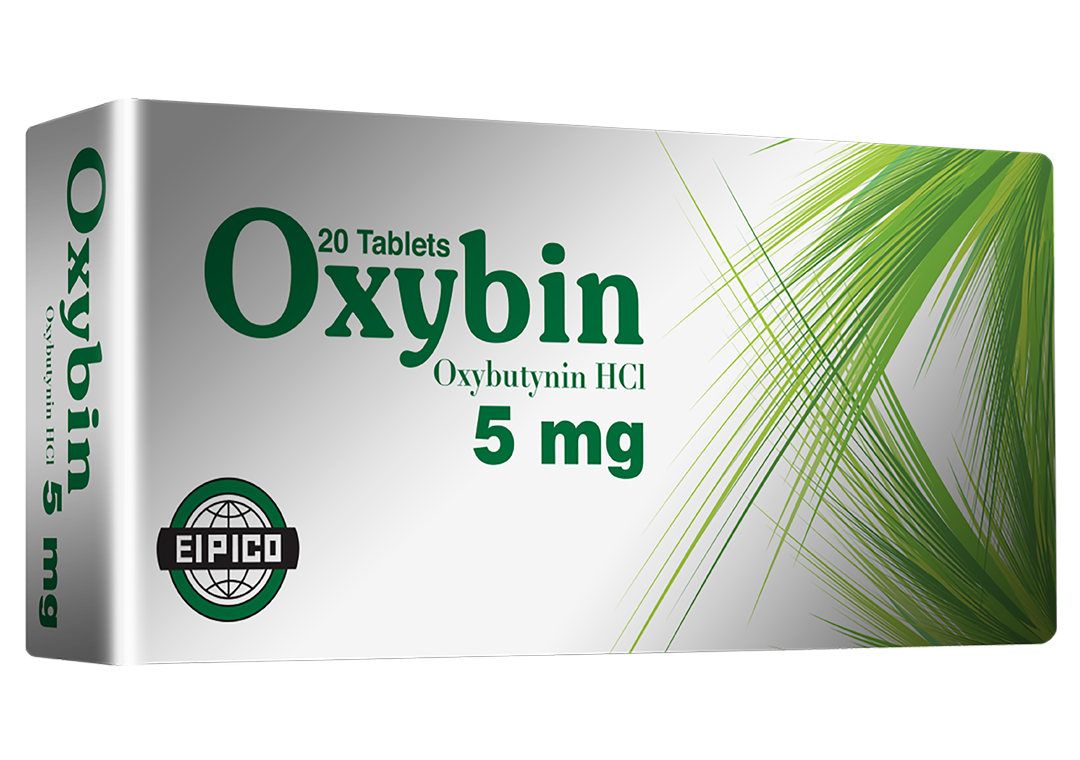
Oxybin is a brand of oxybutynin tablets. The product discussed here is Oxybin 5 mg 20 tablets on Vezeeta. Oxybutynin chloride belongs to anticholinergic or antimuscarinic medicines known as urinary antispasmodics. It relaxes the bladder detrusor muscle and reduces involuntary bladder contractions, helping reduce urgency, frequency, and urge leakage.
| FeatureDetails | |
| Brand | Oxybin |
| Active ingredient | Oxybutynin chloride |
| Strength discussed | 5 mg |
| Form | Oral tablets |
| Main use | Overactive bladder symptoms and bladder spasms |
What is Oxybin used for
Oxybin is mainly used for bladder symptoms caused by involuntary bladder muscle contractions. These may include frequent urination, sudden urgent need to urinate, urge urinary incontinence, urinary leakage, and bladder instability related to neurogenic or reflex neurogenic bladder. If symptoms are new, painful, associated with blood in urine, fever, severe pelvic pain, or difficulty passing urine, medical assessment is important before relying on bladder-relaxing medicine.
Oxybutynin may also be prescribed by some specialists for primary focal hyperhidrosis, which means excessive sweating in specific areas. This use requires careful supervision because reducing sweating can increase the risk of overheating, especially in hot weather. For urinary problems, consultation with a urologist may help identify the underlying cause. You can also read more about urinary incontinence and treatment options.
Oxybin dosage and how to use it
The dose should be individualized by a doctor. For immediate-release oxybutynin tablets in adults, a commonly used starting dose is 5 mg two to three times daily, and the maximum is usually 5 mg four times daily. Frail older adults may need a lower starting dose such as 2.5 mg two or three times daily. In children aged 5 years and older, use is only under medical supervision; a commonly used immediate-release dose is 5 mg twice daily, with a lower maximum than adults unless the doctor decides otherwise.
Swallow the tablet with water. Do not increase the dose to get a faster effect, as higher doses can increase dry mouth, constipation, blurred vision, dizziness, drowsiness, urinary retention, confusion, and overheating risk.
Before or after food
Oxybin may be taken with food or milk if it upsets the stomach. If your doctor prescribes more than one daily dose, try to take the tablets at consistent times each day so symptom control remains steady.
Missed dose
If you miss a dose, take the next dose at the regular scheduled time unless your doctor has given different instructions. Do not take two doses together to make up for a missed tablet.
How long does Oxybin take to work
Oxybutynin is absorbed quickly after oral immediate-release tablets, with blood levels usually peaking within about one hour. Some people notice improvement in urgency or frequency during the first days, but full symptom control may require dose adjustment and follow-up. If symptoms do not improve, worsen, or suggest infection or obstruction, reassessment is needed.
What are the side effects of Oxybin
The most common side effects are related to its anticholinergic action. They may include dry mouth, constipation, nausea, indigestion, dizziness, drowsiness, headache, blurred vision, dry eyes, dry skin, reduced sweating, nervousness, insomnia, urinary hesitancy, and urinary retention. Loss of appetite or anorexia has been reported, but it is not the main expected effect and should not be used as a weight-loss method.
Urgent symptoms
Seek urgent medical help if you develop swelling of the face, lips, tongue, or throat; difficulty breathing; severe rash; severe confusion or hallucinations; seizure; inability to pass urine; severe abdominal swelling or constipation; eye pain with vision changes; chest discomfort or irregular heartbeat; very high temperature, hot dry skin, or signs of heat stroke.
Contraindications and precautions
Oxybin should not be used in people with allergy to oxybutynin, urinary retention, gastric retention, severe reduced gastrointestinal motility, uncontrolled narrow-angle glaucoma, severe colitis, toxic megacolon, myasthenia gravis, or unstable cardiovascular status with acute bleeding. It must be used carefully in older adults, people with dementia, Parkinson’s disease, enlarged prostate, bladder outlet obstruction, constipation, reflux disease, ulcerative colitis, liver or kidney impairment, heart rhythm problems, coronary heart disease, heart failure, high blood pressure, hyperthyroidism, or hiatal hernia.
Because it may cause drowsiness or blurred vision, avoid driving or operating machinery until you know its effect on you. In hot weather, during fever, or during heavy exercise, reduced sweating may increase the risk of heat exhaustion.
Oxybin drug interactions
Important interactions include other anticholinergic medicines, such as some antihistamines, tricyclic antidepressants, antipsychotics, Parkinson’s medicines, antispasmodics, and medicines for travel sickness, because side effects may become stronger. Alcohol may increase drowsiness. Oxybutynin can slow gut movement and may affect absorption of some medicines. Strong CYP3A4 inhibitors, such as ketoconazole, itraconazole, miconazole, erythromycin, and clarithromycin, may increase oxybutynin levels. It may also oppose the effect of prokinetic medicines such as metoclopramide.
Oxybin during pregnancy and breastfeeding
During pregnancy, oxybutynin should be used only when the expected benefit justifies possible risks and after medical assessment. During breastfeeding, caution is needed because it is not fully clear whether oxybutynin passes into human milk, and anticholinergic medicines may suppress lactation in some cases. A doctor may recommend monitoring the baby for unusual sleepiness, poor feeding, or reduced milk supply.
Can Oxybin be taken every day and long term
Oxybin may be prescribed daily when symptoms are persistent, but long-term use should be reviewed periodically. The aim is to use the lowest effective dose while combining treatment with bladder training, timed voiding, reducing excess caffeine, treating constipation, and managing underlying causes. Long-term anticholinergic burden is a concern, especially in older adults or people taking several anticholinergic medicines, so regular review is important.
What are the alternatives to Oxybin
Alternatives depend on the diagnosis. Other bladder antimuscarinic medicines include tolterodine, solifenacin, darifenacin, fesoterodine, and trospium. A non-anticholinergic option used for overactive bladder is mirabegron. Non-drug approaches include bladder training, pelvic floor exercises, weight control, reducing bladder irritants such as caffeine, treating urinary infection, and addressing constipation. Do not switch medicines without medical advice.
Oxybin price in Egypt
The price of Oxybin 5 mg in Egypt may change according to availability, pharmacy updates, and official pricing changes. To check current availability and ordering details, use the verified Oxybin 5 mg product page rather than relying on old fixed prices.
Frequently asked questions
What is oxybutynin used to treat?
It is used to treat overactive bladder symptoms such as urgency, frequent urination, urge leakage, and some neurogenic bladder-related symptoms.
Is Oxybin the same as oxybutynin?
Oxybin is a brand name. Oxybutynin chloride is the active ingredient inside Oxybin 5 mg tablets.
What is oxybutynin chloride?
Oxybutynin chloride is an anticholinergic urinary antispasmodic that relaxes bladder smooth muscle and reduces involuntary contractions.
Is oxybutynin the same as oxycodone?
No. Oxybutynin is a bladder antispasmodic. Oxycodone is an opioid pain medicine. They are completely different medicines.
How does oxybutynin reduce sweating?
It blocks muscarinic acetylcholine activity that stimulates sweat glands. This can reduce sweating, but it can also reduce the body’s ability to cool itself.
Does Oxybin cause loss of appetite?
Loss of appetite has been reported, but it is not the main expected effect. Tell your doctor if appetite loss is persistent, severe, or associated with weight loss.
What time of day should I take Oxybin?
Follow the prescribed schedule. Immediate-release tablets are often taken two or three times daily, so the timing may be morning, afternoon, and evening.
Can Oxybin make me sleepy?
Yes, drowsiness and dizziness can occur. Avoid driving until you know how the medicine affects you.
Can Oxybin cause constipation?
Yes. Constipation is a common anticholinergic side effect. Fluids, fiber, and medical advice may help, but severe constipation needs assessment.
Can Oxybin cause urinary retention?
Yes. Stop and seek urgent medical care if you cannot pass urine or develop painful bladder fullness.
Can children take Oxybin?
It may be used in children aged 5 years and older for specific bladder conditions, but only under a doctor’s supervision.
Can Oxybin be used for weight loss?
No. It is not a weight-loss medicine and should not be used for appetite suppression or slimming.
Medical disclaimer
The information in this article is provided for general health education and does not replace medical advice from a doctor or pharmacist. Do not start, stop, or change the dose of any medication without consulting a qualified healthcare professional.
Specialized Doctors


Specialized Doctors