Oxeladine Syrup: Uses, Dosage, Side Effects, and Price in Egypt
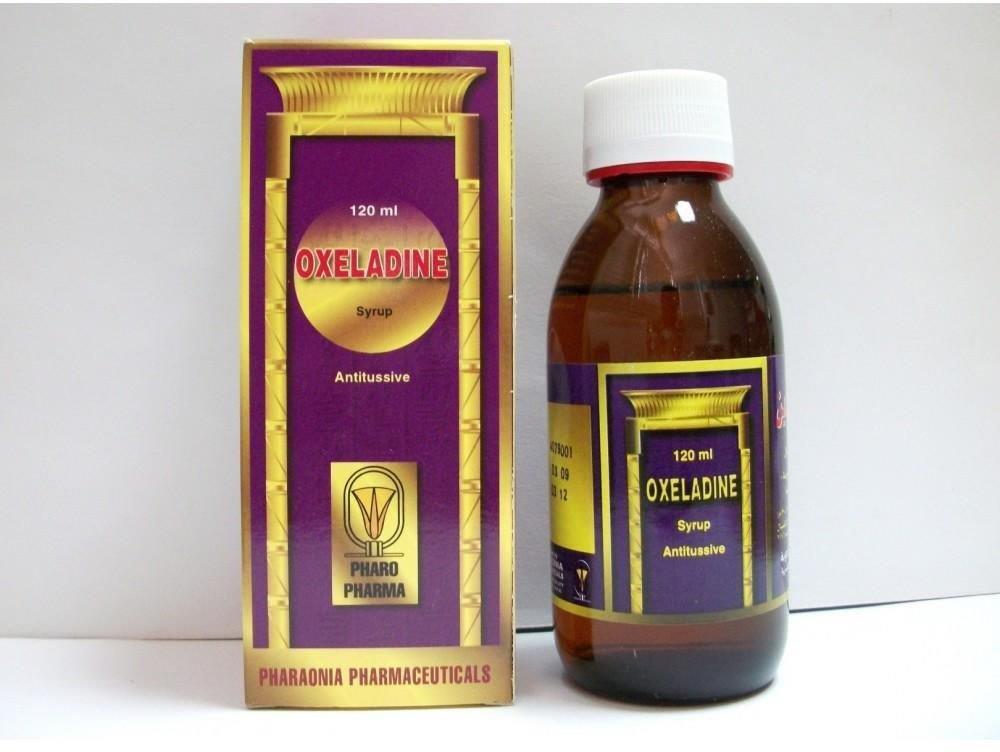
What is Oxeladine and what does it contain
Oxeladine is a cough medicine used to reduce dry, irritating cough. It is classified as an antitussive, meaning it helps suppress the cough reflex when coughing is not bringing up mucus. The product covered in this article is Oxeladine 2 mg/ml syrup 120 ml on Vezeeta.
Oxeladine is not an antibiotic, bronchodilator, antihistamine, steroid, or expectorant. It does not treat the cause of infection, allergy, asthma, reflux, or pneumonia, but it may help control an annoying dry cough while the underlying cause is assessed or treated.
| FeatureDetails | |
| Brand | Oxeladine |
| Active ingredient | Oxeladin |
| Strength discussed | 2 mg/ml, also expressed as 0.2% |
| Form | Oral syrup, 120 ml bottle |
| Main use | Relief of non-productive dry cough |
What is Oxeladine used for
Oxeladine is used for symptomatic relief of dry, non-productive cough. This means coughing that is irritating, repetitive, and not associated with significant mucus or phlegm. It may be considered in mild throat or bronchial irritation when a healthcare professional decides that cough suppression is suitable.
It should not be used as the only treatment when cough is caused by asthma, pneumonia, chronic obstructive pulmonary disease, heart failure, tuberculosis, or persistent post-viral airway inflammation unless a doctor has assessed the condition. If cough is associated with wheezing, shortness of breath, chest pain, fever, coughing blood, weight loss, or symptoms lasting several days, it is better to book a chest and respiratory specialist.
Oxeladine is generally more appropriate for dry cough than for wet cough. With heavy phlegm, suppressing cough may make mucus clearance harder. Such cases may need fluids, airway assessment, or a different medicine such as an expectorant or mucolytic.
Oxeladine dosage and how to use it
Use Oxeladine exactly as directed by your doctor or pharmacist, especially for children. For the Oxeladine 2 mg/ml syrup product in Egypt, a commonly listed dose is 5 ml by mouth three times daily. However, the correct dose can differ according to age, weight, symptom severity, and other medicines the patient uses.
Shake the bottle well if the leaflet instructs you to do so. Measure the dose with an oral syringe, dosing cup, or medicine spoon, not a kitchen spoon. Do not exceed the recommended frequency. If symptoms continue, worsen, or return repeatedly, do not keep increasing the dose; seek medical advice to identify the cause of cough.
Oxeladine syrup can generally be taken with or without food. If it causes stomach upset, taking it after food may be more comfortable. For children, avoid mixing the dose into a full bottle of milk or juice because the child may not finish the whole amount.
If you miss a dose, take it when remembered unless it is almost time for the next dose. If the next dose is near, skip the missed dose and continue the usual schedule. Do not double the dose to make up for a missed one.
How long does Oxeladine take to work
A precise onset time for Oxeladine is not consistently established in patient information. Some people may notice cough relief after early doses, but response depends on the cause of cough and airway irritation. If the cough is due to infection, asthma, allergy, sinus drainage, reflux, or smoking-related irritation, cough suppression alone may not be enough.
If dry cough continues for several days, becomes recurrent, or disturbs sleep despite treatment, medical review is recommended. Children, older adults, pregnant women, and patients with chronic lung or heart disease should be assessed earlier.
What are the side effects of Oxeladine
Oxeladine is usually tolerated when used at the recommended dose, but side effects can occur. Reported or possible side effects include:
- Dizziness or lightheadedness.
- Mild stomach upset, nausea, or digestive discomfort.
- Skin rash or itching.
- Unusual numbness or sedation-like feeling in some patients.
- Allergic reaction, which is uncommon but important.
Stop using the medicine and contact a healthcare professional if side effects are troublesome, unexpected, or worsening. Seek urgent medical help if cough is accompanied by difficulty breathing, blue lips, severe chest pain, coughing blood, persistent high fever, confusion, severe drowsiness, swelling of the face or throat, or a widespread rash.
Contraindications and precautions
Do not use Oxeladine if you have a known allergy to oxeladin or any ingredient in the syrup. Avoid self-treating infants or very young children unless a doctor specifically recommends it. Cough in young children can be caused by bronchiolitis, asthma-like wheeze, pneumonia, choking, or other causes that need examination.
Use caution if you have chronic cough related to smoking, asthma, emphysema, chronic bronchitis, or cough with excessive phlegm. Oxeladine may reduce the urge to cough but will not clear mucus or treat airway narrowing. People with liver disease, kidney disease, neurological symptoms, or multiple long-term medicines should ask a doctor or pharmacist before use.
Oxeladine drug interactions
Tell your doctor or pharmacist about all medicines you use, including cold and flu products. Extra caution is needed with medicines that contain monoamine oxidase inhibitors, known as MAOIs, and with other cough suppressants to avoid duplicate therapy. Alcohol, sedatives, sleeping pills, and medicines that cause dizziness may increase impairment in sensitive people.
Do not combine several cough syrups without advice. Many cold products contain multiple ingredients, and combining them can unintentionally increase the risk of side effects.
Oxeladine during pregnancy and breastfeeding
Oxeladine should not be used in pregnancy without medical advice. It is commonly avoided in the first months of pregnancy unless a doctor decides that the expected benefit is greater than the potential risk. Pregnant patients with persistent cough should be evaluated because cough may be due to infection, asthma, reflux, or another condition requiring different management.
During breastfeeding, safety data are limited. A doctor or pharmacist should review the infant’s age, the mother’s dose, and whether non-drug measures or another treatment would be more appropriate.
Can Oxeladine be taken every day and long term
Oxeladine is intended for short-term symptomatic relief of dry cough, not for long-term daily use without diagnosis. A cough that lasts more than a short period, repeatedly returns, or is associated with night waking, wheezing, fever, weight loss, or reflux symptoms needs medical evaluation.
Long-term use can delay diagnosis of the real cause of cough. If the cough is allergic, asthmatic, infectious, reflux-related, or medication-related, the correct treatment may be completely different from a cough suppressant.
What are the alternatives to Oxeladine
Alternatives depend on the type and cause of cough. Dry cough may sometimes be treated with another antitussive chosen by a doctor or pharmacist, such as dextromethorphan, butamirate, or levodropropizine, depending on availability and patient suitability. Productive cough may need fluids, saline nasal care, expectorants, or mucolytics rather than suppression.
Do not switch automatically between cough medicines, especially for children, pregnancy, chronic illness, or patients taking antidepressants or sedatives. The best alternative is chosen after identifying whether the cough is dry, allergic, infectious, asthmatic, reflux-related, or caused by postnasal drip.
Oxeladine price in Egypt
The price and availability of Oxeladine syrup in Egypt can change according to pharmacy stock, supplier updates, and official pricing changes. Check the current product page for Oxeladine 2 mg/ml syrup 120 ml on Vezeeta Pharmacy or ask a pharmacist before ordering. Avoid relying on old screenshots or outdated price lists.
Frequently asked questions
Is Oxeladine used for dry cough?
Yes. Oxeladine is mainly used for non-productive dry cough when suppressing the cough reflex is appropriate.
Does Oxeladine treat phlegm?
No. It is not an expectorant or mucolytic. If cough is wet or associated with heavy mucus, a different approach may be needed.
Is Oxeladine an antibiotic?
No. Oxeladine does not kill bacteria and does not treat chest infections by itself.
Can children take Oxeladine?
Children should take it only at an age-appropriate dose recommended by a doctor or pharmacist. Do not self-medicate very young children.
Does Oxeladine cause sleepiness?
It is not mainly marketed as a sleeping medicine, but dizziness or sedation-like feelings may occur in some people. Avoid driving if affected.
Can Oxeladine be used with other cough syrups?
Do not combine cough syrups without professional advice because many products contain overlapping ingredients.
Is Oxeladine suitable for asthma cough?
Asthma-related cough needs asthma assessment and controller or reliever therapy when indicated. Do not rely on Oxeladine alone for wheezing or breathlessness.
Can Oxeladine be used during the first trimester of pregnancy?
It is generally avoided unless a doctor specifically recommends it after assessing benefit and risk.
What should I do if Oxeladine does not work?
Do not increase the dose on your own. Seek medical advice to find the cause of cough.
What is Oxeladine 0.2% syrup?
Oxeladine 0.2% syrup is another way to describe Oxeladine 2 mg/ml oral syrup.
Medical disclaimer
The information in this article is provided for general health education and does not replace medical advice from a doctor or pharmacist. Do not start, stop, or change the dose of any medication without consulting a qualified healthcare professional.
Specialized Doctors

Abdelmonem Samy El Ramly
Consultant of Chest Diseases and Tuberculosis

Inas Badr
Consultant of chest diseases Head of department ,Abbassia specialized chest hospital.

Ahmed Salama Sadaka
Assistant Professor and Consultant of Chest Diseases - Alexandria University
Specialized Doctors
Abdelmonem Samy El Ramly
Consultant of Chest Diseases and Tuberculosis
Inas Badr
Consultant of chest diseases Head of department ,Abbassia specialized chest hospital.
Ahmed Salama Sadaka
Assistant Professor and Consultant of Chest Diseases - Alexandria University