

Ketolac 10 mg tablets: uses, side effects, precautions and price
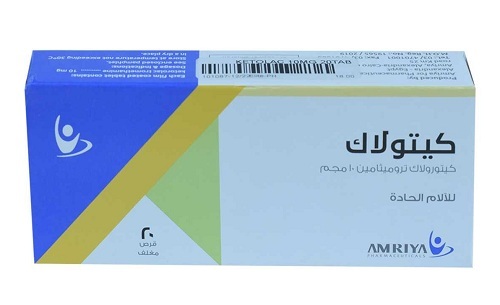
What is Ketolac and what does it contain
Ketolac is a pain-relieving medicine that contains ketorolac tromethamine. Ketolac 10 mg 20 tablets on Vezeeta is an NSAID, which means it reduces pain and inflammation by lowering prostaglandin production in the body.
People may search for it as Ketolac tablets, Ketolac injection, Ketolac ampoule, Ketolac strong painkiller, or Ketolac for toothache. These names usually refer to ketorolac in different forms. The 10 mg tablets are taken by mouth, while injections may be given intramuscularly or intravenously by a healthcare professional.
Difference between strengths/variants
Ketolac tablets and Ketolac injections should not be switched, combined or repeated without medical advice. In many ketorolac references, the oral tablet is described as a short-term option and may be used after injectable ketorolac when clinically needed. The exact form depends on the type of pain, the patient’s risk factors and the doctor’s assessment.
What is Ketolac used for
Ketolac is used for short-term relief of moderate to severe acute pain when a strong NSAID is appropriate. It may be prescribed after dental procedures, after some operations, for acute musculoskeletal pain, soft-tissue injury pain, severe inflammatory pain or acute gout-like attacks when the doctor decides it is suitable.
Ketolac can reduce pain temporarily, but it does not treat the cause of tooth decay, dental abscess, chronic arthritis or recurrent swelling. If joint pain or swelling keeps coming back, book a consultation with a rheumatology doctor through Vezeeta. You may also find this Vezeeta article about gout symptoms and treatment helpful.
Ketolac dosage and how to use it
Use Ketolac exactly as prescribed. Ketorolac is a short-course medicine; the combined duration of oral and injectable ketorolac should not exceed 5 days in adults. It is not intended for minor aches that can be managed with safer options, and it is not used as a daily medicine for chronic pain.
Swallow the tablet with a full glass of water and avoid lying down immediately after taking it. Do not take extra tablets if pain continues, because higher exposure increases the risk of serious side effects without guaranteeing better relief. If the pain persists, the cause should be reassessed rather than repeatedly increasing painkillers.
Before or after food
Ketolac may irritate the stomach. Taking it with food, milk or an antacid can reduce stomach discomfort. Avoid taking it with aspirin, ibuprofen, naproxen, diclofenac, celecoxib or other NSAIDs unless a doctor specifically tells you to.
Missed dose
Ketolac is usually used for short-term pain according to a prescription, not as a long-term scheduled medicine. If you miss a prescribed dose, follow your prescription instructions or ask your pharmacist. Do not double the next dose.
How long does Ketolac take to work
Ketolac tablets are absorbed after oral administration, and the strongest pain-relieving effect is generally reached within about 2 to 3 hours. Some people may feel improvement earlier, but the response depends on the pain cause and severity.
Ketolac injections may act faster in clinical practice, but they should be given only by a qualified healthcare professional. Severe, unexplained or worsening pain needs medical assessment.
What are the side effects of Ketolac
Common side effects may include stomach pain, indigestion, heartburn, nausea, vomiting, diarrhea, dizziness, headache, drowsiness and fluid retention. These effects are more likely with higher doses, prolonged use, dehydration, older age or use with interacting medicines.
Serious side effects can include stomach ulcer, gastrointestinal bleeding, intestinal perforation, kidney injury, severe allergic reaction, bronchospasm in sensitive patients, liver problems, serious skin reactions, raised blood pressure, fluid retention and increased risk of heart attack or stroke.
Urgent symptoms
Seek urgent medical help if you develop black stools, vomiting blood, severe stomach pain, chest pain, shortness of breath, weakness on one side of the body, swelling of the face or throat, severe rash, reduced urination, unusual bruising or sudden severe dizziness.
Contraindications and precautions
Do not use Ketolac if you are allergic to ketorolac, aspirin or other NSAIDs, or if you previously developed asthma, hives or a severe allergic reaction after an NSAID. This medicine is contraindicated in active peptic ulcer disease, recent gastrointestinal bleeding or perforation, a history of peptic ulcer or gastrointestinal bleeding, advanced kidney impairment, risk of kidney failure due to dehydration, high bleeding risk, suspected or confirmed brain bleeding, incomplete hemostasis and around coronary artery bypass graft surgery.
Ketolac must not be used as preventive pain relief before major surgery, during labor and delivery, or with probenecid, pentoxifylline, aspirin or other NSAIDs. Use with caution and medical supervision if you have high blood pressure, heart disease, liver disease, kidney problems, asthma, bleeding disorders or advanced age.
Important use-related clarification
Ketolac has no proven role in improving sexual performance. Searches about Ketolac and sex usually reflect a misconception. It is a painkiller, not a sexual stimulant.
Ketolac drug interactions
Important interactions include aspirin and other NSAIDs, which increase the risk of serious side effects. Warfarin, antiplatelet medicines, corticosteroids and SSRIs may increase bleeding risk. ACE inhibitors, ARBs and diuretics may have reduced effect and may increase kidney risk when combined with NSAIDs, especially in dehydration or older age.
NSAIDs may increase the toxicity risk of methotrexate and lithium. Probenecid and pentoxifylline are contraindicated with ketorolac. Tell your doctor or pharmacist about all medicines, supplements and herbal products before using Ketolac.
Ketolac during pregnancy and breastfeeding
Ketolac should not be used during pregnancy unless a doctor decides it is necessary. NSAIDs may affect fetal kidneys from around 20 weeks and may cause premature closure of the fetal ductus arteriosus from around 30 weeks. Ketolac is contraindicated during labor and delivery.
Small amounts of ketorolac may pass into breast milk. Breastfeeding women should not use Ketolac without medical advice, especially repeated doses or injections.
Can Ketolac be taken every day and long term
No. Ketolac is not for everyday long-term use. Total ketorolac treatment should not exceed 5 days in adults. Repeated use for chronic back pain, arthritis, toothache or headaches can hide a condition that needs treatment and can increase harm.
If you need pain relief often, consult a doctor to identify the cause and choose a safer plan. Persistent tooth pain needs dental care, recurrent joint swelling needs rheumatology assessment, and severe chest or abdominal pain needs urgent evaluation.
What are the alternatives to Ketolac
Alternatives depend on the cause and severity of pain. A doctor may recommend paracetamol, ibuprofen, naproxen, diclofenac, celecoxib, topical anti-inflammatory products, dental treatment, physical therapy, gout-specific medicines or other options. Some alternatives are also NSAIDs and may have similar risks, so do not switch without advice.
Ketolac price in Egypt
The price of Ketolac in Egypt may change according to availability and official pricing updates. You can check current availability and ordering details on Ketolac 10 mg 20 tablets on Vezeeta Pharmacy. Ketolac injection price may differ from tablets depending on concentration and stock.
Frequently asked questions
What is Ketolac?
Ketolac is a ketorolac-containing NSAID used for short-term relief of moderate to severe acute pain.
What are Ketolac tablets used for?
They are used for acute pain when a strong NSAID is suitable, such as dental, postoperative or inflammatory pain, according to medical advice.
Is Ketolac a strong painkiller?
Yes. It is a strong NSAID pain reliever, but its use must be short because safety risks are significant.
Is Ketolac good for toothache?
It may temporarily reduce dental pain, but it does not treat decay, abscess or gum disease.
When do Ketolac tablets start working?
The peak effect is usually within about 2 to 3 hours, although some relief may occur earlier.
Is Ketolac injection intramuscular or intravenous?
Ketorolac injection may be given IM or IV depending on the product and clinical decision, by a healthcare professional.
When does Ketolac injection start working?
It may act faster than tablets, but timing varies. Repeated injections should not be used without diagnosis.
What are the harms of Ketolac injection?
Possible harms include injection-site pain, dizziness, stomach bleeding, kidney problems, allergy and increased bleeding risk.
Does Ketolac affect sexual performance?
No proven benefit exists for sexual performance. It should not be used for this purpose.
Can children take Ketolac tablets?
Official ketorolac tablet information does not indicate use in pediatric patients below 17 years.
Medical disclaimer
This article is for medical education only and does not replace consultation with a doctor or pharmacist. Do not start, stop, or change any medicine based on this information alone. Seek urgent care for severe symptoms or suspected overdose.
Specialized Doctors

Ahmed Mabrouk
Consultant of Rheumatology

Abeer Hosny
Specialist in Rheumatism and Rehabilitation Health Insurance - Master in rheumatism and rehabilitation from kasr El Ainy

Ahmed Othman
Specialist and Assistant lecturer of Rheumatology and Joint Diseases at the Faculty of Medicine, Mansoura University
Specialized Doctors
Ahmed Mabrouk
Consultant of Rheumatology
Abeer Hosny
Specialist in Rheumatism and Rehabilitation Health Insurance - Master in rheumatism and rehabilitation from kasr El Ainy
Ahmed Othman
Specialist and Assistant lecturer of Rheumatology and Joint Diseases at the Faculty of Medicine, Mansoura University


