Is Dermapen Safe for Your Skin? A Comprehensive Guide to Benefits, Risks, and Expected Results
What Is Dermapen for Skin?
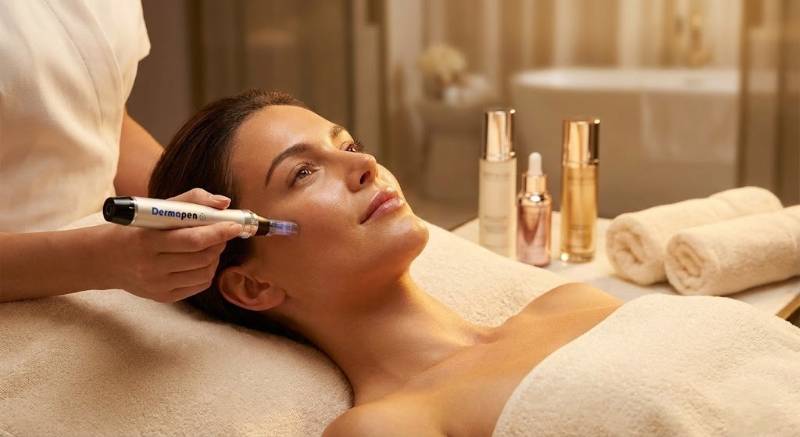
Dermapen is a small medical device that looks like a pen, with a tip containing a set of fine, sterilized needles. When moved across the skin, these needles rapidly move up and down, creating tiny channels in the upper layers of the skin.
These controlled micro-injuries are not meant to harm the skin but to “trick” the brain into sending immediate signals to start the repair process. During this process, collagen and elastin production increases—two key components responsible for the skin’s elasticity and youthful appearance.
Additionally, these small channels allow therapeutic serums to penetrate deeper and more effectively than regular topical application.
Key Benefits of Dermapen for Skin
Dermapen sessions provide multiple solutions for common skin concerns. The main benefits include:
Scar Treatment: Helps improve the appearance of acne scars and surgical scars by stimulating collagen production and promoting tissue regeneration.
Wrinkle Reduction: Reduces fine lines and mild wrinkles around the eyes and mouth by increasing skin thickness and elasticity.
Pore Minimization: Tightens the skin around pores, giving them a smaller, smoother appearance.
Even Skin Tone: Reduces pigmentation caused by sun exposure or old acne marks, resulting in a more uniform and radiant complexion.
Side Effects of Dermapen
Although beneficial, Dermapen may cause some side effects if not used properly, including:
Redness and Swelling: Normal and usually lasts 24–48 hours after the session.
Infection: Can occur if the needles are not sterilized or if the face is touched with unclean hands post-treatment.
Hyperpigmentation: Darkening of the skin may occur if exposed to direct sunlight without protection or if the skin is highly irritated.
Is Dermapen Safe During Pregnancy?
Doctors generally advise avoiding Dermapen during pregnancy. This is not because the needles pose a direct risk to the baby, but hormonal changes during pregnancy make the skin more prone to pigmentation and sensitivity. Also, the risk of infection or inflammation may require treatments that are not recommended during pregnancy.
How Long Do Dermapen Results Last?
The effects of Dermapen, in terms of collagen stimulation, last for several months after the session. The skin continues to renew and rebuild gradually. Results usually begin to appear within a few weeks and improve over time as collagen production increases.
For optimal and long-lasting results, a maintenance session every 6–12 months is recommended, depending on skin type and specialist advice.
What Can Be Used with Dermapen?
To achieve the best results, Dermapen is often combined with carefully selected therapeutic serums according to each skin’s needs. Key options include:
- Hyaluronic Acid: Provides deep, intense hydration by drawing water into the skin, giving a plumper, smoother appearance and reducing fine lines.
- Vitamin C: Ideal for treating pigmentation and dark spots, while brightening the skin and supporting collagen production.
- Platelet-Rich Plasma (PRP): Also known as “plasma injections,” extracted from the patient’s own blood, making it safe and effective. It accelerates healing and further stimulates collagen production for more noticeable results.
How Many Dermapen Sessions Are Needed?
The number of sessions depends on the goal:
- For general skin rejuvenation: 3 sessions may be sufficient.
- For deep scar treatment: 4–6 sessions, spaced one month apart, may be required.
Does Dermapen Cause Darkening of the Skin?
Dermapen usually does not cause skin darkening if post-care instructions are followed correctly. Temporary pigmentation or darkening may occur if the guidelines are ignored, especially since the skin is more sensitive in the first few days after the procedure.
Key post-care instructions include:
- Avoid direct sun exposure for at least two days after the session.
- Use a high SPF sunscreen (50+) and reapply regularly.
- Avoid chemical exfoliants or acidic products, such as fruit acids or retinol, for the period recommended by your specialist.
Darkening of the skin is not a natural side effect of Dermapen but is usually linked to neglecting post-care instructions.
Does Dermapen Brighten the Skin?
It’s common to wonder if Dermapen can lighten the skin. Medically, Dermapen does not change the skin’s natural color. Instead, it helps fade dark spots and even out skin tone by renewing surface layers of damaged cells. The result is a brighter, more radiant complexion, giving the impression of lighter skin.
Conclusion
Dermapen is a modern, effective technique for skin rejuvenation and improving appearance safely and naturally. By following proper post-care instructions and using suitable therapeutic serums, noticeable results can be achieved and maintained for a long time. Consulting a qualified specialist to design a personalized treatment plan is the most important step toward healthier, more radiant, and confident skin.
If you still need a medical consultation regarding Dermapen, you can easily book an appointment through Vezeeta.
Related Keywords


Specialized Doctors



References
https://www.healthline.com/health/microneedling
https://www.google.com/search?q=https://my.clevelandclinic.org/health/treatments/23270-microneedling
https://www.medicalnewstoday.com/articles/324138
https://www.google.com/search?q=https://www.mayoclinic.org/diseases-conditions/acne/expert-answers/microneedling/faq-20442681
https://www.webmd.com/beauty/what_is_microneedling
Specialized Doctors