How can the challenge of nail biting be addressed?
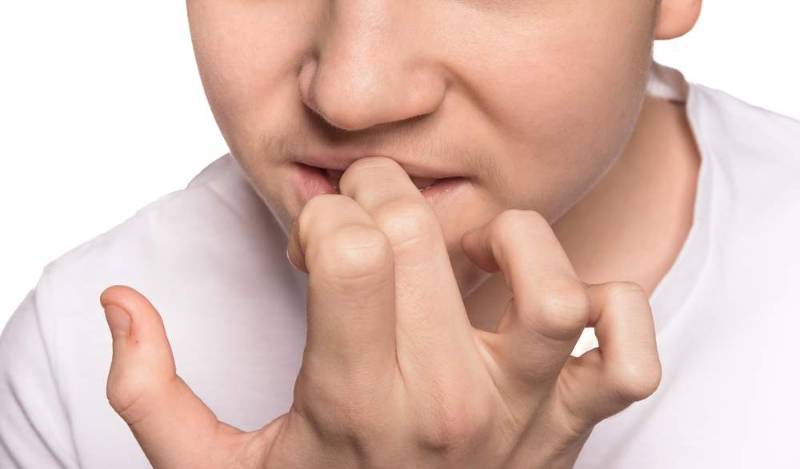
Many people habitually bite their nails or the surrounding skin repeatedly and involuntarily when experiencing stress and anxiety—leading to several physical and psychological symptoms. Fortunately, nail biting can be treated…
Why Do People Bite Their Nails?
Some people resort to nail biting as a coping mechanism to relieve stress, unaware of its negative consequences.
If you or someone you know bites their nails unconsciously, this article will help you understand the symptoms and risks of nail biting, its causes in children and teens, and how to overcome it.
What Is Nail Biting (Onychophagia)?
Nail biting is a common habit where individuals bite their nails and surrounding skin repeatedly and unintentionally. This leads to nail deformity and various other physical and mental health issues.
The habit often starts in early childhood but may persist into adulthood. Causes vary from person to person, so treatment must be tailored accordingly.
What are Symptoms of Nail Biting in Children?
Symptoms in children are generally similar to those in adults, though they may be more pronounced:
- Redness and soreness at the fingertips
- Bleeding around the nails
- Frequent hand-to-mouth infections
- Fungal nail infections
- Teeth erosion or misalignment
- Jaw pain
- Unsightly nail appearance
What are Causes of Nail Biting in Children and Adults?
Some researchers believe genetics play a role, with studies suggesting around 30% of individuals with nail biting habits have a family history of the behavior. Identical twins are also more prone than fraternal twins.
Psychological factors are major contributors. Nail biting may stem from:
- Shyness or social anxiety
- Stress and emotional tension
- Attempts to self-soothe or feel in control
It may also be linked to psychological or neurodevelopmental conditions, such as:
- ADHD
- Obsessive-compulsive disorder (OCD)
- Depression
- Tourette syndrome
- Oppositional defiant disorder
- Separation anxiety disorder
Some people bite their nails in an attempt to groom them or remove excess skin, but this can worsen the problem and deform the nails.
When Should You See a Doctor?
Not all cases require medical intervention. Home remedies may be sufficient for mild cases. However, seek medical advice if you notice:
- Nail discoloration
- Swelling around the nails
- Ingrown nails
- Fungal infections
- Nail detachment from the skin
- Lack of progress with home treatment
How to Stop Nail Biting?
Treatment varies by age and underlying cause. Success requires a genuine desire to quit, as the habit develops over time and may take time and willpower to break.
Some people respond well to home remedies, while others may require medical or psychological therapy.
What is the Treatment for Adults?
Adults are usually more aware of the consequences and social stigma of nail biting. Common approaches include:
- The same behavioral techniques used for children
- Cognitive Behavioral Therapy (CBT): Identifies underlying emotional triggers and teaches positive coping strategies
- Medication: For underlying conditions like ADHD, Tourette’s, ODD, or separation anxiety
- Relaxation techniques: Such as yoga, breathing exercises, and mindfulness
What is the Treatment for Children?
Helpful methods include:
- Regular nail trimming to remove tempting rough edges
- Applying bitter-tasting nail polish to discourage biting
- Covering nails with bandages, stickers, or gloves
- Maintaining consistent sleep and meal schedules to improve emotional regulation
- Identifying and addressing emotional or environmental triggers
- Engaging the child in hands-on activities like playdough or drawing
- Applying olive oil to soften nails and reduce biting satisfaction
- Using gradual behavior modification techniques
How to Stop Nail Biting Gradually in Children?
Because the habit develops over time, immediate cessation isn’t practical. Instead, try gradual techniques:
- Cover one finger with tape to prevent biting.
- Once the child stops biting that nail and it begins to grow, add tape to two more fingers.
- Continue until all nails are covered and the habit stops.
Children may resist during the final stages, so parents must be patient and offer distractions or rewards.
If behavioral strategies don’t work, psychological support may be necessary.
Final Thoughts
Overcoming nail biting takes time, patience, and determination. Don’t hesitate to seek support from family, friends, or a mental health professional to help break the habit and restore healthy, attractive nails.
If you still need to consult a doctor regarding this condition, you can easily book an appointment through Vezeeta
Related Keywords
Specialized Doctors

Eman Helal
Specialist Of Psychiatry And Addiction Treatment-Faculty Of Medicine-Tanta University

Mohammad Ali Gad
Psychiatry Specialist

Mohamed Elwasify
Consultant and Professor of Psychiatry_Faculty of Medicine Mansoura University
References
American Academy of Dermatology (AAD). (2023). Nail Biting: Causes and Treatments. Retrieved from https://www.aad.org/
Mayo Clinic. (2024). Nail Biting (Onychophagia). Retrieved from https://www.mayoclinic.org/
National Health Service (NHS). (2023). How to Stop Biting Your Nails. Retrieved from https://www.nhs.uk/
Cleveland Clinic. (2024). Nail Biting: Understanding the Habit and Solutions. Retrieved from https://my.clevelandclinic.org/
Psychology Today. (2023). Nail Biting and Behavioral Therapy. Retrieved from https://www.psychologytoday.com/
Specialized Doctors
Eman Helal
Specialist Of Psychiatry And Addiction Treatment-Faculty Of Medicine-Tanta University
Mohammad Ali Gad
Psychiatry Specialist
Mohamed Elwasify
Consultant and Professor of Psychiatry_Faculty of Medicine Mansoura University