How Can Tinea versicolor Be Treated at Home?
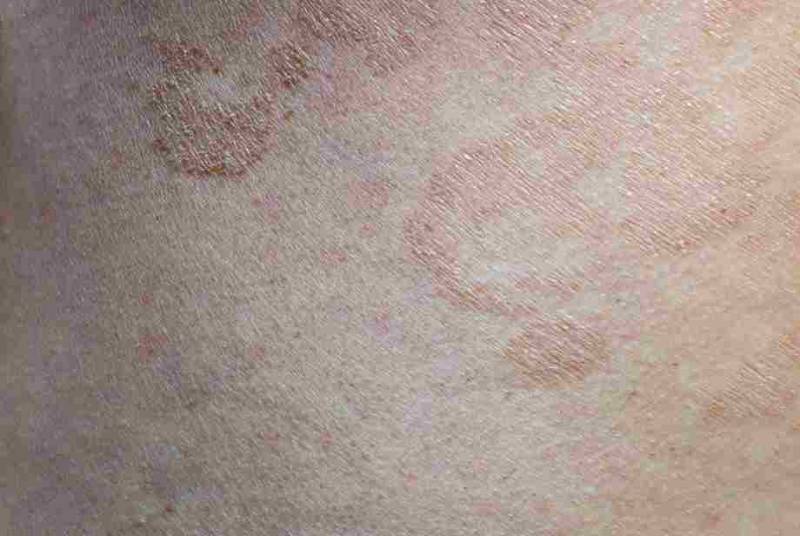
There’s nothing more beautiful than clear, even-toned skin. But when skin conditions like White Tinea develop, they can cause discomfort and concern. Also known as tinea versicolor, this condition results from several factors, which we will explore—along with its symptoms, treatment options, and ways to prevent it.
What Is Tinea versicolor?
Many people ask about the difference between white tinea and colored tinea, but in reality, they are two names for the same condition. It refers to the appearance of lighter patches on darker skin tones or darker patches on lighter skin. Patients may notice white, pink, red, or brown spots on the skin.
It is also known as tinea versicolor and is caused by the overgrowth of Malassezia fungus, a yeast that naturally lives on the skin. When this fungus grows excessively, it affects the skin and causes the characteristic patches.
Tinea versicolor is among the most common fungal skin infections, especially affecting the chest, shoulders, and back.
What are Symptoms of Tinea versicolor?
White tinea usually appears as circular patches in white, yellow, or red tones and commonly presents with mild symptoms, including:
- Itching in or around the affected areas
- Dry, flaky skin in the patches
- More noticeable under sunlight, since the affected skin doesn't tan like the surrounding area
- Excessive sweating
Notably, symptoms often improve in cooler weather but worsen in heat and humidity.
What are Causes of Tinea versicolor ?
The Malassezia fungus is part of the skin’s natural flora, but certain conditions may trigger its overgrowth, leading to infection:
- Weakened immune system (e.g., diabetes, cancer, or HIV)
- Excessive sweating
- Oily skin, which is more common during puberty and adolescence
- Hormonal changes (e.g., during pregnancy or puberty)
- Living in hot and humid climates
Is It the Same as Vitiligo?
Although vitiligo may appear similar to white tinea, they differ significantly:
- Vitiligo often affects the groin, fingers, wrists, armpits, mouth, and eyes
- Patches appear symmetrically
- Only pigmentation is lost; the skin texture remains unchanged
Is Tinea versicolor Contagious?
No, white tinea is not contagious. The fungus responsible lives naturally on the skin and becomes problematic only when certain factors trigger its overgrowth.
How Is Tinea Versicolor Diagnosed?
Diagnosis is often clinical, based on the distinctive appearance of the affected skin. If needed, the doctor may perform:
- Wood’s lamp examination (the affected area glows yellow or green under UV light)
- Microscopic examination of skin scrapings
- Skin biopsy to detect fungal elements
- Fungal culture to identify the exact species
What is the Treatment of Tinea versicolor?
Most cases respond well to topical antifungal treatments, while advanced cases may require systemic (oral) medications. Skin pigmentation may take months to return to normal after treatment.
Topical Antifungal Medications (for mild cases):
- Clotrimazole creams
- Selenium sulfide shampoos
- Miconazole creams
- Zinc pyrithione soaps
- Ketoconazole-based creams
Oral Antifungal Medications (for severe or widespread cases):
- Fluconazole
- Itraconazole
Home Management of Tinea versicolor
Some practical steps can help manage the condition:
- Use sunscreen with SPF 30 or higher
- Avoid oily skin products
- Apply antifungal shampoo for two consecutive days before sun exposure if needed
- Avoid excessive heat and direct sunlight
- Follow dosage and treatment plans prescribed by your doctor
- Wear loose-fitting, breathable cotton clothing
- Avoid herbal remedies unless approved by a physician, as they may worsen the condition
What are the Prevention Tips of Tinea versicolor ?
To prevent tinea versicolor:
- Minimize sweating and moisture
- Limit sun exposure
- Stay cool and dry
- Maintain good hygiene, especially in hot weather
What are the Possible Complications of Tinea versicolor?
White tinea doesn’t cause serious medical issues, but skin discoloration may persist for an extended period. Recurrence is also common—especially in warm climates—even if the symptoms clear up in cooler weather.
Conclusion
White tinea can affect various body parts but most commonly appears on oily areas like the back and chest, manifesting as white, pink, yellow, or brown spots. It is effectively treated with topical antifungal creams or oral medications in more severe cases. While not dangerous, it can be persistent and may recur—so treatment and prevention go hand in hand.
If you still need to consult a doctor regarding this condition, you can easily book an appointment through Vezeeta
Related Keywords
Specialized Doctors

Randa Sedek Abdellatif
Consultant of Allergy and Immunology, Faculty of Medicine, Zagazig University

Nissreen ElSayed ElBadawy
Consultant of Allergy and Immunology, Faculty of Medicine, Zagazig University

Amal Mohamed Habib
consultant of Allergy
References
Mayo Clinic. Tinea versicolor (pityriasis versicolor) – Symptoms and causes.
Retrieved from: https://www.mayoclinic.org/diseases-conditions/tinea-versicolor/symptoms-causes/syc-20350241
American Academy of Dermatology (AAD). Tinea versicolor: Overview.
Retrieved from: https://www.aad.org/public/diseases/a-z/tinea-versicolor
Centers for Disease Control and Prevention (CDC). Fungal skin infections – Tinea versicolor.
Retrieved from: https://www.cdc.gov/fungal/diseases/ringworm/tinea-versicolor.html
Gupta, A. K., et al. (2004). Diagnosis and management of tinea versicolor. Journal of the European Academy of Dermatology and Venereology, 18(5), 556–562.
Retrieved from: https://pubmed.ncbi.nlm.nih.gov/15236979/
Brasch, J., et al. (2010). Topical antifungal therapy for tinea versicolor. Clinical, Cosmetic and Investigational Dermatology, 3, 79–85.
Retrieved from: https://www.ncbi.nlm.nih.gov/pmc/articles/PMC2921749/
Specialized Doctors
Randa Sedek Abdellatif
Consultant of Allergy and Immunology, Faculty of Medicine, Zagazig University
Nissreen ElSayed ElBadawy
Consultant of Allergy and Immunology, Faculty of Medicine, Zagazig University
Amal Mohamed Habib
consultant of Allergy