Homosexuality: A Comprehensive Guide to Understanding Emotional and Sexual Attraction to the Same Sex
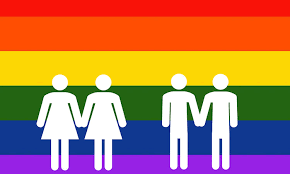
What Is Homosexuality?
Medically, homosexuality is defined as a persistent pattern of emotional, romantic, or sexual attraction toward individuals of the same sex. It is part of the broad spectrum of human sexual orientations, which also includes heterosexuality (attraction to the opposite sex) and bisexuality. Homosexuality is not limited to sexual behavior alone; it also encompasses personal identity and a sense of belonging to a group that shares similar orientations. Medical studies indicate that sexual orientation is typically formed early in life, with both biological and environmental factors playing complex roles that cannot be attributed to a single cause.
How Does the Brain of a Homosexual Person Work Differently?
Homosexuality is medically defined as a persistent pattern of emotional, romantic, or sexual attraction toward individuals of the same sex. It is part of the wide spectrum of human sexual orientations, including heterosexual and bisexual orientations. It is not limited to behavior but also involves identity and belonging. Research suggests that sexual orientation develops early in life, influenced by a complex interplay of biological and environmental factors rather than a single determining cause.
Is Homosexuality a Disease?
The World Health Organization and major medical associations have recognized for decades that homosexuality is neither a mental illness nor a psychological disorder. It was removed from diagnostic manuals of mental disorders (such as the DSM) after research showed that homosexual individuals do not experience impairments in cognitive, social, or mental functioning due to their orientation. The current medical perspective considers it a natural variation of human sexuality, and any psychological challenges individuals may face are often the result of social stigma and rejection, not the orientation itself.
Can Genetics Cause Homosexuality?
Research indicates that genetic factors may contribute to the development of sexual orientation. However, there is no single “gay gene.” Instead, it involves a complex interaction of multiple genes and hormonal influences.
Do All Homosexual Individuals Identify Themselves as Such?
Not necessarily. Not everyone with same-sex attractions openly—or even internally—identifies themselves within a specific label. Many people go through a process known as identity exploration, where they may experience certain attractions without assigning them a defined category. Cultural, social, and upbringing factors play a significant role in how individuals perceive and define their orientation. Some may choose to maintain a heterosexual identity despite internal feelings, while others prefer not to use labels at all, making self-identification a deeply personal process that varies from one individual to another.
Are Sexual Orientations Always Fixed Throughout Life?
Recent research introduces the concept of sexual fluidity, suggesting that orientation may not be strictly fixed for everyone over time. While many individuals experience stable orientations from adolescence through old age, others may notice changes in the intensity or direction of their attraction due to life experiences. Science shows that sexual orientation exists on a continuum, and minor changes or self-rediscovery later in life are medically documented and reflect natural human development rather than disorder.
Can Medications Change Sexual Orientation?
There is no medically approved drug or chemical substance that can change a person’s sexual orientation. Orientation is not caused by a chemical imbalance that can be corrected or by hormones that can simply be adjusted.
In the past, attempts were made using hormonal treatments (such as testosterone), but these only increased sexual drive toward the same original orientation without changing its direction. Global health organizations confirm that attempting to alter sexual orientation through medication is unscientific and may lead to serious physical and psychological side effects.
Is It Always Obvious If Someone Is Homosexual?
No. There are no definitive external traits or behaviors that can reliably indicate a person’s sexual orientation. People express themselves in diverse ways, and orientation cannot be accurately determined based on appearance, voice, or mannerisms.
The Role of Psychotherapy in Homosexuality
Psychotherapy can be helpful, depending on its purpose. When the goal is emotional support, it can be highly beneficial. It helps individuals better understand themselves without judgment and cope with anxiety, depression, or social pressures related to their identity. It can also reduce internal conflict between personal feelings and societal expectations, while providing healthy coping tools such as managing negative thoughts, setting boundaries in relationships, and building self-confidence. Ultimately, this supports greater psychological balance and self-acceptance.
Conclusion
Science shows that homosexuality is a natural aspect of human biological and psychological diversity, not a medical condition that requires correction or change. Understanding the scientific facts about how the brain works and how orientations develop can help individuals overcome internal conflicts and fears rooted in misconceptions. Consulting trusted mental health professionals remains one of the best ways to achieve psychological balance and live peacefully with oneself, free from societal pressure.
If you still need to consult a doctor regarding this topic, you can easily book an appointment through Vezeeta.
Related Keywords



References
World Health Organization (WHO) – Classification of sexual health & homosexuality
https://www.paho.org/en/news/15-5-2015-lgbt-health-sees-progress-and-challenges-15-years-after-homosexuality-ceased-being
World Medical Association (WMA) – Homosexuality as a natural variation of sexuality
https://www.wma.net/policies-post/wma-statement-on-natural-variations-of-human-sexuality/
American Psychological Association (APA) – Official information on sexual orientation
https://www.apa.org/topics/lgbtq/orientation
American Psychiatric Association – Removal of homosexuality from mental disorders
https://www.history.com/this-day-in-history/the-american-psychiatric-association-removes-homosexuality-from-its-list-of-mental-illnesses
Mayo Clinic – Health information related to homosexual men
https://www.mayoclinic.org/ar/healthy-lifestyle/adult-health/in-depth/health-issues-for-gay-men/art-20047107