

Ezogast 40 mg Capsules: Uses, Side Effects, Price and Alternatives
What is Ezogast and what does it contain
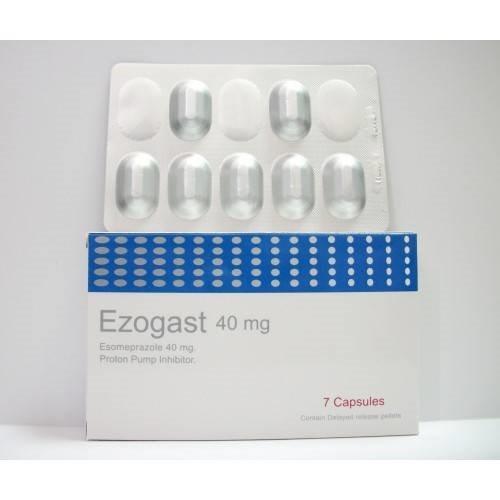
Ezogast is an acid-reducing medicine. The Vezeeta Pharmacy listing is Ezogast 40 mg, 7 capsules. Its active ingredient is esomeprazole, a proton pump inhibitor, or PPI. PPIs lower acid secretion by blocking the final acid-producing pump in the stomach lining.
People may search for it as Ezogast 40, Ezogast 40 mg, ايزوجاست 40, ايزوجاست ٤٠, or برشام ايزوجاست 40. Although “tablet” is sometimes used in search terms, this product is supplied as capsules. The 40 mg strength describes the amount of esomeprazole in each capsule.
Difference between Ezogast strengths
Ezogast may also be available as a 20 mg strength. The 20 mg and 40 mg strengths should not be switched without medical advice. The doctor chooses the suitable strength according to the diagnosis, symptom severity, response to treatment, other medicines, liver function, and whether treatment is short term or part of ongoing reflux management.
What is Ezogast used for
Ezogast 40 mg may be prescribed for gastroesophageal reflux disease, frequent heartburn due to reflux, erosive esophagitis, and selected stomach or duodenal ulcer plans. It may also be used with antibiotics as part of an H. pylori treatment regimen. Ezogast reduces acid, but it does not eradicate H. pylori when taken alone.
This medicine is not a painkiller, digestive enzyme, antibiotic, or immediate antacid. Severe chest pain, pain spreading to the arm or jaw, vomiting blood, black stools, unexplained weight loss, persistent vomiting, or difficulty swallowing needs urgent medical assessment. If reflux symptoms keep returning, book a gastroenterology and endoscopy specialist through Vezeeta.
Ezogast dosage and how to use it
The treating doctor determines the appropriate dose based on the diagnosis, response to treatment, other medicines, and the patient's clinical condition. Do not change the dose, repeat treatment courses, or use Ezogast long term without medical review.
For recurrent reflux or long-term acid-related disease, the doctor also decides the treatment duration and whether the plan should continue, change, or stop. If symptoms are frequent or you need a medication review, you can use Vezeeta telehealth for adult gastroenterology and endoscopy so a specialist can assess the dose, duration, and need for further tests.
Before or after food
Ezogast is usually taken before food, often before a main meal, because PPIs work best when acid pumps are activated by eating. Swallow the capsule with water. Do not crush, chew, or open delayed-release capsules unless your doctor or pharmacist confirms that this is safe for the exact product.
Missed dose
If you miss a dose, follow your prescription instructions or ask your pharmacist. In general, do not take two doses together to compensate for a missed capsule. If missed doses happen often, ask your doctor how to simplify the schedule safely.
How long does Ezogast take to work
Some people notice heartburn improvement within the first few days, but healing inflammation in the esophagus or ulcer-related irritation can take longer. Lack of instant relief does not always mean the medicine has failed.
Ezogast lowers acid production rather than neutralizing acid already present, so it is not the fastest option for sudden occasional heartburn. If symptoms are severe, persistent, or associated with alarm signs, medical review is needed.
What are the side effects of Ezogast
Common side effects of esomeprazole may include headache, nausea, abdominal pain, diarrhea, constipation, gas, dry mouth, or dizziness. These effects are often mild, but persistent or troublesome symptoms should be discussed with a healthcare professional.
Less common but important risks include severe diarrhea due to intestinal infection, low magnesium during prolonged use, vitamin B12 deficiency with long-term therapy, kidney inflammation, allergic reactions, lupus-like skin reactions, and a higher fracture risk in vulnerable patients using PPIs for long periods.
Urgent symptoms
Seek urgent medical help if you develop swelling of the face or throat, difficulty breathing, severe rash, chest pain, black stools, vomiting blood, severe persistent diarrhea, muscle spasms, seizures, irregular heartbeat, blood in urine, or noticeably reduced urination.
Contraindications and precautions
Do not use Ezogast if you are allergic to esomeprazole, any component of the product, or similar PPIs such as omeprazole, pantoprazole, lansoprazole, or rabeprazole. PPIs must not be used with rilpivirine-containing HIV medicines unless the prescriber changes the regimen.
Use Ezogast only after medical assessment if you have severe liver disease, kidney disease, osteoporosis or low bone density, low magnesium, lupus, recurrent unexplained stomach symptoms, or need treatment beyond a short period. Heartburn can sometimes mimic heart disease, so chest pain with sweating, dizziness, jaw pain, or arm pain needs emergency care.
Ezogast drug interactions
Ezogast can interact with medicines affected by stomach acidity or liver metabolism. Important examples include clopidogrel, warfarin, digoxin, methotrexate, tacrolimus, diazepam, some antifungals such as ketoconazole or itraconazole, iron salts, atazanavir, nelfinavir, and rilpivirine-containing products. Rifampin and St John’s wort may reduce esomeprazole effect.
Before using Ezogast, give your doctor or pharmacist a full list of prescription medicines, over-the-counter medicines, supplements, and herbal products.
Ezogast during pregnancy and breastfeeding
During pregnancy, esomeprazole should be used only when clearly needed and when the expected benefit outweighs potential risks. Pregnant patients should not repeatedly self-medicate for heartburn without medical advice, especially if symptoms are severe or recurrent.
During breastfeeding, ask a doctor before using Ezogast. The decision depends on the mother’s need for treatment, the infant’s age and health, available alternatives, and the expected duration of therapy.
Can Ezogast be taken every day and long term
Ezogast may be taken daily when prescribed, but daily long-term use should be reviewed by a doctor. Unnecessary prolonged PPI use may increase the chance of low magnesium, vitamin B12 deficiency, intestinal infections, kidney problems, and bone-related concerns in susceptible people.
The treating doctor determines whether treatment should continue, change, or stop. For recurring symptoms, book a gastroenterologist in Egypt through Vezeeta to assess the cause and treatment plan.
What are the alternatives to Ezogast
Alternatives depend on the reason for use. They may include other esomeprazole brands, other PPIs such as omeprazole, pantoprazole, lansoprazole, or rabeprazole, H2 blockers such as famotidine, or simple antacids for occasional mild symptoms.
The best alternative to Ezogast 40 mg is not always another 40 mg PPI. Choice depends on diagnosis, previous response, pregnancy or breastfeeding status, interactions, and whether H. pylori testing or endoscopy is needed.
Ezogast price in Egypt
The price of Ezogast 40 mg in Egypt may change according to availability, pharmacy updates, pack size, and delivery area. For the current strip or pack price, check the verified Ezogast 40 mg page on Vezeeta Pharmacy.
Frequently asked questions
What are the uses of Ezogast?
Ezogast is used for acid reflux, heartburn, erosive esophagitis, and some ulcer-related plans. It may also be part of H. pylori treatment with antibiotics.
When should Ezogast be taken?
It is usually taken before food, commonly before a main meal. Follow the timing written on your prescription.
Is Ezogast 40 taken before or after food?
Ezogast 40 is generally taken before food because PPIs work best when taken before a meal.
What is the price of Ezogast strip?
The price may change. Check Vezeeta Pharmacy for the current Ezogast 40 mg price and availability.
What are Ezogast side effects?
Possible side effects include headache, nausea, abdominal pain, diarrhea, constipation, gas, dry mouth, and dizziness. Serious symptoms need medical attention.
What are alternatives to Ezogast 40 mg?
Alternatives may include other esomeprazole brands, other PPIs, famotidine, or antacids, depending on the condition.
Is Ezogast the same as esomeprazole?
Ezogast contains esomeprazole as the active ingredient.
Can Ezogast be used for H. pylori?
It may be used as part of H. pylori treatment, but only with the antibiotics prescribed by a doctor.
Can Ezogast help sudden acidity?
It may reduce acid-related symptoms, but it is not the fastest immediate antacid for sudden occasional heartburn.
Can children use Ezogast 40?
Children should use esomeprazole only under medical supervision. The 40 mg strength is not suitable for every child.
Can Ezogast cause diarrhea?
Yes. Severe, watery, bloody, or persistent diarrhea needs medical review.
Can I take Ezogast with painkillers?
Ask a doctor or pharmacist first. Some painkillers can irritate the stomach or interact with your treatment plan.
What should I do if I take too much Ezogast?
Contact a doctor, pharmacist, or emergency service, especially if symptoms appear or another medicine was taken at the same time.
Medical disclaimer
This article is for medical information only and does not replace consultation with a doctor or pharmacist. Do not use, stop, or change any medicine based on this content alone. Always follow your healthcare professional’s instructions and seek urgent care for severe or alarming symptoms.
Specialized Doctors

Mirella Sherif naseef
-Consultant of hepatogastroentrology faculty of medicine-elkasr Alainy,MD of hepatogastroentrology and infectious disease - cairo university, member of the royal college of physiscians-London.

Gamal Mansour
Specialist in internal diseases, gastroenterology,digestive system and liver diseases- Kasr Al-Aini - Cairo University

khaled El Hamaky
Gastro and Internal Medicine Specialist
Specialized Doctors
Mirella Sherif naseef
-Consultant of hepatogastroentrology faculty of medicine-elkasr Alainy,MD of hepatogastroentrology and infectious disease - cairo university, member of the royal college of physiscians-London.
Gamal Mansour
Specialist in internal diseases, gastroenterology,digestive system and liver diseases- Kasr Al-Aini - Cairo University
khaled El Hamaky
Gastro and Internal Medicine Specialist


