

Epizithro 500 mg: uses, dosage, side effects, and price
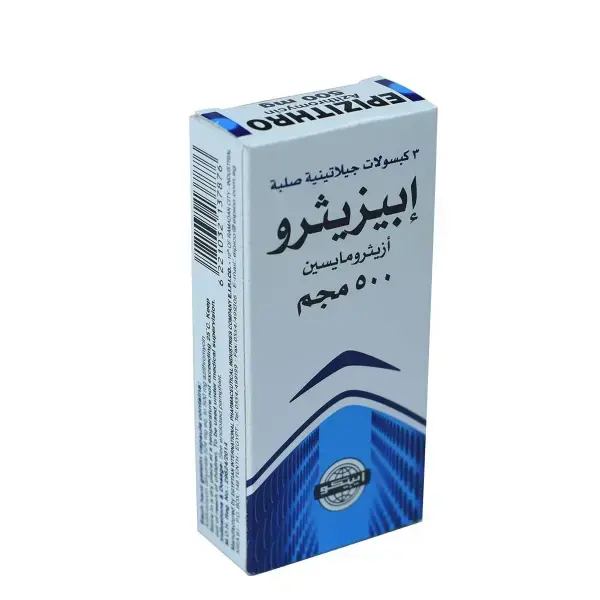
What is Epizithro 500 and what does it contain
Epizithro 500 mg is an antibacterial medicine containing azithromycin as the active ingredient. Azithromycin belongs to the macrolide antibiotic class, which helps stop susceptible bacteria from growing. It is not a painkiller, fever reducer, or general cold medicine.
The verified local medicine page is Epizithro 500 mg on Vezeeta Pharmacy. The page lists azithromycin as the active ingredient and shows the product as Epizithro 500 mg - 3 tablets. Some users search for it as Epizithro 500, Epizithro tablets, or ابيزيثرو 500.
Other azithromycin forms may include suspension or syrup for children. Do not replace one form with another, or give an adult 500 mg tablet to a child, unless a doctor or pharmacist confirms that it is appropriate.
What is Epizithro 500 used for
Doctors may prescribe Epizithro 500 for mild to moderate infections caused by bacteria that are likely to respond to azithromycin. These may include community-acquired respiratory infections, certain bronchitis flare-ups, pneumonia in suitable cases, bacterial sinusitis, throat or tonsil infections, ear infections, uncomplicated skin infections, and some sexually transmitted infections such as chlamydia.
A cough, sore throat, blocked nose, or fever does not always mean that an antibiotic is needed. Most colds are viral, and Epizithro does not kill viruses. If you have persistent cough, chest pain, wheezing, shortness of breath, recurrent fever, or repeated respiratory infections, you can book a chest and respiratory consultation on Vezeeta for proper assessment.
For dental infections, azithromycin may sometimes be chosen by a dentist, but it does not treat tooth decay or drain an abscess. Dental treatment may still be required.
Epizithro 500 dosage and how to use it
Take Epizithro exactly as prescribed. The doctor chooses the dose and treatment duration according to the infection type, severity, age, weight, medical history, allergy history, and other medicines. Do not use another person’s prescription or repeat an old antibiotic course without medical advice.
Swallow the tablet with water. Complete the prescribed course unless your doctor tells you otherwise. Stopping too early may allow the infection to return and may contribute to antibiotic resistance.
Before or after food
Immediate-release azithromycin tablets can generally be taken with or without food. If stomach upset occurs, taking Epizithro after a light meal may help. Do not take it at the same time as antacids containing aluminum or magnesium; ask your pharmacist about the correct interval.
Missed dose
If you miss a dose, take it when you remember unless it is almost time for the next one. Do not double the dose.
How long does Epizithro 500 take to work
Some people feel better within a few days after starting azithromycin if the bacteria are sensitive and the diagnosis is correct. Fever, throat pain, cough, or discharge may take longer to improve depending on the infection site.
Contact your doctor if symptoms get worse, do not improve, or return soon after finishing treatment. You may need reassessment, tests, or a different treatment.
What are the side effects of Epizithro 500
Common side effects are usually digestive, such as diarrhea, nausea, vomiting, abdominal pain, indigestion, and loss of appetite. Headache, dizziness, tiredness, rash, itching, changes in taste, or fungal infections such as oral or vaginal thrush may also occur.
Seek urgent medical help for breathing difficulty, swelling of the face or throat, severe rash, blistering or peeling skin, fainting, fast or irregular heartbeat, severe or bloody diarrhea, severe abdominal pain, yellowing of the skin or eyes, dark urine, unusual bruising, hearing changes, or worsening muscle weakness in people with myasthenia gravis.
Contraindications and precautions
Do not use Epizithro if you are allergic to azithromycin, erythromycin, clarithromycin, telithromycin, or other macrolide or ketolide antibiotics. Azithromycin is contraindicated if you previously developed cholestatic jaundice or liver dysfunction related to azithromycin.
Medical assessment is required before using Epizithro if you have liver disease, kidney disease, heart rhythm problems, long QT syndrome, low potassium or magnesium, slow heartbeat, heart failure, myasthenia gravis, or a history of severe antibiotic-associated diarrhea.
Epizithro should be used only when bacterial infection is proven or strongly suspected.
Epizithro 500 drug interactions
Tell your doctor and pharmacist about all medicines and supplements you use. Important interactions may involve warfarin and other blood thinners, digoxin, cyclosporine, colchicine, nelfinavir, ergotamine or dihydroergotamine, antiarrhythmic medicines, medicines that prolong the QT interval, some statins, and aluminum- or magnesium-containing antacids.
Do not combine medicines during the course without checking first, especially if you have heart disease or take several long-term medicines.
Epizithro 500 during pregnancy and breastfeeding
If you are pregnant, planning pregnancy, or breastfeeding, use Epizithro only after medical assessment. Azithromycin may be used in selected infections during pregnancy, but self-medication is not appropriate.
Azithromycin can pass into breast milk. Breastfeeding mothers should ask a doctor before treatment and monitor the baby for diarrhea, rash, feeding problems, or unusual irritability.
Can Epizithro 500 be taken every day and long term
Epizithro is usually prescribed as a short course for a specific bacterial infection. It should not be taken daily for long periods unless a specialist has a clear reason and monitoring plan.
Repeated or unnecessary use may increase antibiotic resistance, fungal infections, diarrhea, and heart rhythm risk in susceptible people. The treating doctor determines whether treatment should continue, change, or stop.
What are the alternatives to Epizithro 500
Alternatives depend on the infection, likely bacteria, allergy history, pregnancy status, local resistance patterns, and previous antibiotic use. A doctor may choose another azithromycin brand or a different antibiotic such as clarithromycin, amoxicillin-clavulanate, amoxicillin, cefuroxime, doxycycline, or another option when suitable.
Do not switch antibiotics because of price or availability without medical advice.
Epizithro 500 price in Egypt
The price of Epizithro 500 in Egypt may change according to availability, official price updates, and pharmacy offers. Check the live Epizithro 500 product page on Vezeeta Pharmacy before ordering.
Frequently asked questions
What is Epizithro 500?
It is an antibiotic containing azithromycin 500 mg, used for selected bacterial infections when prescribed.
What are the uses of Epizithro?
It may be used for some respiratory, throat, sinus, ear, skin, and sexually transmitted bacterial infections.
Is Epizithro 500 useful for colds?
No. Most colds are viral, and azithromycin does not treat viruses.
Can Epizithro 500 be used for teeth?
It may be prescribed for certain dental bacterial infections, but it does not replace dental treatment.
Is Epizithro 500 taken before or after food?
It can usually be taken with or without food. Taking it after food may reduce stomach upset.
What is the dose of Epizithro 500?
The doctor determines the dose and duration according to the infection and patient factors.
Can children take Epizithro?
Children may use suitable azithromycin forms when prescribed. Adult 500 mg tablets should not be given without medical instruction.
What is Epizithro syrup used for?
It is a pediatric-friendly azithromycin form for selected bacterial infections under medical supervision.
What are the side effects of Epizithro?
Common effects include diarrhea, nausea, vomiting, stomach pain, and headache. Severe allergy, liver symptoms, or irregular heartbeat need urgent care.
Can pregnant women take Epizithro 500?
Pregnant women should use it only when a doctor decides it is appropriate.
What is the alternative to Epizithro 500?
The alternative depends on the infection and patient history. A doctor may choose another azithromycin brand or a different antibiotic.
How much is Epizithro 500?
The price may change. Check the current price and availability on Vezeeta Pharmacy.
Medical disclaimer
This article is for general medical information only and does not replace consultation with a qualified doctor or pharmacist. Do not use antibiotics without a prescription, and seek urgent medical care for severe symptoms, allergic reactions, breathing difficulty, or worsening infection.
Specialized Doctors



References
- https://www.vezeeta.com/en-eg/pharmacy/epizithro-500-mg-3-tablets
- https://www.drugs.com/azithromycin.html
- https://www.drugs.com/pro/azithromycin-tablets.html
- https://www.drugs.com/sfx/azithromycin-side-effects.html
Specialized Doctors


