Does your child get jaundice after certain foods? Discover Favism symptoms and treatment
What Is Favism?
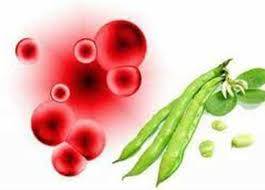
Favism, medically known as Glucose-6-phosphate dehydrogenase deficiency, is a genetic condition caused by a deficiency of the G6PD enzyme, which is essential for protecting red blood cells. Without enough of this enzyme, red blood cells become fragile and may suddenly break down when the body is exposed to certain triggers, such as specific foods, medications, or infections. This rapid breakdown can lead to temporary hemolytic anemia.
When Do Favism Symptoms Appear?
Symptoms do not occur all the time; they usually appear after exposure to a direct trigger that causes red blood cell destruction. Symptoms may start within hours or a few days after eating fava beans, inhaling fava bean pollen, or taking restricted medications. In many cases, symptoms first appear during early childhood, especially when a child begins eating solid foods.
How Do I Know If My Child Has Favism?
You can watch for signs of hemolysis after your child is exposed to a trigger. Common symptoms include:
- Sudden paleness of the skin
- Yellowing of the skin and eyes (jaundice)
- Dark or tea-colored urine
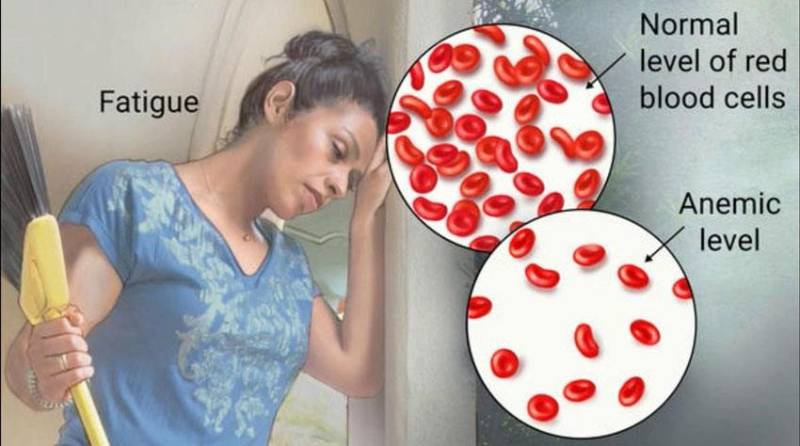
Children may also experience severe fatigue, weakness with minimal effort, rapid heartbeat, and shortness of breath due to reduced oxygen levels in the body.
Favism Symptoms in Newborns
In some cases, Favism can be detected very early during the first days after birth. Symptoms usually appear as severe and prolonged jaundice that lasts longer than the common newborn jaundice. This happens because the infant’s liver cannot handle the increased bilirubin produced from the rapid breakdown of weak red blood cells.
Foods to Avoid for Patients With Favism
Dietary prevention is essential for protecting patients with Favism. Fava beans—both fresh and dried—must be completely avoided, along with foods made from them, such as falafel. Some medical guidelines also recommend avoiding other legumes, including lentils, chickpeas, soybeans, and peas in severe cases as a precaution against sudden hemolysis.
What Causes Favism in Children?
Favism is a fully inherited genetic disorder passed from parents to children through a mutation on the X chromosome. Since males have only one X chromosome, they are more likely to develop noticeable symptoms if they inherit the affected gene. Females are often carriers of the condition without severe symptoms, except in rare cases.
Favism Test
This condition is diagnosed through a simple blood test that measures the activity level of the G6PD enzyme in red blood cells. Doctors usually recommend performing the test when the child is not experiencing an acute hemolytic episode, as newly produced blood cells after an attack may contain misleading enzyme levels that appear normal.
Can Favism Be Treated?
There is no permanent cure for Favism because it is a genetic condition. However, the disease can be fully managed and symptoms prevented by avoiding trigger foods and medications. In severe hemolytic attacks causing serious anemia, hospital treatment may include blood transfusions and intravenous fluids.
Which Antibiotics Should Be Avoided?
Certain medications can be dangerous for patients with Favism, especially some antibiotics. Sulfa-containing antibiotics such as cotrimoxazole should be avoided, along with some antimalarial drugs and nitrofurantoin, which is commonly used to treat urinary tract infections. Parents should always inform doctors about the child’s condition before any medication is prescribed.
Is Favism Dangerous?
Favism is not usually dangerous or life-threatening under normal circumstances, and most patients live completely normal lives. The main risk comes from ignoring medical advice and consuming restricted foods or medications, which may trigger a severe hemolytic crisis requiring urgent medical care.
Conclusion
Favism occurs due to a deficiency of the G6PD enzyme. Symptoms usually appear after exposure to certain medications or legume-based foods, especially fava beans. The severity of symptoms varies from one person to another, and treatment depends on the severity of the condition and the patient’s age.
If you still need medical advice regarding this condition, you can book an appointment easily through Vezeeta.
Related Keywords





References
- https://pmc.ncbi.nlm.nih.gov/articles/PMC9013287/
- https://www.sciencedirect.com/topics/medicine-and-dentistry/favism
- https://emedicine.medscape.com/article/200390-treatment
- https://www.britannica.com/science/favism