Do You Have Skin Tags in the Intimate Area? They Might Be Genital Warts!
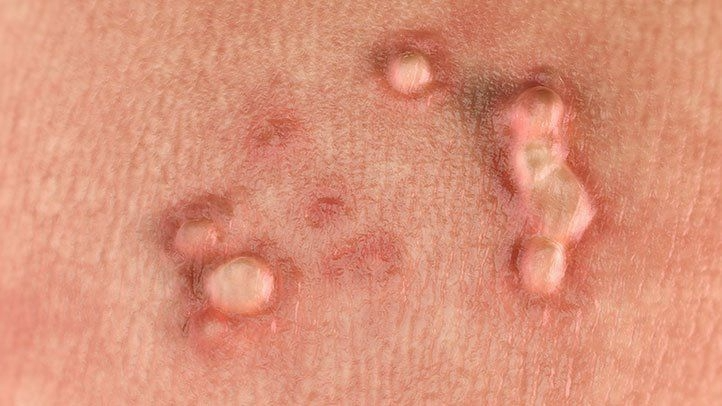
Genital warts are among the most common sexually transmitted infections (STIs) worldwide. They appear as skin growths in the genital or anal area and are caused by certain strains of the human papillomavirus (HPV). While these warts are generally not dangerous, they can cause both physical discomfort and psychological distress, and may impact the sexual life of the affected individual. In this article, we’ll explore their causes, symptoms, available treatment options, and how to prevent infection.
What Are Genital Warts?
Genital warts are abnormal skin growths that appear in the genital or anal areas, most commonly transmitted through sexual contact. They can be small or large, single or multiple, flat or raised, and sometimes cluster in a cauliflower-like shape.
What Causes Genital Warts?
The primary cause of genital warts is HPV, particularly types 6 and 11.
The virus can be transmitted through:
- Direct sexual contact (vaginal, oral, or anal)
- Skin-to-skin contact with an infected area during intimacy
- Sharing personal items (rare)
- From mother to baby during childbirth (rare)
What Are the Symptoms of Genital Warts?
- Appearance of soft or rough skin-colored growths in the genital area
- Usually painless, but in some cases may cause:
- Itching or irritation
- Light bleeding after friction
- Discomfort during intercourse
Sometimes, especially in women, symptoms may not be noticeable—highlighting the importance of regular check-ups.
Where Do Genital Warts Appear?
In women:
- On the vulva or labia
- Inside the vagina
- On the cervix
- Around the anus
In men:
- On the penis or scrotum
- On the thighs
- Around the anus
How Are Genital Warts Diagnosed?
- Clinical examination by a dermatologist or gynecologist
- Pap smear test to detect HPV-related changes in the cervix
- HPV DNA testing to identify the virus type
What Are the Treatment Options for Genital Warts?
There is no cure for the virus itself, but the warts can be removed, and the risk of transmission can be reduced.
1. Topical Treatments
- Medications like Imiquimod or Podophyllin, as prescribed by a doctor
2. Cryotherapy
- Freezing the warts with liquid nitrogen
3. Electrocautery or Laser Therapy
- Burning or vaporizing warts using medical devices
4. Surgical Removal
- Excision of large or persistent warts
How to Prevent Genital Warts?
- HPV vaccination (e.g., Gardasil), especially before becoming sexually active
- Using condoms to reduce (but not eliminate) the risk of transmission
- Avoiding multiple sexual partners
- Routine screenings, especially for women (Pap smear)
Are Genital Warts Dangerous?
In most cases, genital warts are not dangerous.
However, some HPV types may lead to complications such as:
- Cervical cancer
- Anal or penile cancer
- Pregnancy and delivery issues
Emotional & Medical Support Matters
Having genital warts can be emotionally distressing, but it does not mean the end of a healthy sexual or personal life. Speaking to a medical professional and receiving appropriate treatment can help control the condition and prevent complications.
Conclusion
Genital warts are a common condition but are treatable and preventable. Early detection, awareness, and proper treatment are key to maintaining both sexual and general health.
If you still need to consult a doctor regarding this condition, you can easily book an appointment through Vezeeta
Related Keywords



References
Centers for Disease Control and Prevention (CDC)
Information on genital warts, causes, symptoms, and treatment.
Website: https://www.cdc.gov/std/hpv/stdfact-hpv.htm
Mayo Clinic – Genital Warts
Overview of causes, symptoms, diagnosis, and treatments for genital warts.
Website: https://www.mayoclinic.org/diseases-conditions/genital-warts/symptoms-causes/syc-20355298
National Health Service (NHS) UK
Details on genital warts and how to prevent and treat them.
Website: https://www.nhs.uk/conditions/genital-warts/
UpToDate – Genital Warts
Clinical resource covering diagnosis and management of genital warts.
Website: https://www.uptodate.com/contents/genital-warts
World Health Organization (WHO) – Human Papillomavirus (HPV)
Facts and figures about HPV and related conditions including genital warts.
Website: https://www.who.int/news-room/fact-sheets/detail/human-papillomavirus-(hpv)-and-cervical-cancer
Journal Article: "Genital warts: epidemiology, pathogenesis, and management"
American Journal of Clinical Dermatology, 2019; Volume 20, Issue 5, Pages 671-678.
DOI: 10.1007/s40257-019-00463-7