

Diclac 75 mg Ampoules: Uses, Side Effects, Warnings and Price
What is Diclac and what does it contain
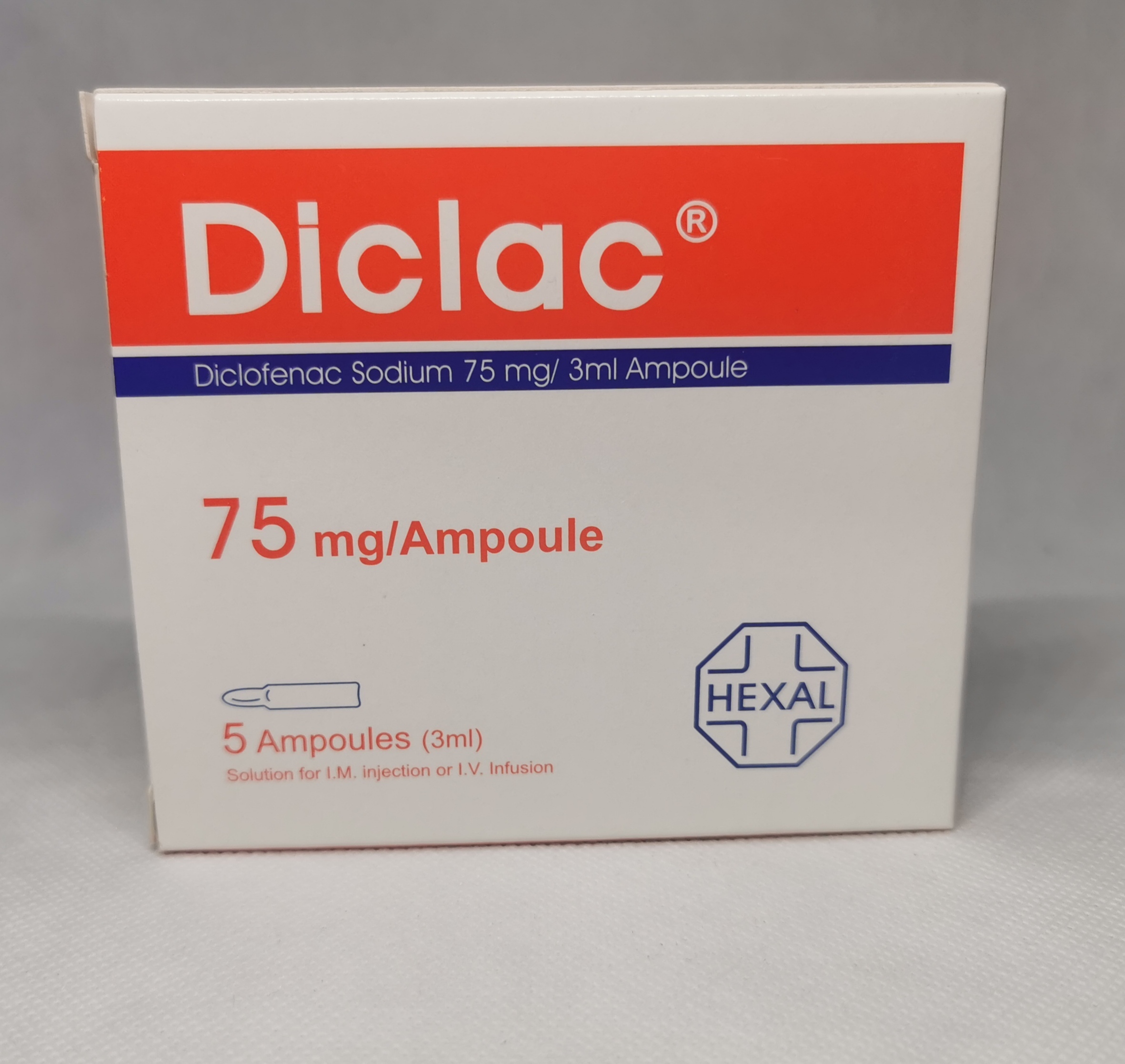
Diclac 75 mg/3 ml 5 ampoules contains diclofenac sodium, a nonsteroidal anti-inflammatory drug (NSAID). It reduces pain, swelling and fever by lowering prostaglandin production.
Diclac is not an antibiotic or opioid. Although effective, it is not suitable for everyone because diclofenac can irritate the stomach, increase bleeding risk, raise blood pressure, worsen fluid retention, and affect the kidneys, liver or heart in susceptible people.
Diclac 75, Diclac 75 ID and Diclac 150
This article covers Diclac 75 mg/3 ml ampoules. Searches for Diclac 75 tablets, Diclac 75 ID or Diclac 150 may refer to other diclofenac forms with different release patterns. Do not switch between injections, regular tablets and modified-release tablets without medical advice.
What is Diclac used for
Diclac is used for short-term relief of pain and inflammation. It may be prescribed for acute musculoskeletal pain, low back pain, sprains, dental pain, painful periods, migraine attacks, gout flares, and symptoms of osteoarthritis, rheumatoid arthritis and ankylosing spondylitis. It may also reduce fever, but it should not be used just to hide an unexplained fever.
Diclac relieves symptoms but does not cure arthritis or gout. If joint pain keeps coming back, is linked to swelling or morning stiffness, or requires repeated painkillers, book a rheumatologist on Vezeeta. You can also read about rheumatoid arthritis symptoms and treatment to know when specialist care is needed.
Diclac dosage and how to use it
The treating doctor determines the appropriate Diclac form, dose and duration based on the diagnosis, pain severity, age, stomach risk, kidney and liver function, heart history and other medicines. Do not increase the dose, combine several diclofenac products, or repeat injections on your own.
Diclac ampoules should be given by a healthcare professional. Incorrect injection technique may cause severe local pain, irritation or tissue injury. Oral Diclac tablets should be swallowed as prescribed, and modified-release tablets should not be crushed unless a pharmacist confirms that the specific product allows it.
If you need Diclac beyond a short course, the doctor should reassess the cause of pain and decide whether treatment should continue, change or stop. For long-lasting joint or inflammatory pain, a Vezeeta rheumatology consultation can help determine the safest plan and monitoring.
Before or after food
Oral Diclac is usually taken with or after food or milk to reduce stomach irritation. Food may delay the onset slightly but can improve tolerability. Injections are not related to meals, but tell your doctor if you have a history of ulcer, bleeding, reflux, anemia or blood thinner use.
Missed dose
If Diclac was prescribed on a schedule and you miss a dose, follow the prescription label or ask your pharmacist. Do not double doses to make up for a missed dose.
How long does Diclac take to work
Diclac injection may work faster than tablets because tablets must be absorbed first. Some people feel relief within the first hour, but timing varies with the form, food intake, pain cause and individual response.
Do not take extra Diclac if pain is severe or slow to improve. Seek urgent care if pain comes with chest pain, shortness of breath, sudden weakness, facial drooping, black stools, vomiting blood, severe abdominal pain, throat or facial swelling, fainting or a blistering rash.
What are the side effects of Diclac
Possible side effects include stomach pain, indigestion, heartburn, nausea, vomiting, diarrhea, constipation, gas, dizziness, headache, drowsiness, sweating, itching, rash, ringing in the ears, injection-site pain and mild fluid retention. Diclofenac may also raise blood pressure or worsen swelling.
Serious side effects include stomach ulcer or bleeding, intestinal perforation, severe allergy, asthma attack in NSAID-sensitive patients, liver injury, kidney injury, serious skin reactions, heart attack, stroke and worsening heart failure. Risk is higher in older adults and in people with previous ulcers, kidney disease, cardiovascular disease, smoking, alcohol use, or medicines that increase bleeding risk.
Urgent symptoms
Get urgent care if you develop chest pain, sudden weakness, slurred speech, severe breathlessness, black or bloody stool, vomiting blood, severe stomach pain, yellow skin or eyes, very low urine, sudden swelling, blistering rash, wheezing or fainting.
Contraindications and precautions
Do not use Diclac if you are allergic to diclofenac, aspirin or another NSAID, or if aspirin or an NSAID previously caused asthma, hives or a severe allergic reaction. Diclac is contraindicated for pain around coronary artery bypass graft surgery. Do not use it in the third trimester of pregnancy.
Do not use Diclac with active gastrointestinal bleeding. Medical assessment is required if you have previous recurrent ulcer bleeding, kidney disease, liver disease, recent heart attack, heart failure, uncontrolled high blood pressure, asthma, anemia, dehydration, inflammatory bowel disease, diabetes, high cholesterol, smoking history, or if you are elderly. Some diclofenac brands are not suitable for children; pediatric use must be decided by a doctor.
Diclac drug interactions
Tell your doctor or pharmacist about all medicines before using Diclac. Do not combine it with other NSAIDs such as ibuprofen, naproxen, ketoprofen or pain-relief doses of aspirin unless a doctor specifically instructs you.
Bleeding risk may increase with warfarin, apixaban, rivaroxaban, clopidogrel, aspirin, corticosteroids, SSRIs and SNRIs. Kidney or blood pressure problems may increase with ACE inhibitors, ARBs and diuretics. Diclofenac may also interact with lithium, methotrexate, digoxin, cyclosporine, tacrolimus, pemetrexed and some antifungal medicines. Alcohol can worsen stomach bleeding risk.
Diclac during pregnancy and breastfeeding
Diclac must not be used in the third trimester of pregnancy. NSAIDs from around 20 weeks of pregnancy may affect fetal kidney function and amniotic fluid, so use during pregnancy requires a clear medical decision and careful risk assessment.
Breastfeeding mothers should ask a doctor before using Diclac. Diclofenac may pass into breast milk in low amounts, and the safest choice depends on the baby’s age, maternal dose, treatment duration and available alternatives.
Can Diclac be taken every day and long term
Diclac is generally safest for the shortest necessary time. Daily or long-term use increases the risk of stomach bleeding, kidney injury, higher blood pressure, fluid retention, liver problems and cardiovascular events. People who need frequent pain relief should not keep repeating Diclac without reassessment.
The treating doctor decides whether treatment should continue, change or stop. Chronic arthritis often needs more than painkillers alone, so consult a Vezeeta rheumatologist if symptoms persist.
What are the alternatives to Diclac
Alternatives depend on the cause of pain and the patient’s risk factors. Options may include paracetamol, topical diclofenac, another NSAID, celecoxib, physical therapy, local injections, or disease-specific treatment for gout and inflammatory arthritis. They are not automatically safer for everyone, because stomach, kidney, heart and pregnancy factors still matter.
Diclac price in Egypt
Diclac prices may change with availability, pharmacy updates and pack type. Check the latest availability for Diclac 75 mg/3 ml ampoules on Vezeeta Pharmacy. Searches for Diclac 150 price or Diclac 75 strip price may refer to different forms, so compare the exact strength and pack before ordering.
Frequently asked questions
What is Diclac?
Diclac is a diclofenac sodium NSAID used to reduce pain and inflammation.
What are the uses of Diclac?
It may be used for back pain, joint pain, dental pain, menstrual pain, migraine attacks, gout flares and rheumatic inflammation after assessment.
Is Diclac 150 a strong painkiller?
It can be effective for inflammatory pain, but Diclac 150 should only be used in the form prescribed by a doctor.
When does Diclac start working?
Some people notice improvement within the first hour, but onset varies by form and individual response.
When does Diclac 150 start working?
If it is a modified-release oral form, it may start more gradually than an injection. Follow the prescribed product instructions.
Does Diclac cause drowsiness?
It can cause drowsiness or dizziness in some people. Avoid driving or operating machinery if you feel sleepy or lightheaded.
Is Diclac good for toothache?
It may temporarily relieve dental pain, but toothache still needs dental assessment to treat the cause.
What are the harms of Diclac 75?
Possible harms include stomach irritation or bleeding, kidney or liver problems, allergy, swelling and cardiovascular risk.
What are the harms of Diclac 150?
The same diclofenac risks apply, and risk may be higher with greater exposure or longer use.
What is the danger of Diclac?
The main dangers are serious stomach bleeding, severe allergy, kidney injury, liver injury, heart attack or stroke in high-risk patients.
Can Diclac be taken with ibuprofen?
No. Do not combine diclofenac with ibuprofen or other NSAIDs unless a doctor specifically instructs you.
Is Diclac an antibiotic?
No. It relieves pain and inflammation but does not kill bacteria or treat an infection.
Medical disclaimer
This article is for medical education only and is not a substitute for diagnosis, prescription, or follow-up with a licensed healthcare professional. Do not start, stop, or change any medicine based on this content. Always consult your doctor or pharmacist, especially if you are pregnant, breastfeeding, elderly, have chronic disease, or take other medicines.
Specialized Doctors



References
- https://www.vezeeta.com/en-eg/pharmacy/diclac-75-mg-3-ml-5-ampoule
- https://www.drugs.com/diclofenac.html
- https://www.drugs.com/cons/diclofenac-intravenous.html
- https://www.drugs.com/pregnancy/diclofenac.html
- https://www.drugs.com/breastfeeding/diclofenac.html
- https://www.drugs.com/pro/diclofenac-tablets.html
Specialized Doctors


