Chickenpox: Its Distinctive Symptoms and When to Worry?
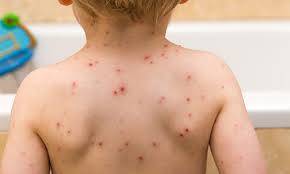
No need to worry anymore about chickenpox—thanks to medical advances and a variety of treatments, both children and adults can recover quickly and safely with proper care, whether through home remedies or antiviral medications.
What are Treatment Options for Chickenpox?
Chickenpox is a common viral illness, especially in children, and there are effective treatment options available for different age groups and health conditions. This guide covers everything you need to know, from symptoms and causes to medical and home treatments.
What is Chickenpox?
Chickenpox is a contagious infection caused by the varicella-zoster virus. It appears as an itchy rash with fluid-filled blisters and is often accompanied by fever and general discomfort.
What Causes Chickenpox?
- Varicella-Zoster Virus
- Transmitted through respiratory droplets or direct contact with fluid from blisters.
- Weakened Immunity
- Unvaccinated individuals and those with low immunity are more susceptible.
What are Common Symptoms of Chickenpox?
- Fever
- Headache and body aches
- Rash that starts on the face or chest
- Fluid-filled blisters that crust over
- Intense itching
- Loss of appetite and fatigue
Can the Symptoms Be Mild?
Yes, children who have been vaccinated may experience a milder form of the illness with fewer spots and less severe symptoms.
What are Home Remedies for Chickenpox?
- Plenty of Rest
- Essential to help the body fight off the virus.
- Fever Relief
- Use medications like paracetamol (avoid aspirin due to the risk of Reye’s syndrome).
- Reduce Itching
- Apply calamine lotion
- Take oatmeal baths
- Trim fingernails to prevent scratching
- Hydration
- Drink lots of fluids to prevent dehydration.
- Wear Soft Cotton Clothing
- To avoid skin irritation.
What are the Medical Treatments for Chickenpox?
- Antiviral Medications (e.g., Acyclovir)
- Recommended for moderate to severe cases, especially if taken early in the illness.
- Antihistamines
- To relieve itching and rash.
- Seek Medical Advice If:
- The patient is an adult
- A pregnant woman
- A newborn
- Has a weakened immune system
Is Chickenpox Contagious?
Yes—highly. The infection spreads 1–2 days before the rash appears and until all the blisters have dried out.
How to Prevent Chickenpox?
- Vaccination
- The most effective prevention method.
- Isolate the Infected Person
- Keep away from unvaccinated individuals until the rash fully heals.
- Maintain Personal Hygiene
- Clean and disinfect personal items and clothing.
Can You Get Chickenpox Twice?
It’s rare. Most people gain lifelong immunity after recovery. However, the virus remains dormant and can reactivate later as shingles (herpes zoster).
Conclusion
Chickenpox is a common illness but is manageable and preventable with proper care and vaccination. Don’t ignore the symptoms—consult a doctor if complications arise or in high-risk cases. With rest and attention, recovery is usually quick and complete.
If you still need to consult a doctor regarding this condition, you can easily book an appointment through Vezeeta
Related Keywords
Specialized Doctors



References
Centers for Disease Control and Prevention (CDC). Chickenpox (Varicella): About Chickenpox. Available at: https://www.cdc.gov/chickenpox/about/index.html
Mayo Clinic. Chickenpox – Symptoms and Causes. Available at: https://www.mayoclinic.org/diseases-conditions/chickenpox/symptoms-causes
World Health Organization (WHO). Varicella and Herpes Zoster Vaccines. Available at: https://www.who.int/news-room/fact-sheets/detail/varicella-and-herpes-zoster-vaccines
National Health Service (NHS). Chickenpox. Available at: https://www.nhs.uk/conditions/chickenpox
MedlinePlus. Chickenpox. Available at: https://medlineplus.gov/chickenpox.html
Specialized Doctors