Cervical Cancer: Detect It Early, Save Your Life! A Comprehensive Guide to Prevention and Treatment
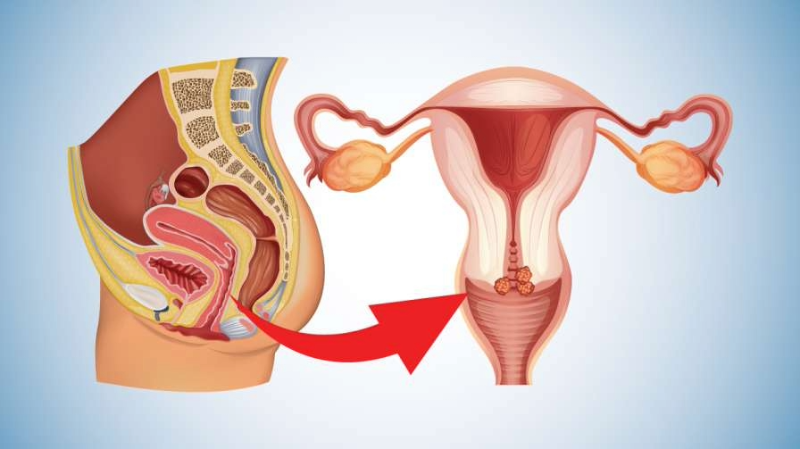
Cervical cancer is a serious but highly preventable disease that affects thousands of women worldwide each year. It develops in the cells of the cervix—the lower part of the uterus that connects to the vagina. Thanks to modern screening methods and the HPV vaccine, the chances of early detection and prevention have significantly improved. Understanding the risk factors, recognizing symptoms early, and knowing the available treatment options can make a crucial difference in outcomes. In this article, we’ll explore everything you need to know about cervical cancer—from causes to prevention and treatment.
What Is Cervical Cancer?
Cervical cancer occurs when abnormal cells in the cervix begin to grow uncontrollably. If left untreated, these cells can spread to other parts of the body. The primary cause of cervical cancer is persistent infection with certain types of human papillomavirus (HPV), a common sexually transmitted infection.
What are Causes and Risk Factors of Cervical Cancer?
The main cause of cervical cancer is infection with high-risk HPV types, particularly HPV-16 and HPV-18. However, several other risk factors can increase a woman’s likelihood of developing the disease, including:
- Early sexual activity or multiple sexual partners
- A weakened immune system
- Smoking
- Long-term use of oral contraceptives
- Lack of regular Pap smears or HPV screening
What are Symptoms of Cervical Cancer?
In its early stages, cervical cancer may not cause noticeable symptoms. As the disease progresses, common symptoms may include:
- Abnormal vaginal bleeding (between periods, after intercourse, or after menopause)
- Unusual vaginal discharge
- Pelvic pain or pain during intercourse
If you experience any of these symptoms, it’s important to consult a healthcare provider promptly.
How to Prevent Cervical Cancer?
Prevention is key when it comes to cervical cancer. Here are the most effective ways to lower your risk:
- HPV Vaccination: Recommended for girls and boys starting from age 9 up to 26 years (and sometimes older), the HPV vaccine can prevent infection with the most dangerous HPV types.
- Regular Screening: Pap smears and HPV tests help detect precancerous changes early, increasing the chance of successful treatment.
- Safe Sexual Practices: Using protection and limiting the number of sexual partners can reduce the risk of HPV infection.
- Quit Smoking: Tobacco use is associated with a higher risk of cervical cancer.
How is Cervical Cancer Diagnosed?
Cervical cancer is usually diagnosed through a combination of the following:
- Pap Smear: Detects abnormal cervical cells.
- HPV Test: Identifies the presence of high-risk HPV strains.
- Colposcopy and Biopsy: If screening results are abnormal, a closer examination and tissue sample may be required.
What are Treatment Options for Cervical Cancer?
Treatment depends on the stage of cancer, the patient’s age, and overall health. Common options include:
- Surgery: Removing abnormal tissue or the cervix/uterus in more advanced cases.
- Radiation Therapy: Targets and kills cancer cells using high-energy rays.
- Chemotherapy: Involves powerful drugs to destroy cancer cells.
- Targeted Therapy or Immunotherapy: Used in advanced or recurrent cases to help the immune system fight cancer cells more effectively.
Is Living with Cervical Cancer easy ?
A cervical cancer diagnosis can be emotionally and physically challenging. Support from healthcare professionals, family, and support groups can play a significant role in recovery and quality of life. Early detection offers the best chance of full recovery, and many women go on to live healthy, cancer-free lives after treatment.
Conclusion
Cervical cancer is a preventable and treatable disease—especially when detected early. By staying informed, keeping up with regular screenings, and considering the HPV vaccine, women can significantly reduce their risk. If you experience any unusual symptoms or have concerns, don’t hesitate to speak with your doctor.
If you still need to consult a doctor regarding this condition, you can easily book an appointment through Vezeeta
Related Keywords



References
American Cancer Society (ACS)
Comprehensive information on cervical cancer symptoms, causes, prevention, and treatment.
Website: https://www.cancer.org/cancer/cervical-cancer.html
Centers for Disease Control and Prevention (CDC)
Cervical cancer facts, screening guidelines, and vaccination information.
Website: https://www.cdc.gov/cancer/cervical/
National Cancer Institute (NCI)
Detailed guide on cervical cancer diagnosis, staging, and treatment options.
Website: https://www.cancer.gov/types/cervical
World Health Organization (WHO)
Global cervical cancer facts, prevention strategies, and vaccination programs.
Website: https://www.who.int/health-topics/cervical-cancer
UpToDate – Cervical Cancer
Clinical resource on epidemiology, diagnosis, and management.
Website: https://www.uptodate.com/contents/cervical-cancer
Journal Article: "Cervical cancer: epidemiology, prevention, and treatment"
The Lancet, 2020; Volume 395, Issue 10224, Pages 1640-1652.
DOI: 10.1016/S0140-6736(20)30108-7